Papillon as an Emotional Support Dog
Register Any Breed
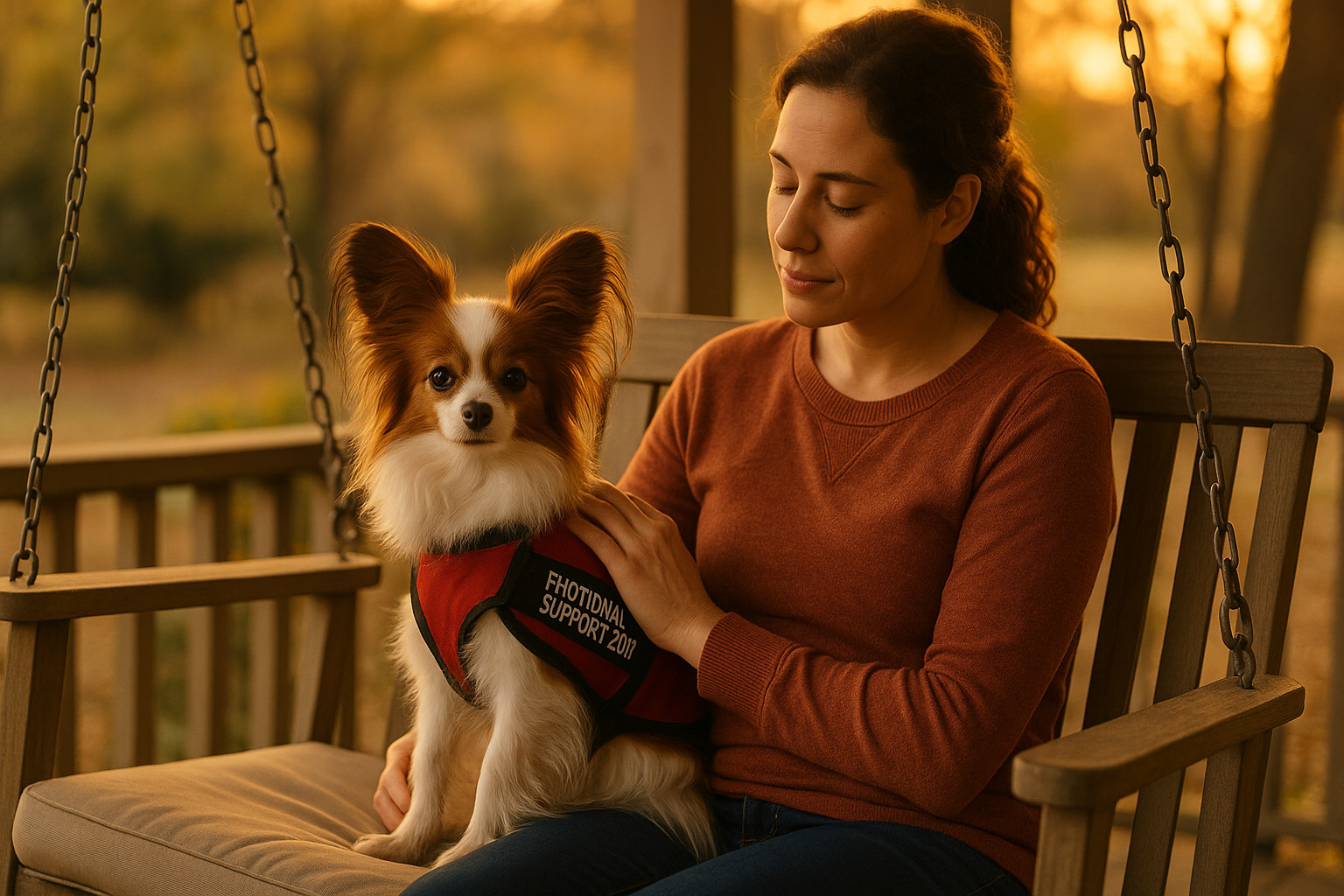
The appeal of Papillons as emotional support animals (ESAs) is on the rise, thanks to their ability to bond closely with humans and their inherent sensitivity to emotions. This comprehensive guide will explore how Papillons excel in the role of an emotional support dog, focusing on their temperament, adaptability, and the environments in which they thrive, making them ideal companions for emotional wellbeing.
Understanding the Emotional Support Role
Emotional support animals provide comfort, companionship, and emotional stability to those facing mental health challenges. Unlike service dogs, ESAs are not required to perform specific tasks but instead offer psychological benefits through their presence and interaction.
Papillon Overview
Papillons are small, elegant dogs with a distinctive appearance, known for their alert, friendly nature. Their size and manageable weight make them particularly suited for individuals needing close companionship without the physical demands that larger dog breeds might require.
- Size: Small (5 to 10 pounds)
- Energy Level: Moderate; enjoys playtime and mental stimulation
- Lifespan: 12 to 16 years
Temperament and Emotional Connection
Papillons are renowned for their affectionate and eager-to-please nature, which allows them to form strong emotional bonds with their owners. Their intelligence and curiosity enable them to pick up on emotional cues efficiently, ensuring they provide comfort when needed the most.
- Affectionate Relationships: Papillons thrive on human interaction, often serving as delightful companions who enjoy snuggling and being near their owners.
- Sensitivity and Responsiveness: Their ability to read moods and behaviors makes them excellent at offering support during times of anxiety or stress.
Adaptability and Daily Behavior
Papillons excel in adapting to various living situations, largely due to their small size and moderate energy levels. This adaptability makes them an excellent choice for different environments and lifestyles.
- Apartment Living: Their small size makes them well-suited for apartment life, providing emotional support while fitting comfortably in limited spaces.
- Daily Exercise Needs: Though energetic, their exercise needs are moderate, typically met with indoor play and daily walks.
- Routine and Comfort: Establishing a routine helps enhance the Papillon's sense of stability, providing reassurance to their owners.
Situations Where Papillon Provides Strong Support
Papillons shine in specific scenarios where their emotional intelligence and companionship significantly help alleviate stress or loneliness.
- Companionship for Seniors: Their gentle nature and small size make them perfect companions for the elderly, providing comfort and companionship.
- Support During Transitions: They are ideal for individuals going through major life changes, offering unwavering support and a calming presence.
- Alleviating Anxiety: Quick to pick up on nervous energy, they provide comfort in situations that might otherwise feel overwhelming.
Ideal Living Environments
Papillons thrive in environments where they have constant access to their owners, as they bond closely and rely on interaction for emotional balance.
Register Any Breed
- Family Homes: They do well with families where members can provide attention and affection.
- Assisted Living: Papillons can adapt well to assisted living facilities, offering companionship to residents and mitigating feelings of isolation.
- Quiet Suburban Areas: Low-traffic neighborhoods suit them as they enjoy calm strolls and safe outdoor play.
Bonds with Different Types of People
Papillons extend their emotional support across various types of relationships, allowing them to connect profoundly with different individuals.
- Children: Usually great with older children who understand gentle interaction.
- Single Adults: Offer reliable companionship to those living alone.
- Couples: Provide shared emotional support and thrive on the affection of multiple caregivers.
Health, Care, and Wellbeing
Attending to the health and care needs of a Papillon ensures they remain capable of providing comfort and stability to their human companions.
Common Health Considerations
As small dogs, Papillons have specific health considerations that need to be managed diligently to maintain their ability to serve as ESAs.
- Patellar Luxation: Regular veterinary checks are vital as they are prone to knee issues.
- Dental Health: Maintaining oral hygiene is crucial, as small breeds often face dental challenges.
- Nutritional Needs: A balanced diet is essential for their overall wellbeing and longevity.
Grooming, Comfort, and Maintenance Needs
Papillons' grooming requirements play a role in ensuring they remain comfortable and stress-free as they provide support to their owners.
- Coat Maintenance: Regular brushing is necessary to prevent matting and tangles in their fine coat.
- Nail Trimming: Routine trimming helps avoid discomfort that might distract them from their supportive role.
- Hygiene Practices: Regular baths ensure they remain fresh and pleasant companions.
Preparing a Papillon for Emotional Support Work
Successfully integrating a Papillon into an emotional support role involves training and socialization focused on obedience and responsiveness.
Socialization and Responsiveness
Developing a Papillon's social skills is key to maximizing their effectiveness as an ESA.
- Early Exposure: Introducing them to diverse environments and people helps build confidence and reduces anxiety.
- Basic Obedience Training: Reinforces their ability to follow commands, creating a structured and supportive presence.
Managing Stress and Emotional Cues
Being attentive to a Papillon’s stress levels ensures they remain effective in their role as an ESA.
- Recognizing Stress Signs: Understanding their body language helps in curtailing stress early.
- Routine and Relaxation: Establishing a stable routine with relaxed, calm interactions enhances their stress management abilities.
Strengths, Challenges, and Ideal Homes for Papillon
While Papillons make incredible emotional support animal companions, there are specific considerations regarding their personalities and needs.
- Strengths: Loving disposition, high adaptability, and strong emotional connection make them perfect partners.
- Challenges: Requires attentive grooming and may not suit individuals unable to meet their interaction needs.
Final Thoughts
Papillons, with their affectionate nature and intuitive understanding of human emotions, embody the essence of an emotional support animal. Their adaptability, intelligence, and devotion make them an ideal choice for many seeking companionship and psychological support.
Key Takeaways for the Papillon as an Emotional Support Dog
- Best suited for: Seniors, individuals in small living spaces, and those seeking affectionate companions.
- Not ideal for: Owners unable to commit to regular grooming and those requiring high-energy companions.
- Emotional traits: Highly affectionate, sensitive to emotional changes, and eager to provide companionship.
- Care and health notes: Regular grooming and dental care, attentive monitoring of common joint issues.
- Environments where they provide the most comfort: Apartments, family homes, assisted living facilities.
In conclusion, Papillons serve as empathetic and affectionate emotional support animals, offering solace, companionship, and emotional balance through their unique set of traits.


-
Public Access Kits
$149.00 Learn more This product has multiple variants. The options may be chosen on the product page -
Quick Ship Premium Vests
$48.00 – $82.00 Learn more This product has multiple variants. The options may be chosen on the product page -
Service Dog Bandana
$39.95 Learn more This product has multiple variants. The options may be chosen on the product page
Custom ID Cards

Custom ID Cards
All States

Canada Cards

Custom Service Dog Tags
Official Dog Vests

Smart Vests
Official Public Access Kits
Complete Kits
USA & CANADA Letters
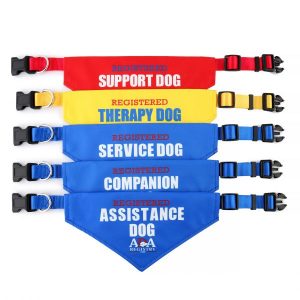
High Quality Bandanas
Service Dog Tags
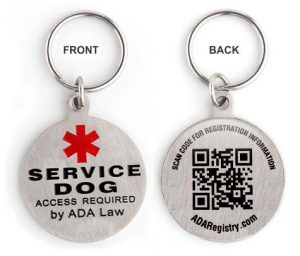
Smart Tags

ESA TAGS