Parson Russell Terrier as a Service Dog
Register Any Breed
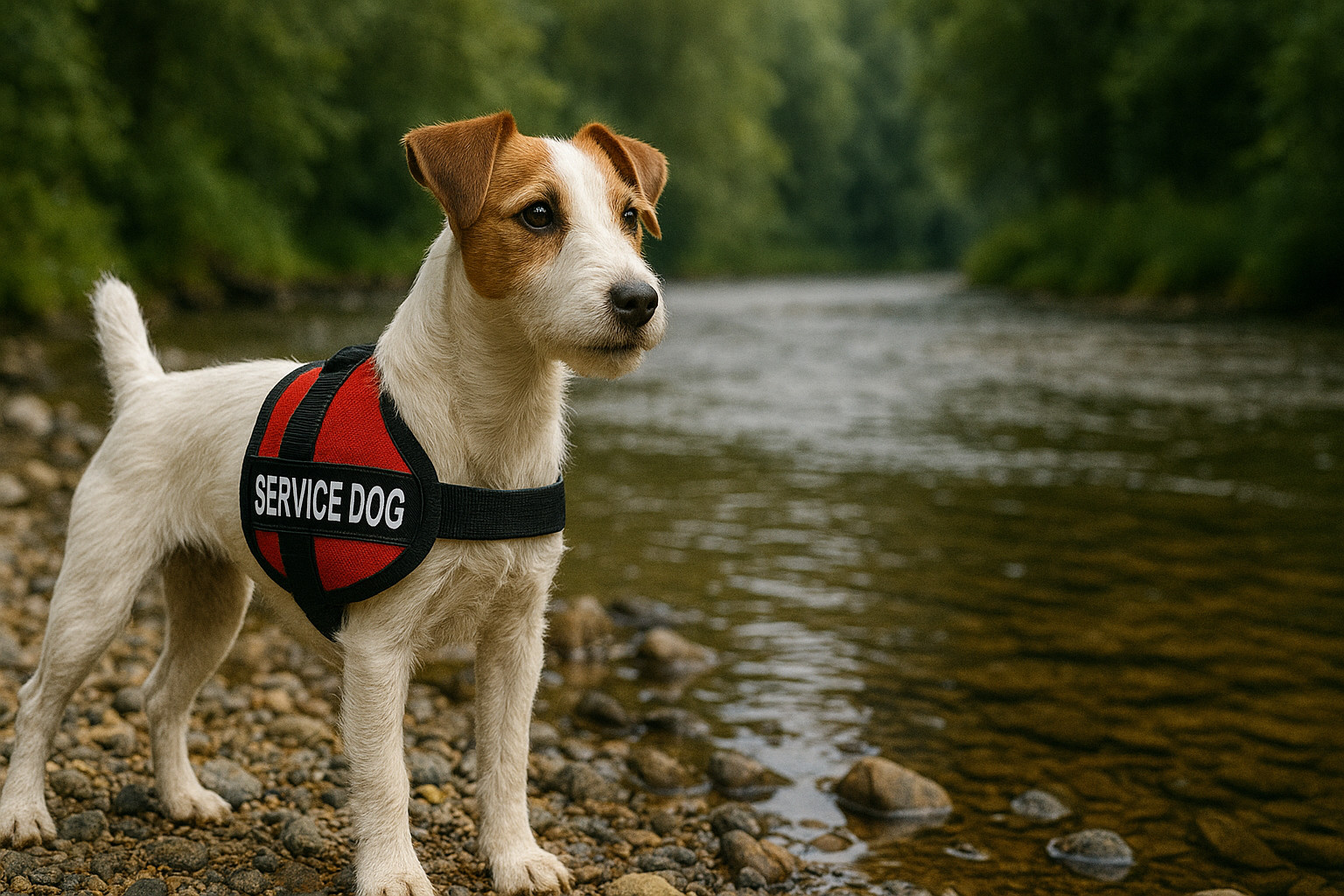
The Parson Russell Terrier is a lively and intelligent breed often associated with hunting and agility sports. However, their potential as service dogs is not often explored. This article will provide a comprehensive overview of the Parson Russell Terrier and evaluate their suitability for service work. We will explore their physical attributes, temperament, suited service tasks, health considerations, and training requirements. Each section will offer insights into why or why not they might be an ideal choice for specific service roles.
Parson Russell Terrier Overview
The Parson Russell Terrier, a spirited and agile breed, originated from England. Bred primarily for fox hunting, these dogs are known for their intelligence, tenacity, and high energy levels. They resemble the Jack Russell Terrier but are distinguished by specific physical and temperament traits. In recent years, their potential beyond traditional roles has gained attention, particularly in service and therapeutic contexts.
Physical Characteristics
Parson Russell Terriers are small to medium-sized dogs, typically weighing between 13 to 17 pounds and standing 13 to 14 inches tall at the shoulder. This compact yet sturdy build allows them to be very agile and quick.
- Size and Build: While their smaller size might be a limitation for some types of service work, it makes them easy to manage in crowded public spaces and transportation.
- Coat and Grooming: They have a dense, weatherproof coat that can appear in either a smooth or broken texture. Regular grooming is required, particularly for the broken coat variety.
- Energy Levels: Notoriously energetic, they require substantial daily exercise, making them better suited for active handlers.
The Parson Russell Terrier’s small size and agility might limit their use in tasks requiring strength, but their compact build makes them highly suited for work requiring dexterity and speed.
Temperament and Attitude
The Parson Russell Terrier possesses a bold and lively temperament. They are courageous, confident, and not easily intimidated, making them potentially resilient in various stressful environments.
- Intelligence: Highly intelligent, they benefit from mental stimulation alongside physical exercise. They can learn a wide array of commands and are adept at problem-solving.
- Independence: While clever, they are also independent thinkers. This trait means they might require a firm and consistent training approach.
- Sociability: Generally friendly and outgoing, they bond well with their human companions. However, early socialization is crucial to ensure they are well-behaved in diverse public settings.
Despite their positive traits, their independent streak necessitates a knowledgeable handler capable of both training and patience.
Types of Service Work
While Parson Russell Terriers are not typically seen as service dogs, their characteristics make them suitable for certain types of service roles:
Register Any Breed
- Therapeutic Roles: With their friendly nature and manageable size, they can serve as therapy dogs, providing comfort and emotional support in schools, hospitals, and nursing homes.
- Medical Alert Dogs: Their keen senses and intelligence make them suitable for roles like monitoring blood sugar levels in diabetic patients or alerting to seizures.
- Psychiatric Service Dogs: Their ability to provide emotional grounding can benefit those suffering from anxiety, PTSD, or depression.
- Task Training: They can be taught specific tasks such as retrieving objects, making them useful in customized service scenarios.
Due to their limited size and strength, they are less suited to roles requiring physical support or mobility assistance.
Health Considerations
The health of a Parson Russell Terrier is generally robust, but like any breed, they can be prone to certain health conditions which can affect their capacity for service work.
- Common Conditions: Known issues include patellar luxation, Legg-Calvé-Perthes disease, and eye disorders. Regular veterinary check-ups can help mitigate these risks.
- Diet and Exercise: Maintaining a balanced diet and sufficient exercise is essential to prevent obesity, which is relatively uncommon but can impair their agility and service capabilities.
Their generally good health bodes well for longevity in service roles, though regular health monitoring remains crucial.
Training and Suitability
Training a Parson Russell Terrier for service work requires patience, consistency, and creativity.
- Trainability: Their high intelligence facilitates learning, but their independent nature necessitates a training regime that is firm yet motivational and rewarding.
- Socialization: From a young age, they should be exposed to a wide array of environments, sounds, and experiences to ensure they are well-rounded adults.
- Continuing Education: Maintaining and expanding their skill set through ongoing training is crucial in ensuring they remain effective service companions.
Potential handlers must have the time and commitment to engage with these terriers extensively every day.
Summary of Parson Russell Terrier
In evaluating the Parson Russell Terrier as a service dog, it is essential to balance their energy, intelligence, and sociability with their independent nature and specific health risks. Here is a breakdown of their key attributes:
Strengths
- Highly intelligent and capable of learning complex tasks.
- Friendly and sociable, making them excellent therapy and psychiatric service dogs.
- Manageable size, suitable for close companionship and public spaces.
Weaknesses
- High exercise needs, demanding committed and active handlers.
- Independence may challenge novice trainers.
- Limited physical strength, restricting their suitability for mobility assistance.
Ideal Service Roles
- Therapy and Emotional Support
- Medical Alert
- Psychiatric Service
The Parson Russell Terrier, with appropriate training and a good handler fit, can excel as a service dog in specific roles requiring quick thinking, adaptability, and a sociable demeanor. However, potential handlers must commit to the exercise, engagement, and continuous training these lively dogs require.


-
Public Access Kits
$149.00 Learn more This product has multiple variants. The options may be chosen on the product page -
Quick Ship Premium Vests
$48.00 – $82.00 Learn more This product has multiple variants. The options may be chosen on the product page -
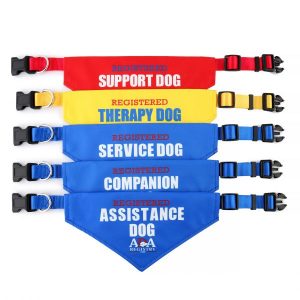
Service Dog Bandana
$39.95 Learn more This product has multiple variants. The options may be chosen on the product page
Custom ID Cards

Custom ID Cards
All States
Canada Cards
Custom Service Dog Tags
Official Dog Vests
Smart Vests
Official Public Access Kits
Complete Kits
USA & CANADA Letters
High Quality Bandanas
Service Dog Tags
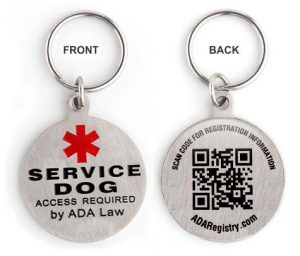
Smart Tags

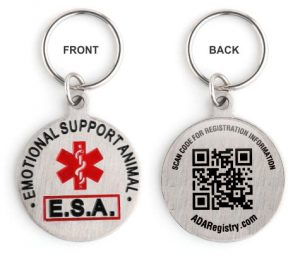
ESA TAGS