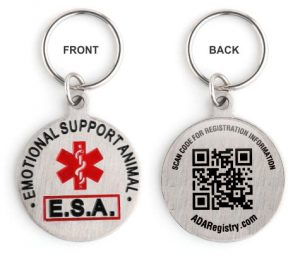
Pekingese as an Emotional Support Dog
Register Any Breed
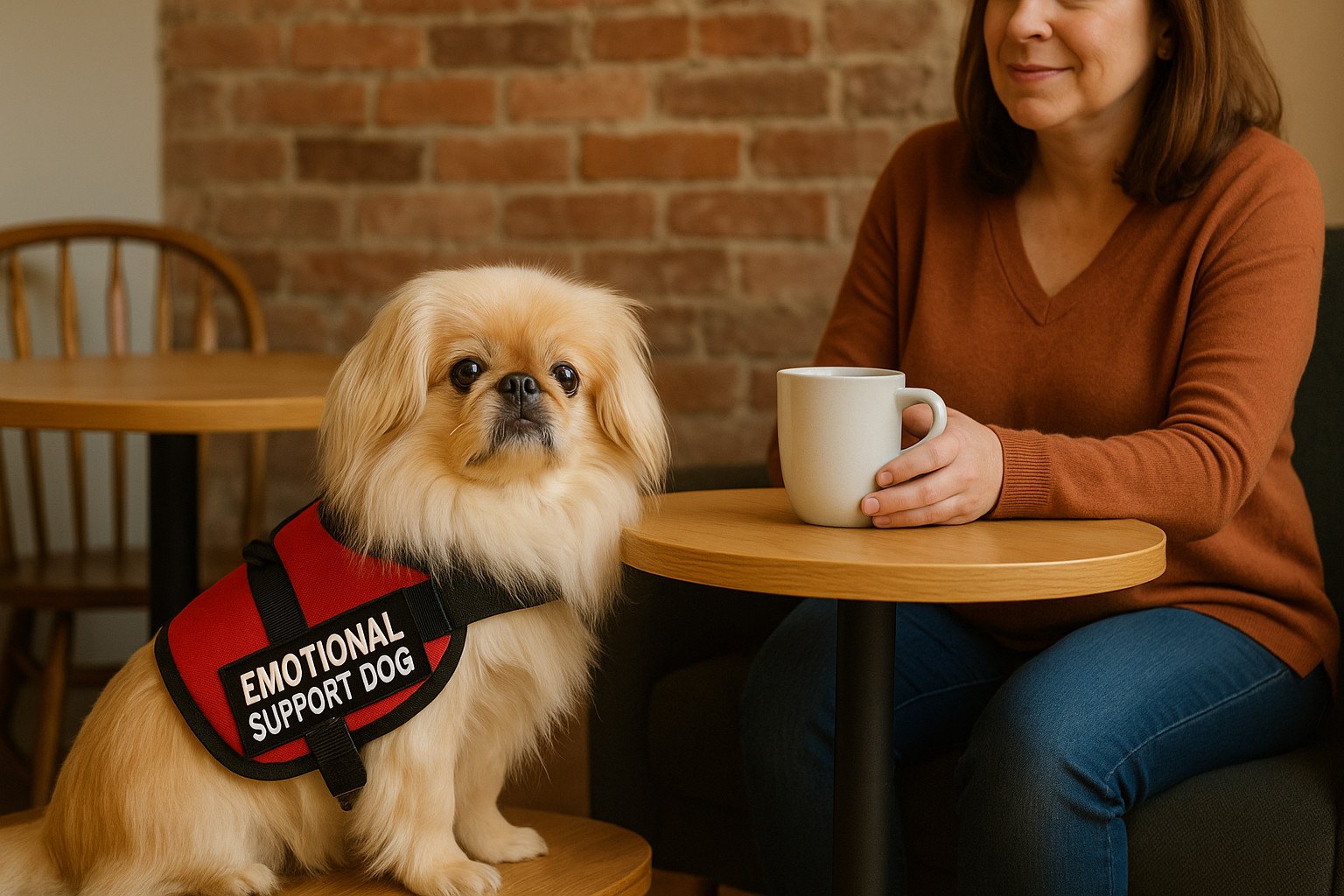
The Pekingese, with its distinctive appearance and loyal, calm nature, can make a wonderful emotional support animal (ESA). This article explores the Pekingese breed's ability to provide comfort, company, and emotional stability, highlighting how its unique characteristics make it particularly suited to emotional support roles.
Understanding the Emotional Support Role
Emotional support animals provide comfort and companionship to individuals dealing with mental health challenges. Unlike service dogs, they are not trained to perform specific tasks but offer emotional benefits through their presence. Their role in alleviating symptoms of anxiety, depression, or other emotional difficulties is crucial for those who need it.
Pekingese Overview
The Pekingese, known for its lion-like mane and regal demeanor, is a toy breed that originates from China. Historically cherished by Chinese royalty, this breed is known for its independence, intelligence, and affectionate nature. Weighing between 7 to 14 pounds and standing about 6 to 9 inches at the shoulder, the Pekingese is compact yet sturdy, ideal for individuals seeking a small yet resilient companion to provide emotional support.
Temperament and Emotional Connection
The Pekingese excels in forming profound emotional connections due to its intuitive nature and strong attachment to its human. Key traits include:
- Loyalty: Pekingese dogs are profoundly loyal, often forming deep bonds with their handlers, making them reliable companions for those in need of emotional support.
- Sensitivity: Their ability to sense their owner’s emotions allows them to provide timely comfort when needed, often curling up beside their person during distressing moments.
- Independence: While they are affectionate, Pekingese dogs are not overly demanding, respecting personal space, which suits individuals who occasionally need quiet time to themselves.
Adaptability and Daily Behavior
Their adaptability to various living conditions, from spacious homes to smaller apartments, ensures they fit comfortably into diverse lifestyles. Daily behavior that contributes to their role as an ESA includes:
- Calm Demeanor: Pekingese tend to be laid-back, providing a serene presence that naturally reduces anxiety and stress levels.
- Moderate Energy Levels: Their low to moderate energy levels mean they are content with short walks or indoor play, making them suitable for less active individuals or those with limited mobility.
Situations Where Pekingese Provides Strong Support
The Pekingese is particularly effective in scenarios where constant companionship and a calm presence are needed. They excel in:
- Handling solitude: Their presence can soothe feelings of loneliness, providing comfort through physical proximity.
- Mitigating anxiety: By offering a calm, reassuring presence, they can help lower anxiety, especially in environments where their owner might feel overwhelmed.
- Promoting emotional balance: Regular interaction with a Pekingese can help maintain emotional equilibrium by providing a daily routine and comforting presence.
Ideal Living Environments
Ideal environments for a Pekingese include:
Register Any Breed
- Urban Apartments: Compact size and adaptability make them perfect for apartment living where space is limited.
- Family Homes: They get along well with families but may require a bit of training to adjust to children or other pets.
- Assisted Living: Their calm and non-demanding nature makes them suitable for assisted living facilities where residents require companionship but not the demands of a high-energy dog.
Bonds with Different Types of People
Pekingese dogs can form strong bonds with various individuals, thanks to their adaptable and understanding nature:
- Elderly Individuals: Their low exercise needs and deep loyalty make them ideal companions for seniors.
- Single Adults: Provide companionship and routine, helping to offset loneliness.
- Homes with Older Children: Adapt well in environments with children who understand and respect their space.
Health, Care, and Wellbeing
Common Health Considerations
Being informed about the specific health considerations of a Pekingese is crucial to maintaining their role as capable ESAs:
- Brachycephalic Syndrome: Their flat faces can cause breathing difficulties, particularly in hot weather. It's important to monitor them during exercise and in humid conditions.
- Eye Conditions: Prone to eye problems such as cataracts and corneal ulcers due to their prominent eyes. Regular veterinary check-ups are vital.
- Spinal Health: Due to their elongated bodies, Pekingese can be prone to back issues. Prevent jumping from heights.
Grooming, Comfort, and Maintenance Needs
Maintaining the well-being of a Pekingese involves:
- Regular Grooming: Their long coats require frequent brushing to prevent matting and reduce shedding, which keeps them comfortable and clean.
- Hygiene Maintenance: Routine care, including teeth brushing and nail trimming, helps in maintaining overall health.
- Comfortable Living Areas: Providing a comfortable, safe space for rest and play enhances their emotional support efficacy.
Preparing a Pekingese for Emotional Support Work
Preparation involves fostering their natural traits through:
- Socialization: Early socialization ensures they adapt well to various environments and people.
- Positive Reinforcement: Encouraging desired behaviors with treats and affection reinforces their emotional supportive role.
Socialization and Responsiveness
Ensuring a Pekingese is well-socialized and responsive enhances their supportive role by:
- Expose to Various Situations: Introducing them to different environments and gentle people to bolster adaptability.
- Training in Basic Commands: Helps manage behavior and ensures responsiveness to emotional cues.
Managing Stress and Emotional Cues
Helping a Pekingese manage stress:
- Routine Building: Consistent routines reinforce a sense of security.
- Understanding Signals: Recognizing signs of stress in the dog, such as panting or restlessness, allows for timely intervention.
Strengths, Challenges, and Ideal Homes for Pekingese
Balancing strengths and challenges is essential:
- Strengths: Their size, loyalty, and sensitivity make them exceptional companions who readily provide emotional support.
- Challenges: Potential health issues and grooming needs can demand regular attention.
- Ideal Homes: Homes that offer a structured environment with routine care and moderate activity levels are optimal.
Final Thoughts
The Pekingese is a compassionate and loyal breed, ideal for those seeking an emotional support animal. Their innate understanding of human emotions makes them reliable companions, while their manageable size and calm demeanor ensure they fit well into various living environments.
—
Key Takeaways for the Pekingese as an Emotional Support Dog
- Best suited for: Seniors, single adults, individuals with mild to moderate anxiety or depression.
- Not ideal for: Families with very young children or highly energetic households.
- Emotional traits: Loyal, sensitive, independent.
- Care and health notes: Requires regular grooming; monitoring for brachycephalic issues.
- Environments where they provide the most comfort: Urban apartments, family homes, assisted living facilities.
This comprehensive guide provides insights into why the Pekingese is a strong candidate for providing emotional support, offering calm, loving companionship in a variety of settings.


-
Public Access Kits
$149.00 Learn more This product has multiple variants. The options may be chosen on the product page -
Quick Ship Premium Vests
$48.00 – $82.00 Learn more This product has multiple variants. The options may be chosen on the product page -
Service Dog Bandana
$39.95 Learn more This product has multiple variants. The options may be chosen on the product page
Custom ID Cards

Custom ID Cards
All States

Canada Cards

Custom Service Dog Tags
Official Dog Vests

Smart Vests
Official Public Access Kits
Complete Kits
USA & CANADA Letters
High Quality Bandanas

Service Dog Tags

Smart Tags

ESA TAGS