Pembroke Welsh Corgi as a Service Dog
Register Any Breed
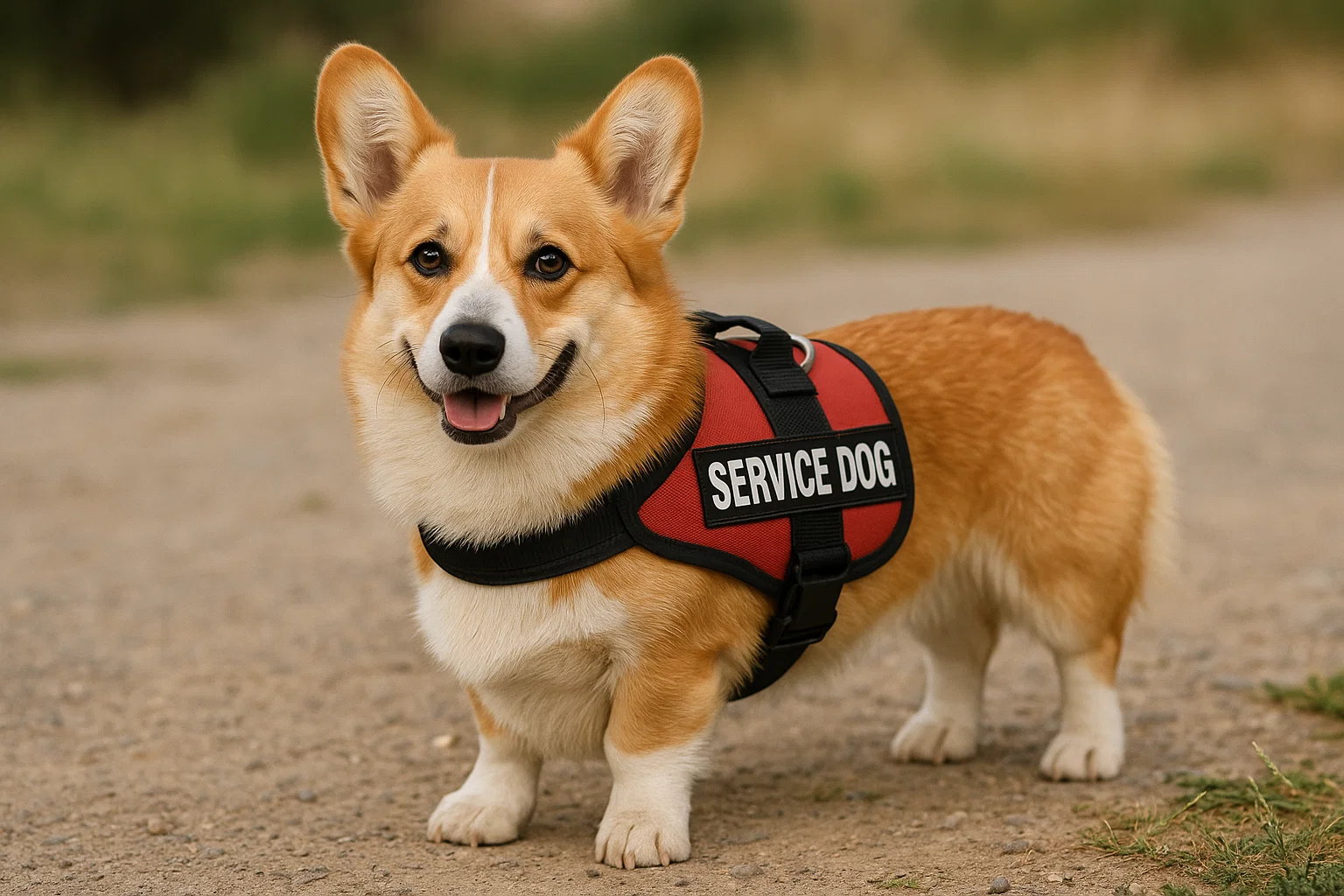
Service dogs are invaluable companions for people with disabilities, providing assistance in daily activities, offering emotional support, and enhancing overall quality of life. While breeds like Labrador Retrievers and German Shepherds are traditionally favored for service work, the Pembroke Welsh Corgi is an emerging contender. This article provides an in-depth exploration of the Pembroke Welsh Corgi as a service dog, assessing their physical attributes, temperament, suitability for different types of service work, health considerations, and overall trainability.
Pembroke Welsh Corgi Overview
The Pembroke Welsh Corgi, a herding breed native to Wales, is renowned for its intelligence, alertness, and friendly nature. Despite their relatively small size, they possess a robust personality and an eagerness to work, making them an intriguing breed for service work.
Physical Characteristics
The physical attributes of the Pembroke Welsh Corgi are both charming and distinctive. With a sturdy build, short legs, and long body, they present a unique silhouette. Typically, Corgis weigh between 24 to 30 pounds and stand about 10 to 12 inches tall at the shoulder.
Their size makes them more suitable for individuals who require less physical support, such as guidance or alert tasks, rather than heavy mobility assistance. While their compact stature limits their ability to perform tasks requiring significant physical strength, it allows them to navigate crowded spaces with ease, making them agile in public settings. The Corgi’s dense double coat is weather-resistant, which adds resilience during outdoor activities, though it requires regular grooming to manage shedding.
Temperament and Attitude
Corgis are celebrated for their spirited and affable temperament. Their alertness and intelligence make them excellent at understanding commands and anticipating needs. As natural herders, Corgis possess a strong drive to work and a heightened sense of awareness, making them quite attentive to their handlers’ cues.
However, their independent nature can sometimes manifest as stubbornness, which requires a consistent and patient training approach. In stressful or demanding environments, their exuberant energy can be an asset, although it requires management to prevent over-excitement. Additionally, Corgis are generally friendly and sociable with people, which is critical in environments where they need to interact with various individuals or resist reactive behaviors in public.
Types of Service Work
Pembroke Welsh Corgis are versatile and can excel in various types of service work, albeit with some limitations due to their size. They are particularly effective in the following roles:
Register Any Breed
- Medical Alert Dogs: Their keen sense of smell and observation make them suitable for detecting medical conditions such as diabetic changes, seizure alerts, or allergy alerts.
- Psychiatric Service Dogs: Corgis’ empathetic nature and ability to provide reassurance are valuable for individuals dealing with anxiety, PTSD, or depression. They can be trained to perform grounding tasks such as applying deep pressure therapy.
- Hearing Assistance Dogs: Their acute hearing and attentiveness make them excellent at alerting individuals to sounds such as doorbells, alarms, or phone calls.
- Emotional Support Animals (ESAs): While not technically service dogs, Corgis’ affable nature can provide comfort and emotional support to individuals requiring companionship for therapeutic reasons.
While they can fulfill tasks related to guiding or picking up small items, they are less suitable for heavy-duty mobility assistance because of their height and lack of physical leverage.
Health Considerations
When considering a Pembroke Welsh Corgi for service work, certain health predispositions of the breed are noteworthy:
- Intervertebral Disc Disease (IVDD): This breed is prone to back problems, likely due to their elongated spinal structure. This condition poses a risk during activities that involve jumping or excessive strain on the back.
- Hip Dysplasia: While less common than in larger breeds, Corgis can still suffer from hip dysplasia, affecting their mobility over time.
- Obesity: Given their low stature, Corgis are inclined to gain weight if not monitored, which can exacerbate other health issues.
Regular veterinary check-ups, a balanced diet, and appropriate exercise are critical in managing these health concerns, ensuring that the Corgi remains healthy and capable of performing its duties efficiently.
Training and Suitability
Training a Pembroke Welsh Corgi as a service dog requires consistency, patience, and positive reinforcement strategies. Their intelligence and eagerness to please are assets that facilitate learning complex tasks. Nonetheless, their independent streak may require additional repetitions and engagement techniques to maintain focus.
Socialization from a young age is crucial for this breed to ensure they are well-mannered in a variety of settings. Early exposure to different environments, people, and other animals helps minimize unwanted reactive behaviors. The key is to utilize their natural herding instincts constructively, channeling their energy into productive service tasks.
Their training adaptability makes them suitable for handlers who require alert and responsive assistance dogs, though careful consideration should be given to how their size and health limitations may impact the specific service needs.
Summary of Pembroke Welsh Corgi
In summary, the Pembroke Welsh Corgi can be an exceptional service dog for certain roles:
- Strengths:
- Intelligent and responsive
- Suitable for medical alert due to keen senses
- Excellent at providing psychiatric and emotional support
- Weaknesses:
- Prone to specific health issues (IVDD, hip dysplasia)
- Size limitations for physical/mobility tasks
- Ideal Service Roles:
- Medical alert
- Psychiatric assistance
- Hearing aid
In conclusion, while the Pembroke Welsh Corgi is not a traditional choice for service work, they can excel in specific roles that leverage their intelligence, perception, and temperament. Prospective service dog handlers should assess the unique needs that they require assistance with, matching them against the Corgi's capabilities. Through dedicated training and health management, Pembroke Welsh Corgis have great potential to provide proficient service and companionship to those in need.


-
Public Access Kits
$149.00 Learn more This product has multiple variants. The options may be chosen on the product page -
Quick Ship Premium Vests
$48.00 – $82.00 Learn more This product has multiple variants. The options may be chosen on the product page -
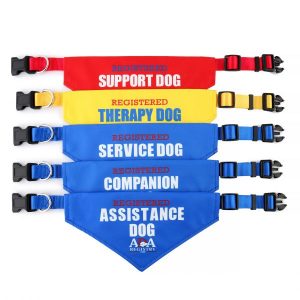
Service Dog Bandana
$39.95 Learn more This product has multiple variants. The options may be chosen on the product page
Custom ID Cards

Custom ID Cards
All States

Canada Cards

Custom Service Dog Tags

Official Dog Vests

Smart Vests
Official Public Access Kits
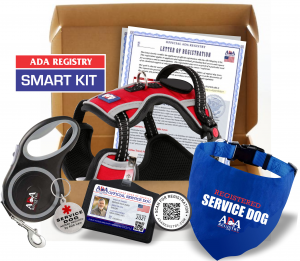
Complete Kits
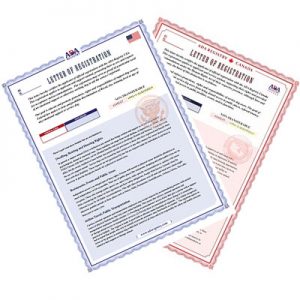
USA & CANADA Letters
High Quality Bandanas
Service Dog Tags
Smart Tags

ESA TAGS