Pembroke Welsh Corgi as a Therapy Dog
Register Any Breed
Pembroke Welsh Corgi as a Therapy Dog Overview
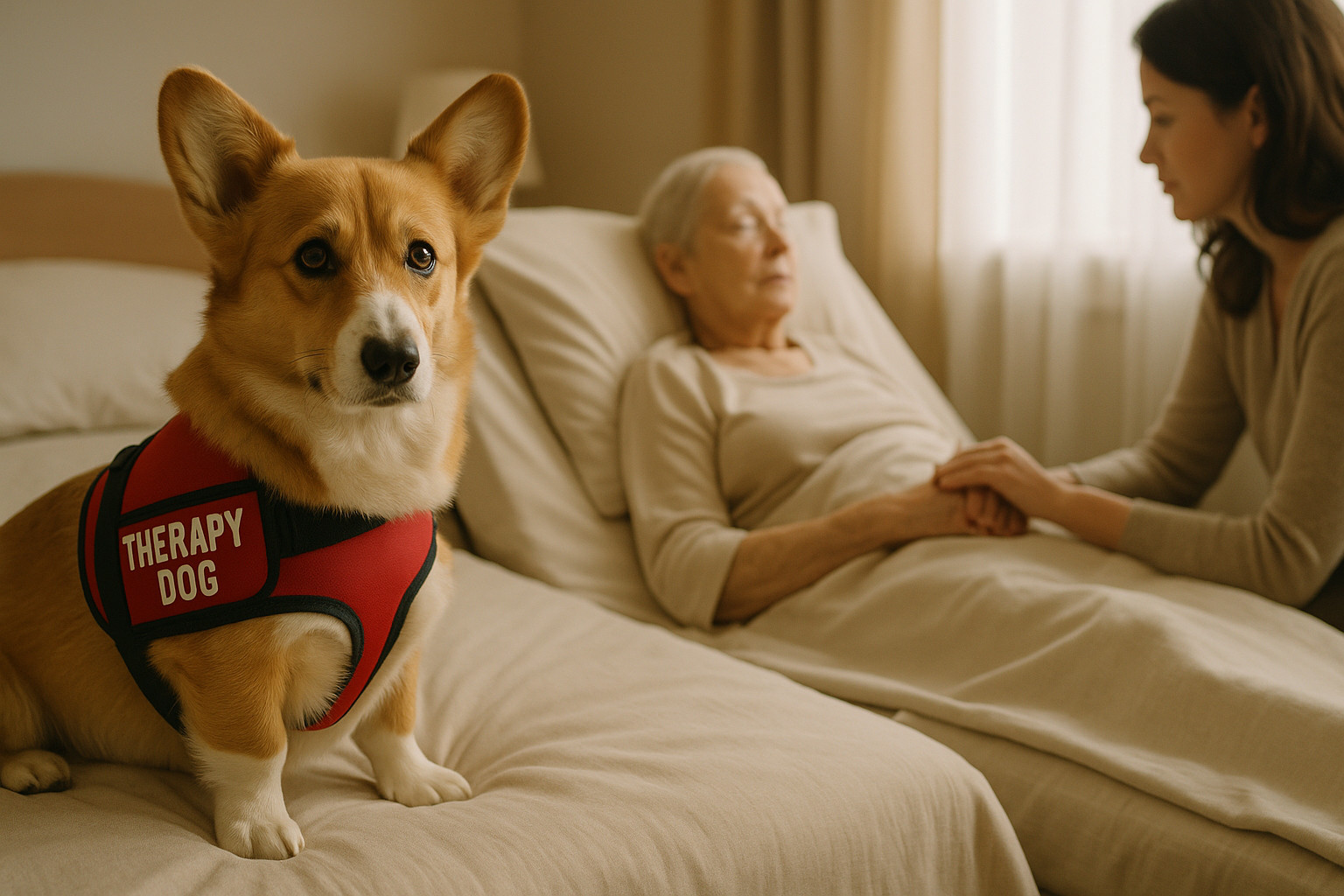
The Pembroke Welsh Corgi, with its distinctive build and charming demeanor, has been capturing hearts and fulfilling roles beyond its historical herding duties. As therapy dogs, their adaptability, intelligence, and contagious cheer make them an excellent choice. This article explores the qualities that make Pembroke Welsh Corgis effective therapy animals and provides insights into their care, training, and ideal environments.
Understanding the Therapy Dog Role
Therapy dogs provide comfort, emotional support, and a sense of calm to individuals in various settings, from hospitals to schools. Unlike service dogs, therapy dogs offer companionship and emotional relief rather than direct physical assistance. Pembroke Welsh Corgis are particularly suited for this role due to their empathetic nature and social disposition.
Physical Appearance and Energy Level
Pembroke Welsh Corgis are known for their sturdy, medium-sized bodies and expressive faces. Standing at about 10 to 12 inches tall and weighing between 25 and 30 pounds, they are portable and manageable in size, making them ideal for environments where space is restricted, such as hospital rooms or residential facilities. Their moderate energy level means they are lively, yet can be calm and gentle when required, providing soothing interaction during therapy sessions.
Personality and Emotional Intelligence
The Pembroke Welsh Corgi's personality is a blend of liveliness, friendliness, and remarkable emotional intelligence. Their ability to read emotions and respond appropriately makes them effective in therapeutic environments. They easily form bonds with people, bringing joy and comfort through their affectionate gestures and cheerful presence. This breed is also revered for its patience, allowing them to remain composed and gentle, even in situations that might be overwhelming for other dogs.
Environments Where Pembroke Welsh Corgi Excels
Pembroke Welsh Corgis adapt well to a variety of environments, from bustling urban centers to serene rural areas. However, they particularly excel in structured settings such as therapy visits in hospitals, assisted living facilities, and special education schools. Their small size allows them to navigate confined spaces easily, and their positive energy enhances interactions with residents and patients, fostering emotional healing and well-being.
Common Therapy Settings
Within common therapy settings, Pembroke Welsh Corgis thrive in environments where they can engage with people of all ages. They are well-suited for:
- Hospitals for providing patients with comfort and a distraction from pain or anxiety.
- Rehabilitation centers where their presence encourages mobility and participation in exercises.
- Nursing homes to offer companionship and emotional engagement to residents.
- Schools to assist in special education classes by encouraging reading exercises or promoting social interaction.
Interactions with Different Populations
Pembroke Welsh Corgis are versatile in their therapy roles and interact well with a broad range of populations:
Register Any Breed
- Children find their small size and playful nature endearing, facilitating calm reactions and openness.
- Elderly individuals benefit from their companionship and unobtrusive nature, easing loneliness and promoting happiness.
- Patients recovering from trauma or illness receive emotional support and motivation to engage in rehabilitation activities.
Their empathy and responsiveness enable Corgis to adjust their behavior according to the person's needs, enhancing therapeutic effectiveness.
Health and Wellness Factors
Good health is crucial for a therapy dog's effectiveness. Pembroke Welsh Corgis generally enjoy robust health but are prone to specific conditions, including hip dysplasia and obesity. Regular veterinary checkups and a well-balanced diet help maintain their health, ensuring they are fit for therapy work. Grooming needs are moderate, with regular brushing to manage shedding and keep their coats clean, which is essential for maintaining hygiene in sensitive environments like hospitals.
Lifespan and Common Health Issues
The Pembroke Welsh Corgi typically enjoys a lifespan of 12 to 15 years. Awareness of health issues such as intervertebral disc disease, and consistent health monitoring, ensures a long and active life. Therapy dogs must be in optimal health to fulfill their roles effectively and safely, making routine care and preventive health measures crucial.
Maintenance and Care Needs
Routine care is vital for Pembroke Welsh Corgis to perform their therapy roles effectively. Their maintenance includes:
- Brushing regularly to manage shedding and maintain a sleek coat.
- Dental care to prevent periodontal disease, which is common in small breeds.
- Exercise that balances their lively nature without overwhelming their small bodies, like short walks and interactive play.
- Nutrition carefully controlled to prevent obesity, which can lead to other health issues.
Training and Certification Readiness
Pembroke Welsh Corgis are highly trainable due to their intelligence and eagerness to please. Training them for therapy work involves building their confidence, tolerance to diverse stimuli, and ability to engage positively with humans. They respond well to positive reinforcement techniques, which encourage their natural tendencies for gentleness and companionship. Certification as a therapy dog typically involves passing assessments on behavior, adaptability, and obedience, areas where Corgis generally perform well.
Learning Style and Responsiveness
The Corgi's learning style is characterized by quick comprehension and high responsiveness. They excel in understanding commands and developing routines, crucial for therapy roles that require consistent behavior and predictable responses to uncertain variables around them. Training sessions benefit from their enthusiasm, making them eager learners and performers.
Handling Social and Emotional Stimuli
A Pembroke Welsh Corgi is particularly adept at handling social and emotional stimuli due to its empathetic nature. This trait is beneficial in therapy settings where emotional intelligence is as important as obedience. They are capable of perceiving subtle emotional cues from individuals and provide the appropriate responses, contributing to their patient's emotional wellness and therapy goals.
Strengths, Limitations, and Ideal Roles for Pembroke Welsh Corgi
Strengths: Pembroke Welsh Corgis have an innate capability to connect with individuals emotionally, adapting well to various settings and situations. Their steadfast companionship and readiness to engage make them a valuable asset in therapy contexts.
Limitations: Their susceptibility to health issues like obesity requires careful health management to prevent any hindrance during therapy work. Additionally, their high energy might be overwhelming for quieter settings without adequate exercise management.
Ideal Roles: Due to their adaptable nature, Pembroke Welsh Corgis are ideal in emotional support roles within educational environments, routine hospital visits, and companionship tasks that require patient interaction and engagement.
Final Thoughts
The Pembroke Welsh Corgi is a beloved companion and a promising candidate for therapy work due to its affable nature and empathetic instincts. By fostering their natural tendencies through holistic care and specialized training, they can significantly impact the therapeutic process, offering comfort, engagement, and emotional stability to those in need.
Key Takeaways for the Pembroke Welsh Corgi as a Therapy Dog
- Best suited for: Hospitals, schools, nursing homes, and rehabilitation centers
- Not ideal for: Environments requiring a high degree of physical assistance or strenuous activity
- Temperament highlights: Empathetic, responsive, adaptable
- Care and health notes: Moderate grooming, regular exercise, health monitoring for obesity and joint conditions
- Therapy environments where they shine: Places requiring emotional support, companionship, and social interaction due to their small size and engaging personality


-
Public Access Kits
$149.00 Learn more This product has multiple variants. The options may be chosen on the product page -
Quick Ship Premium Vests
$48.00 – $82.00 Learn more This product has multiple variants. The options may be chosen on the product page -
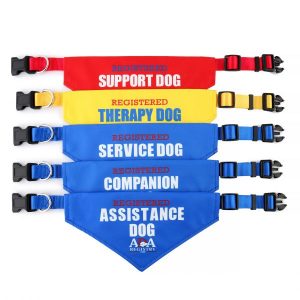
Service Dog Bandana
$39.95 Learn more This product has multiple variants. The options may be chosen on the product page
Custom ID Cards

Custom ID Cards
All States

Canada Cards

Custom Service Dog Tags

Official Dog Vests

Smart Vests
Official Public Access Kits
Complete Kits
USA & CANADA Letters
High Quality Bandanas
Service Dog Tags
Smart Tags

ESA TAGS