Petit Basset Griffon Vendéen as a Therapy Dog
Register Any Breed
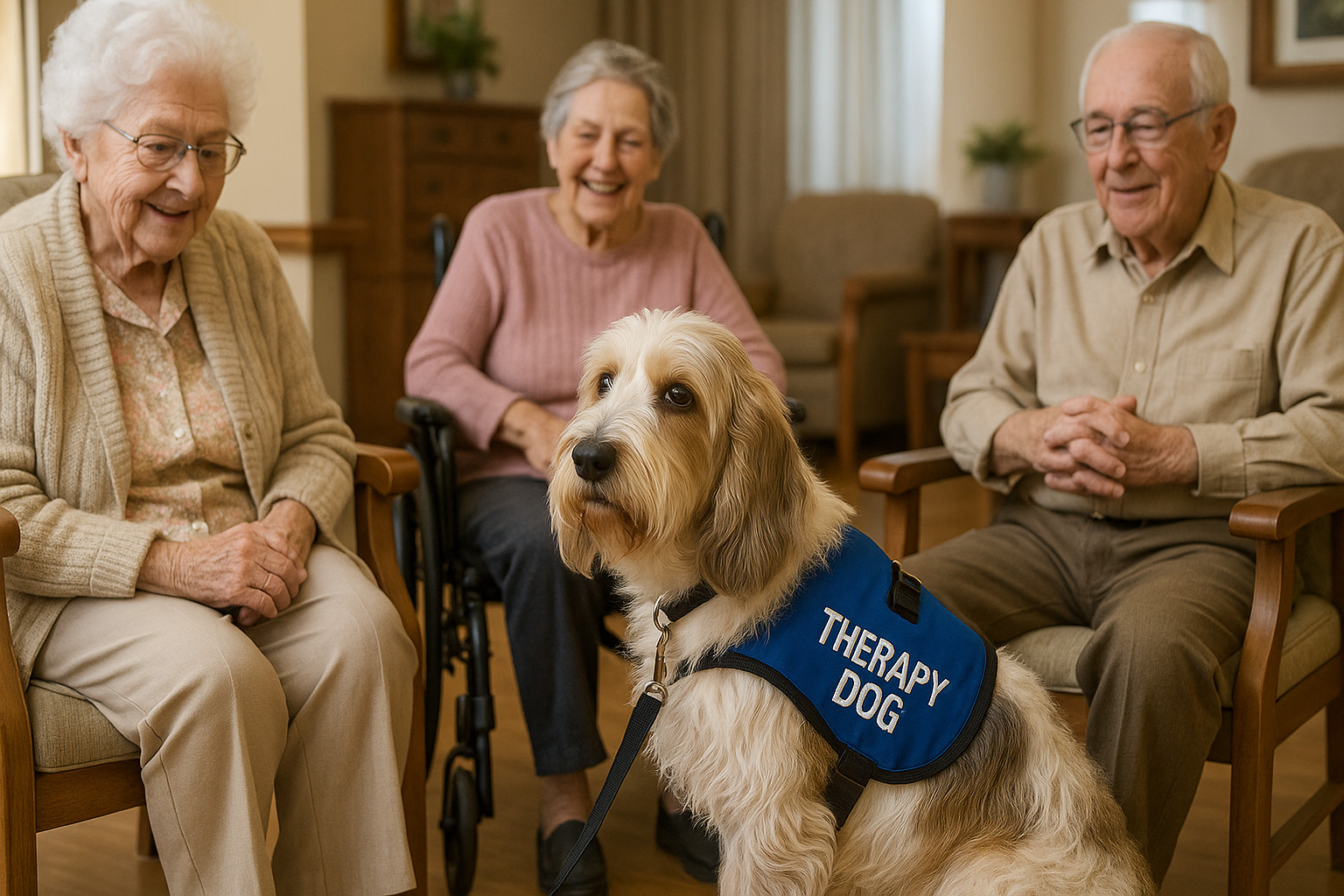
Petit Basset Griffon Vendéen as a Therapy Dog Overview
The Petit Basset Griffon Vendéen (PBGV) is an amiable and spirited breed known for its affable disposition and zest for life, characteristics that hold significant promise in therapy dog roles. Widely appreciated for their inquisitive nature and upbeat demeanor, PBGVs possess several attributes that render them effective in providing emotional support and therapeutic interaction.
Understanding the Therapy Dog Role
Therapy dogs are distinct from service dogs; they assist many people by providing comfort, alleviating stress, promoting emotional well-being, and offering solace through companionship. The Petit Basset Griffon Vendéen excels in these areas due to its social temperament and adaptability, making this breed a potential fit for various therapeutic environments.
Physical Appearance and Energy Level
The Petit Basset Griffon Vendéen is a small yet robust hound with a distinctive appearance, characterized by a tousled coat and cheerful face. Standing about 13 to 15 inches tall and weighing between 25 to 40 pounds, their size is advantageous in therapy settings where mobility and accessibility are crucial.
Their moderate energy levels, while less demanding than some larger breeds, require regular physical activity. This energy ensures they remain active and engaged during therapy sessions but also underscores the importance of balanced downtime. The breed's physical characteristics, coupled with its spirited nature, ideally position it to engage positively with patients, boosting morale and aiding in therapeutic outcomes.
Personality and Emotional Intelligence
PBGVs are known for their sociable and affectionate personalities. They naturally exhibit traits of emotional intelligence, such as recognizing human emotions and responding appropriately. Their intuitive ability to sense when comfort is needed makes them particularly effective in emotional support roles.
These dogs are renowned for their cheerful disposition, which often has a ripple effect on the people around them. Their playful nature can lighten the atmosphere in therapy settings, promoting relaxation and positive interactions. This temperament meets a crucial requirement of therapy dogs: the ability to adapt and bring calmness and joy to those they interact with.
Environments Where Petit Basset Griffon Vendéen Excels
This breed thrives in environments where flexibility and interaction are paramount. Schools, where a lively yet gentle presence is needed, greatly benefit from the PBGV's enthusiasm. In senior living facilities, they provide companionship and a sense of routine that residents eagerly anticipate.
Register Any Breed
The PBGV's instinctive ability to adapt to various emotional climates allows for effective engagement in hospitals and rehabilitation centers. Their size and demeanor are non-intrusive, allowing them to integrate seamlessly into patient care plans. Whether the environment demands calmness or the encouragement of social interaction, the PBGV rises to the occasion.
Common Therapy Settings
In hospitals, PBGVs can help improve patient morale by visiting rooms and providing warmth and non-judgmental presence. Schools benefit from their capacity to enhance children's social skills and provide emotional support, particularly beneficial for students with emotional or learning challenges.
Rehabilitation centers also utilize therapy dogs like PBGVs to motivate patients during physical exercises or to provide a therapeutic distraction from pain and discomfort. Their versatility across these settings is a testament to their adaptability and proficiency as therapy animals.
Interactions with Different Populations
The Petit Basset Griffon Vendéen displays commendable adaptability when interacting with diverse populations. They exhibit patience and attentiveness when dealing with children, and their low-shedding coats make them a suitable choice for individuals with allergies.
With the elderly, PBGVs offer gentle companionship, fostering emotional bonding and reducing feelings of loneliness. They are equally effective with those recovering from trauma or managing mental health conditions, where their empathetic and non-threatening presence can have significant therapeutic effects.
Health and Wellness Factors
A well-exercised and carefully groomed PBGV maintains optimal health, which is crucial for fulfilling therapy roles effectively. Regular veterinarian check-ups and a balanced diet ensure their longevity and performance.
Their wiry, weather-resistant coat requires regular grooming to prevent matting, but it is relatively low-maintenance compared to long-haired breeds. Essential routine care, including ear cleaning and dental hygiene, mitigates common health issues and ensures they remain comfortable and ready for interaction.
Lifespan and Common Health Issues
With a lifespan of 12 to 14 years, the PBGV offers long-term companionship in therapeutic roles. They are generally healthy but may be prone to conditions such as hip dysplasia and epilepsy. Awareness and proactive management of these conditions are crucial for maintaining their therapy capabilities.
Attending regular health screenings and maintaining an active lifestyle are essential strategies to prevent health complications, which could otherwise affect their reliability and comfort as therapy dogs.
Maintenance and Care Needs
A balanced regimen of physical exercise and mental stimulation is necessary for the PBGV’s well-being. Regular walks, playtime, and interactive challenges keep them physically fit and mentally sharp. These activities are also excellent opportunities to refine their therapy skills, such as responding to commands and sustaining focus on tasks.
Their grooming requirements, though modest, necessitate consistency to keep their coat appealing and healthy. Regular brushing, coupled with baths as needed, secures the dog's role in environments where cleanliness is prioritized.
Training and Certification Readiness
The PBGV’s eagerness to please makes them highly trainable. Their intelligence and curiosity encourage responsiveness to commands, which is vital for achieving therapy dog certification. Basic obedience training serves as the foundation, but advanced commands enhance their capacity to respond to specific patient needs effectively.
However, trainers must account for their occasional stubbornness, which may require extra patience and consistency. Focused, reward-based training methodologies tend to yield the best results, enhancing their prospects for therapy accreditation.
Learning Style and Responsiveness
PBGVs learn best through positive reinforcement and repetition. They are naturally curious and motivated by food and play rewards, making them open to learning complex tasks required in therapy settings. Sustained engagement in training sessions fosters a deeper understanding of the tasks they must perform to provide effective therapy.
Their adaptability is instrumental in handling various environments and client needs, enabling them to adjust their behavior according to the situational demands and maximize their therapeutic impact.
Handling Social and Emotional Stimuli
Socially, PBGVs are adept at navigating interactions with multiple people. Their intrinsic friendly nature and expressiveness make them well-suited for delivering therapy in group settings, such as community centers or classrooms, where they can engage with multiple individuals simultaneously.
Emotionally, they exhibit considerable empathy, often tuning into the emotional state of those around them. This ability to discern and react to emotional cues is critically beneficial in tailoring their interactions to suit the diverse emotional and psychological needs of clients.
Strengths, Limitations, and Ideal Roles for Petit Basset Griffon Vendéen
The PBGV’s strengths as a therapy dog include its sociable nature, adaptability, and keen emotional intelligence. These attributes enable them to provide uplifting and effective companionship across various therapy settings.
Conversely, their limitations may include a degree of stubbornness and a need for structured activity due to their hound lineage. Not all settings or individuals may suit their enthusiastic demeanor, particularly where quieter, less active dogs might be needed.
Their ideal roles often involve environments seeking positive energy, where engagement and cheerfulness are paramount. Such roles lean on their ability to form immediate connections, impacting emotional healing processes substantially.
Final Thoughts
The Petit Basset Griffon Vendéen holds remarkable potential as a therapy dog, blending amicable temperament and intelligence with a nurturing presence. Their suitability in facilitating therapeutic interactions spans a multitude of settings and populations, significantly contributing to improved emotional well-being and recovery.
Key Takeaways for the Petit Basset Griffon Vendéen as a Therapy Dog
- Best suited for: Schools, hospitals, rehabilitation centers, and senior living facilities.
- Not ideal for: Settings requiring low-energy or highly disciplined interventions without extensive training.
- Temperament highlights: Affectionate, adaptable, emotionally intelligent, and playful.
- Care and health notes: Requires regular exercise, grooming, and monitoring for common health issues.
- Therapy environments where they shine: Interactive and dynamic settings needing cheerfulness and engagement.


-
Public Access Kits
$149.00 Learn more This product has multiple variants. The options may be chosen on the product page -
Quick Ship Premium Vests
$48.00 – $82.00 Learn more This product has multiple variants. The options may be chosen on the product page -
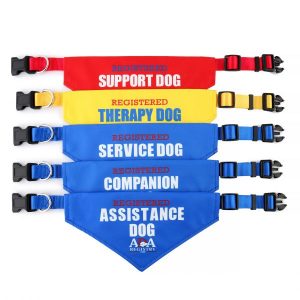
Service Dog Bandana
$39.95 Learn more This product has multiple variants. The options may be chosen on the product page
Custom ID Cards

Custom ID Cards
All States

Canada Cards

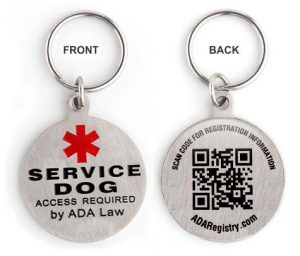
Custom Service Dog Tags
Official Dog Vests

Smart Vests
Official Public Access Kits
Complete Kits
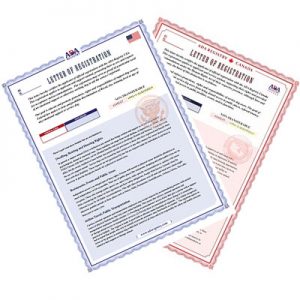
USA & CANADA Letters
High Quality Bandanas
Service Dog Tags
Smart Tags

ESA TAGS