Plott Hound as a Service Dog
Register Any Breed
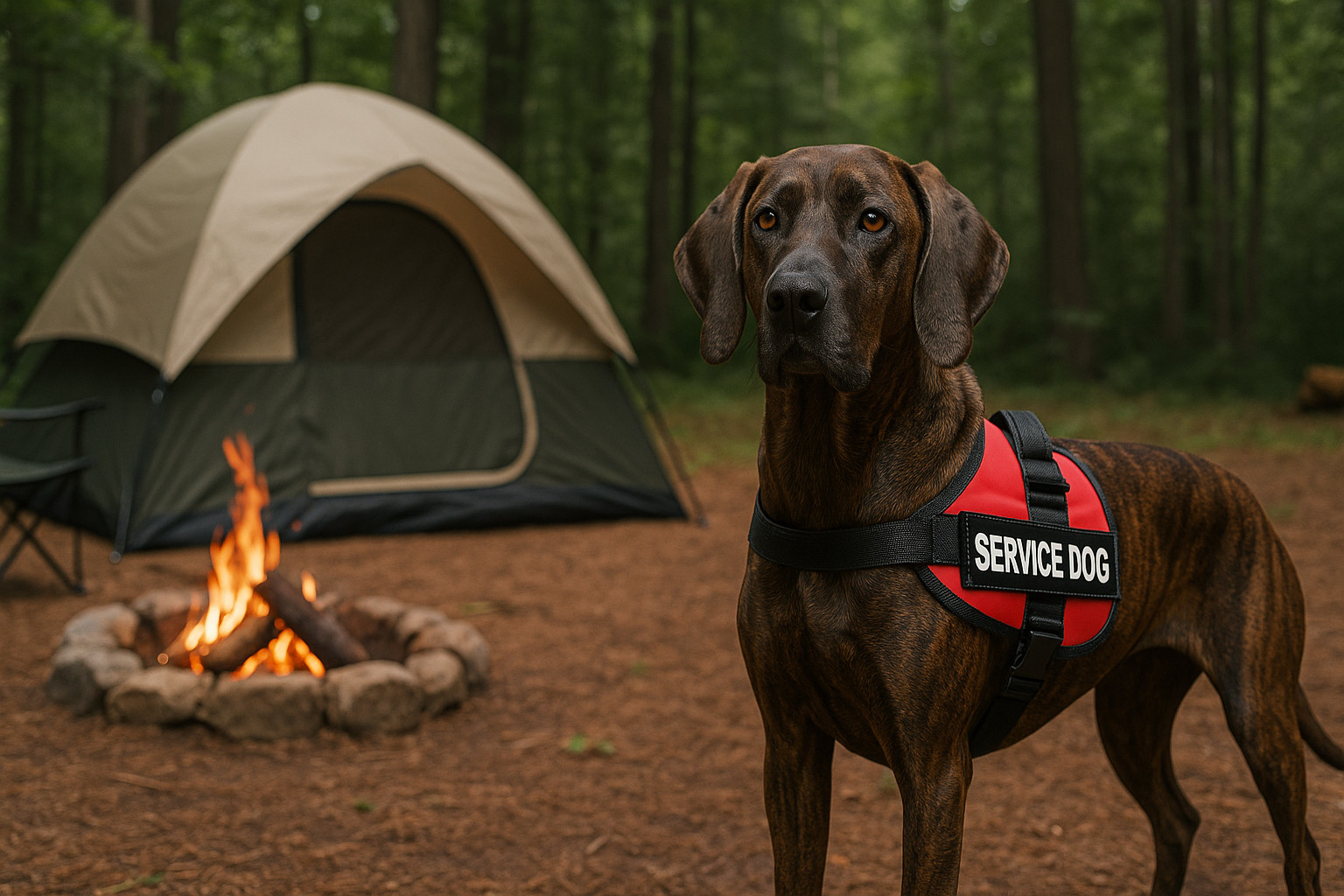
The Plott Hound is a relatively under-the-radar breed when it comes to service work, but it has qualities that make it a potential candidate for certain service roles. As a breed with rich history and unique attributes, understanding the Plott Hound’s capabilities is essential for anyone considering them for service work. This article will delve into the Plott Hound’s physical characteristics, temperament, health considerations, and training suitability to assess their potential as a service animal.
Plott Hound Overview
Physical Characteristics
The Plott Hound is renowned for its athletic build and high energy levels, traits rooted deeply in their origins as hunting dogs. Physically, they are medium to large hounds with a strong, muscular frame that reflects their stamina and endurance.
- Size & Build: The average Plott Hound stands between 20 to 25 inches tall at the shoulder and weighs between 40 to 60 pounds, making them a mid-sized breed. Their size is beneficial for certain types of service work, particularly those that require strength and agility.
- Coat & Color: Plotts have a smooth, glossy coat that is easy to maintain but does not provide insulation against cold temperatures. Their coat colors range from brindle, black, or combinations thereof, which are beautiful yet practical for staying clean in various working environments.
- Strength & Stamina: Known for their exceptional hunting ability, Plott Hounds possess great physical strength and stamina. These qualities are crucial for roles that demand physical labor or long working hours.
Temperament and Attitude
The temperament of a Plott Hound is defined by its hunting background and its role as a loyal companion, impacting its suitability for service dog work.
- Intelligence & Independence: Plott Hounds are intelligent but can exhibit an independent streak. While this can be seen as determination in service work, it requires a handler who understands how to channel this trait positively in training and daily tasks.
- Socialization Needs: Early and consistent socialization is critical for Plotts, as their natural wariness of strangers can manifest in reluctance or distraction in public settings.
- Drive & Motivation: These hounds have a high prey drive which can be both a pro and a con. On the pro side, their drive can be directed towards service tasks with proper motivation techniques; conversely, it may lead to challenges in maintaining focus in busy environments.
Types of Service Work
While Plott Hounds might not be the first breed considered for service work, they possess qualities that suit specific service roles.
- Search and Rescue: Their exceptional scent tracking ability makes them ideal for search and rescue, working environments where their natural talent can be fully utilized without the distractions of public places.
- Therapeutic Companion: With a focus on companionship, their loyalty and affectionate nature can be well-suited for therapeutic roles, providing emotional support and comfort to individuals in need.
- Medical Alert: Given their keen senses, Plott Hounds are potentially suitable for medical alert roles, notifying handlers of specific medical conditions such as seizures or significant drops in blood sugar.
Health Considerations
When considering a Plott Hound for service work, one must acknowledge and plan for possible health considerations.
- Genetic Health Issues: Plotts are relatively healthy dogs, but they may be prone to certain conditions typical of medium to large breeds, such as hip dysplasia. Regular veterinary check-ups are crucial for maintaining their health.
- Lifespan: With a lifespan of approximately 12 to 14 years, Plott Hounds can serve as long-time companions in service roles, provided they maintain good health throughout their life.
- Exercise Requirements: They require substantial daily exercise to remain healthy and content, a consideration that is both a benefit for active service work and a challenge for handlers with a more sedentary lifestyle.
Training and Suitability
Successfully training a Plott Hound for service work requires patience, understanding, and a commitment to their unique needs.
- Trainability: While trainable, their independent nature means they respond best to positive reinforcement techniques rather than forceful obedience methods.
- Focus & Distraction: Training should focus on enhancing their attention in diverse environments, counteracting their natural propensity for distraction due to their hunting instincts.
- Consistency: Consistent and structured training will help a Plott Hound understand and perform service tasks effectively, ensuring they remain balanced and attentive.
Summary of Plott Hound
In summary, the Plott Hound offers a unique combination of physical and temperamental traits that can be harnessed for certain types of service work. Their independent nature, coupled with high intelligence and physical endurance, make them ideal for specific roles such as search and rescue or therapeutic companionship. Nevertheless, prospective handlers should be prepared to engage in ongoing training and management due to their independent streak and high energy levels.
Register Any Breed
Strengths:
- Scent tracking abilities ideal for search and rescue
- Strong loyalty and potential emotional bonds with handlers
- Physically robust with enduring stamina for long tasks
Weaknesses:
- High prey drive and susceptibility to distractions in crowded environments
- Requires substantial exercise and mental stimulation
- Independent nature can pose training challenges
Ideal Service Roles:
- Search and rescue
- Therapeutic companion
- Medical alert
The Plott Hound, with the right handler and training approach, can indeed fulfill specific service dog roles effectively, driven by its natural abilities and loyal temperament.


-
Public Access Kits
$149.00 Learn more This product has multiple variants. The options may be chosen on the product page -
Quick Ship Premium Vests
$48.00 – $82.00 Learn more This product has multiple variants. The options may be chosen on the product page -
Service Dog Bandana
$39.95 Learn more This product has multiple variants. The options may be chosen on the product page
Custom ID Cards
Custom ID Cards
All States
Canada Cards
Custom Service Dog Tags
Official Dog Vests
Smart Vests
Official Public Access Kits
Complete Kits
USA & CANADA Letters
High Quality Bandanas
Service Dog Tags
Smart Tags
ESA TAGS