Polish Lowland Sheepdog as a Therapy Dog
Register Any Breed
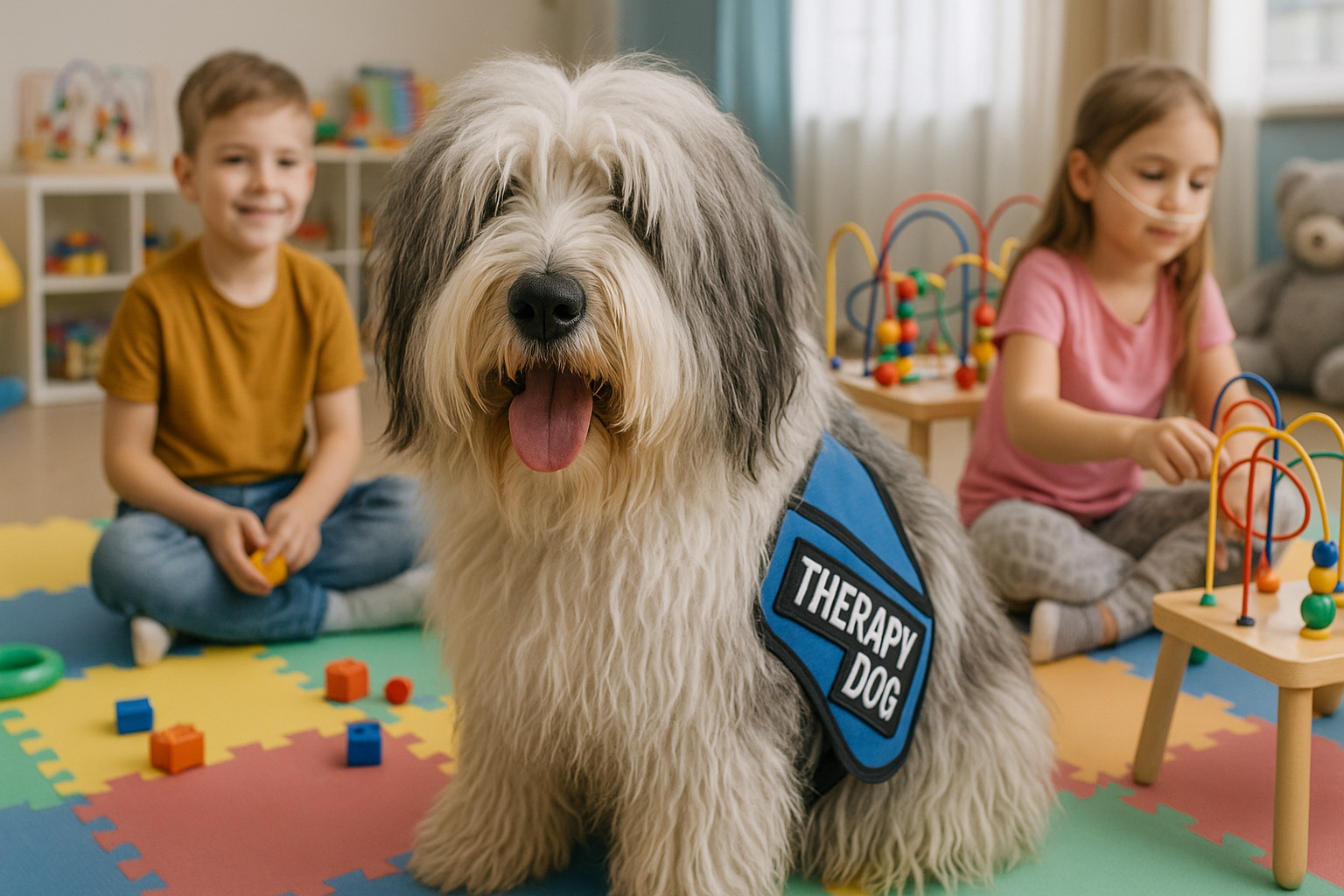
The Polish Lowland Sheepdog, often referred to by its native name, "Polski Owczarek Nizinny" (PON), may not be among the first breeds that come to mind when considering therapy dogs. Nevertheless, their distinct characteristics make them an invaluable asset in therapy settings. This article explores the unique qualities and considerations that make the Polish Lowland Sheepdog an exceptional choice for therapeutic roles.
Polish Lowland Sheepdog as a Therapy Dog Overview
Understanding the Therapy Dog Role
Therapy dogs provide comfort, support, and emotional connection to individuals in various settings by offering unconditional affection and a calming presence. Unlike service dogs, which perform specific tasks for individuals with disabilities, therapy dogs are trained to interact with a wide range of people, offering emotional support and improving overall well-being.
Physical Appearance and Energy Level
Polish Lowland Sheepdogs are medium-sized dogs known for their shaggy coats, expressive eyes, and sturdy build. This breed typically weighs between 30 to 50 pounds and stands about 18 to 20 inches tall. Their thick double coats require regular grooming, yet they contribute significantly to their appeal as cuddly companions.
- Energy Level: PONs are energetic and lively, which can be both an advantage and a challenge in therapy settings. Their energy can lift spirits and bring joy to people, but it also requires balance to ensure they maintain composure during therapy sessions.
Personality and Emotional Intelligence
The Polish Lowland Sheepdog's personality traits align well with the demands of a therapy dog. They are renowned for their intelligence, empathy, and ability to tune into human emotions.
- Empathy and Calmness: PONs display a natural sense of empathy and can often sense when someone is distressed, offering comfort through their presence. Their calm demeanor makes them well-suited for environments requiring patience and gentle interactions.
- Adaptability: They are highly adaptable to various environments, adjusting their behavior to fit the needs of the setting or person they are comforting.
Environments Where Polish Lowland Sheepdog Excels
Given their disposition and capabilities, Polish Lowland Sheepdogs thrive in diverse settings where their empathetic nature can shine.
- Hospitals and Medical Facilities: Their calm demeanor and medium size make them suitable for visiting patients, providing relaxation and distraction from medical issues.
- Schools and Educational Institutions: PONs' energy can engage children, while their patience aids in supportive educational interactions.
- Rehabilitation Centers: Their sensitivity to emotional cues enhances therapeutic processes, aiding in physical and psychological recovery.
Common Therapy Settings
#### Interactions with Different Populations
- Youth and Children: The playful yet gentle nature of PONs can foster positive interactions with children, supporting learning and development.
- Elderly Individuals: Their calm and understanding presence offers comfort to elderly individuals, reducing feelings of loneliness and enhancing social engagement.
Health and Wellness Factors
Maintaining the health of a Polish Lowland Sheepdog is crucial to ensuring its effectiveness as a therapy dog.
Register Any Breed
#### Lifespan and Common Health Issues
PONs have an average lifespan of 12 to 14 years, with generally robust health. However, they are prone to certain genetic disorders such as hip dysplasia and progressive retinal atrophy. Routine veterinary care and health screenings are vital for early detection and management of these conditions.
Maintenance and Care Needs
The PON's distinctive coat requires regular grooming to prevent matting and maintain hygiene, especially important in environments like hospitals or healthcare facilities.
- Grooming: Regular brushing and professional grooming sessions help manage their double coat, reducing shedding and allergens, which is essential for people with sensitivities.
- Exercise: Despite their moderate size, PONs need adequate daily exercise to manage their energy levels and ensure they are calm during therapy sessions.
Training and Certification Readiness
The intelligence and eager-to-please nature of the Polish Lowland Sheepdog contribute positively to their trainability for therapy dog certification.
#### Learning Style and Responsiveness
PONs learn quickly and respond well to positive reinforcement techniques. Their eagerness to engage with humans and their curiosity make training sessions enjoyable and productive.
#### Handling Social and Emotional Stimuli
- Sensitivity: Their ability to handle and respond to various social and emotional stimuli ensures they can maintain focus in potentially chaotic environments—a critical trait for therapy dogs.
- Patience: While naturally energetic, PONs can exhibit remarkable patience when trained properly, staying calm and composed during lengthy or intense therapy sessions.
Strengths, Limitations, and Ideal Roles for Polish Lowland Sheepdog
- Strengths: Their empathetic nature and adaptability make them excellent companions across diverse therapy settings, capable of elevating moods and providing emotional support.
- Limitations: The high energy level requires careful management to prevent them from becoming overstimulated in environments that demand calmness and gentleness.
- Ideal Roles: PONs thrive as therapy dogs in educational facilities, senior living communities, and healthcare environments where their empathy and intelligence can be fully utilized.
Final Thoughts
In summary, the Polish Lowland Sheepdog is a versatile and effective therapy dog option. With the right training, care, and environment, these dogs have the potential to enrich the lives of many people through their unique combination of empathy, adaptability, and intelligence.
Key Takeaways for the Polish Lowland Sheepdog as a Therapy Dog
- Best suited for: Schools, rehabilitation centers, hospitals, and elderly care facilities.
- Not ideal for: Very high-stress environments where even temperament is constantly challenged, or spaces where grooming allergens are a concern.
- Temperament highlights: Empathetic, adaptable, intelligent, and patient.
- Care and health notes: Requires regular grooming and exercise; prone to some genetic health issues.
- Therapy environments where they shine: Child-friendly spaces, supportive rehabilitation centers, and healthcare facilities needing calm companionship.


-
Public Access Kits
$149.00 Learn more This product has multiple variants. The options may be chosen on the product page -
Quick Ship Premium Vests
$48.00 – $82.00 Learn more This product has multiple variants. The options may be chosen on the product page -
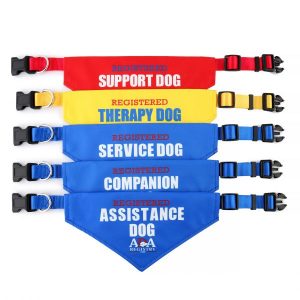
Service Dog Bandana
$39.95 Learn more This product has multiple variants. The options may be chosen on the product page
Custom ID Cards

Custom ID Cards
All States
Canada Cards
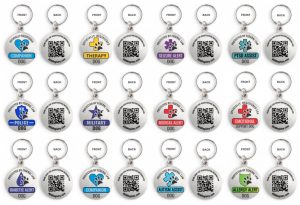
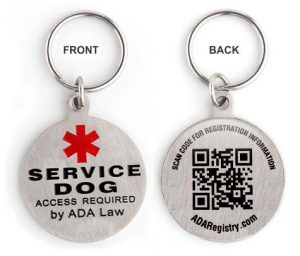
Custom Service Dog Tags
Official Dog Vests
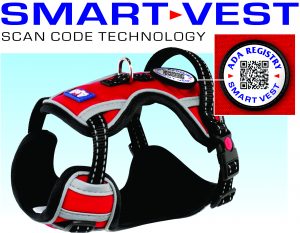
Smart Vests
Official Public Access Kits
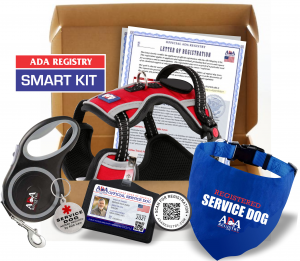
Complete Kits
USA & CANADA Letters
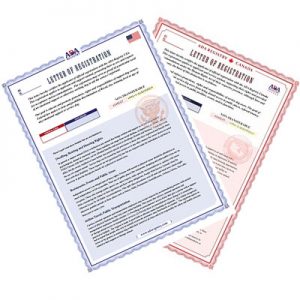
High Quality Bandanas
Service Dog Tags
Smart Tags

ESA TAGS