Pomeranian as a Therapy Dog
Register Any Breed
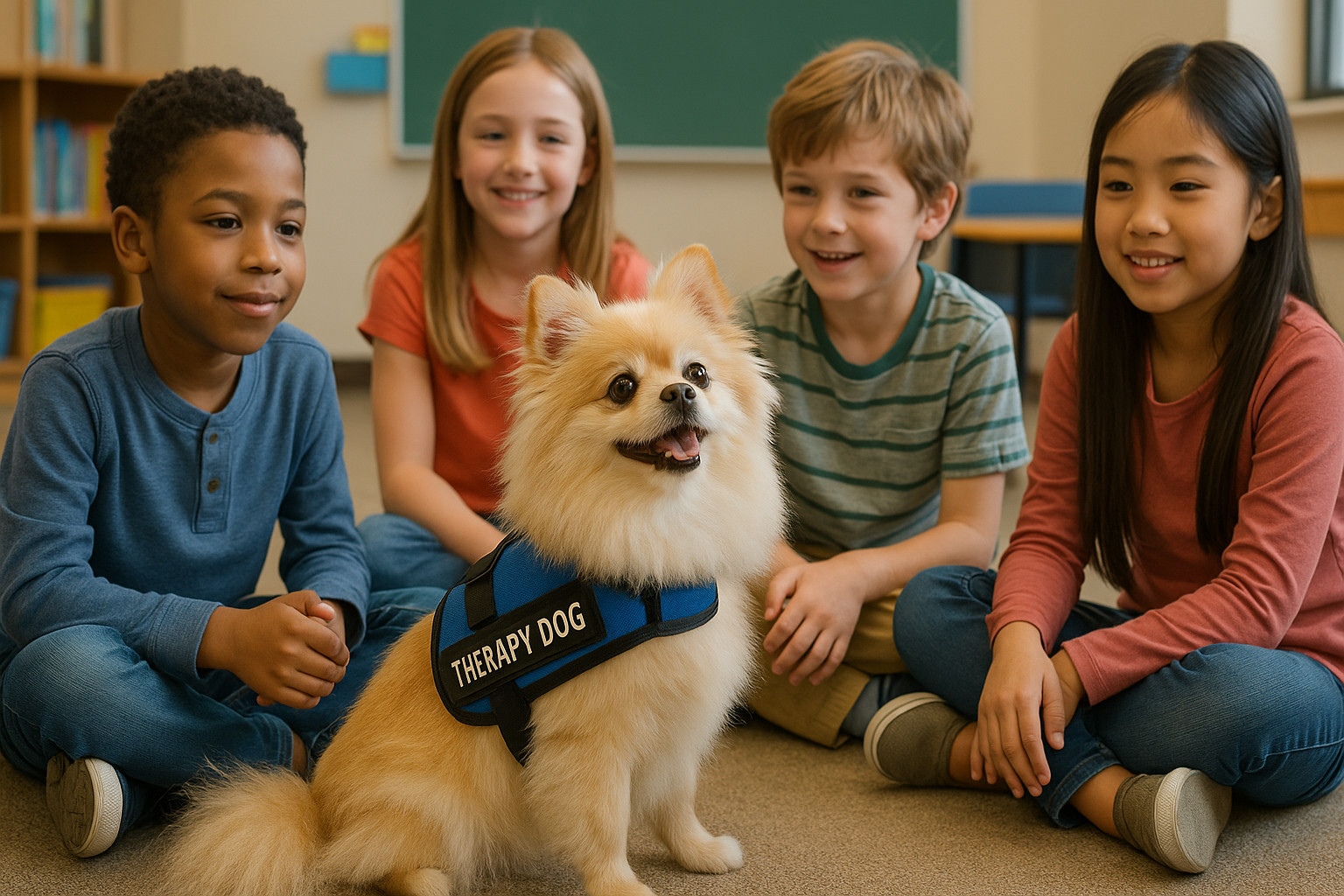
The Pomeranian, with its lively personality and affectionate nature, can be an excellent choice for a therapy dog. When specifically trained, these small and energetic dogs can provide therapeutic benefits to a wide range of individuals, offering comfort, companionship, and emotional support. This article explores the unique traits of Pomeranians that make them suitable for therapy work, focusing on their temperament, energy levels, adaptability, and health considerations.
Pomeranian as a Therapy Dog Overview
Understanding the Therapy Dog Role
Therapy dogs play a vital role in enhancing the well-being of individuals through emotional support and companionship. Unlike service dogs that perform specific tasks for individuals with disabilities, therapy dogs provide comfort to people in hospitals, schools, rehabilitation centers, and other settings. They must exhibit a calm demeanor, be friendly and sociable, and possess the ability to adapt to various environments — qualities often found in Pomeranians.
Physical Appearance and Energy Level
The Pomeranian, known for its plush double coat and diminutive size, typically weighs between 3 to 7 pounds. Their captivating appearance can immediately lift spirits, making them appealing to both children and adults in therapy settings. Despite their small stature, Pomeranians possess a high energy level that needs to be channeled effectively in therapy sessions to prevent overstimulation.
Personality and Emotional Intelligence
One of the Pomeranian’s standout traits is its lively and friendly personality. They are known to establish a strong emotional connection with humans, showing a high level of empathy and understanding. This emotional intelligence makes them adept at recognizing and responding to the needs of individuals during therapy sessions. Their natural curiosity and sociability can help break the ice in settings where individuals might otherwise be reluctant to engage.
Environments Where Pomeranian Excels
Pomeranians excel in environments where their small size and gentle demeanor are advantageous. They are particularly effective in:
- Hospitals: Their compact size allows them to comfortably sit on the laps or beds of patients, offering an intimate and soothing presence.
- Schools: Their energetic nature and approachable figure make them favorites among children, encouraging social interaction and emotional expression.
- Assisted Living Facilities: Their gentle approach helps in establishing connections with the elderly, offering companionship that can alleviate feelings of loneliness.
Common Therapy Settings
The versatility of Pomeranians enables them to thrive in various therapy settings, including:
- Rehabilitation Centers: Where they can motivate patients during physical therapy sessions with their interactive nature.
- Mental Health Facilities: Where their presence can help reduce anxiety and promote emotional healing.
- Libraries: Participating in “reading to dogs” programs where children read aloud to the Pomeranian, boosting literacy skills and confidence in a non-judgmental environment.
Interactions with Different Populations
Pomeranians have a remarkable ability to appeal to diverse populations. They are adept at engaging with:
Register Any Breed
- Children: Their playful approach is naturally captivating, promoting laughter and joy in pediatric settings.
- Adults with Disabilities: Their patient nature can aid in reducing stress and anxiety.
- Elderly Individuals: Providing companionship and a listening ear, Pomeranians can elevate the mood of elderly residents in care homes.
Health and Wellness Factors
The health and well-being of a therapy dog are paramount to ensure they can perform their roles effectively. Pomeranians require regular veterinary check-ups. Common health issues in the breed include dental problems, luxating patellas, and tracheal collapse, which necessitate ongoing preventive care and monitoring. Ensuring they are in optimal health helps them maintain their roles as therapy dogs without discomfort.
Lifespan and Common Health Issues
Pomeranians typically live between 12 to 16 years, allowing them a long career in therapy roles if well cared for. However, they are prone to specific health issues:
- Dental Disease: Regular veterinary dental check-ups are crucial.
- Allergies: Keep baths and grooming consistent to minimize skin conditions.
- Joint and Respiratory Issues: Ensure gentle handling due to their predisposition to certain joint and respiratory problems.
Maintenance and Care Needs
The Pomeranian’s thick coat requires regular grooming to prevent matting and keep them comfortable during visits. This includes:
- Regular Brushing: To maintain coat health and prevent allergies.
- Proper Nutrition: A balanced diet supports their energy levels and overall health.
- Exercise: Daily walks are necessary to manage their energy and prevent behavioral issues.
Training and Certification Readiness
Pomeranians are generally quick learners owing to their intelligence and eagerness to please. Training for therapy roles should focus on developing social skills, obedience, and exposure to different environments and stimuli. Certification as a therapy dog requires:
- Behavioral Assessments: To establish their temperament suitability.
- Socialization Training: Ensures comfort in diverse settings and among various populations.
- Basic Obedience: Commands such as sit, stay, and come are essential.
Learning Style and Responsiveness
Pomeranians are responsive learners, traits which make them adept at absorbing training commands quickly. Their training should be consistent and positive, incorporating:
- Positive Reinforcement: Use treats and praise to encourage desirable behaviors.
- Consistent Routines: Helps them retain training and develop strong habits.
- Adaptive Challenges: Keep training sessions varied and engaging to prevent boredom and maintain enthusiasm.
Handling Social and Emotional Stimuli
In therapy settings, Pomeranians must demonstrate the ability to handle various social and emotional stimuli without becoming overwhelmed. Their training should ensure they:
- Remain Calm: In busy environments that may otherwise be distracting.
- Empathize: Showing understanding and comfort in high-emotion scenarios.
- Adapt Quickly: To changes in routine or location to provide reliable support.
Strengths, Limitations, and Ideal Roles for Pomeranian
The Pomeranian’s strengths, such as their engaging personality, ability to connect emotionally, and compact size, make them well-suited for therapy work. Potential limitations include their tendency to become overexcited or anxious in unfamiliar environments. Ideal roles for Pomeranians involve settings where one-on-one interactions are possible, particularly in hospitals, schools, and care homes for elderly residents.
Final Thoughts
Pomeranians, with the right training and care, can be standout therapy dogs. Their lively nature, ability to form deep connections with people, and ability to fit comfortably into various therapy environments make them an invaluable asset in supporting the mental and emotional well-being of individuals in need.
Key Takeaways for the Pomeranian as a Therapy Dog
- Best suited for: One-on-one and small group settings, including schools, hospitals, and assisted living facilities.
- Not ideal for: Highly stressful or chaotic environments due to potential overstimulation.
- Temperament highlights: Friendly, empathetic, playful, and attentive.
- Care and health notes: Regular grooming, preventive health care, and exercise are vital.
- Therapy environments where they shine: Pediatric care, literacy programs, geriatric care, and rehabilitation settings.
By understanding these nuances, trainers, volunteers, and healthcare professionals can effectively incorporate Pomeranians into their therapy programs, enhancing the lives of many with their joyful presence.


-
Public Access Kits
$149.00 Learn more This product has multiple variants. The options may be chosen on the product page -
Quick Ship Premium Vests
$48.00 – $82.00 Learn more This product has multiple variants. The options may be chosen on the product page -
Service Dog Bandana
$39.95 Learn more This product has multiple variants. The options may be chosen on the product page
Custom ID Cards

Custom ID Cards
All States

Canada Cards

Custom Service Dog Tags
Official Dog Vests

Smart Vests
Official Public Access Kits
Complete Kits
USA & CANADA Letters
High Quality Bandanas
Service Dog Tags
Smart Tags
ESA TAGS