Puli as a Therapy Dog
Register Any Breed
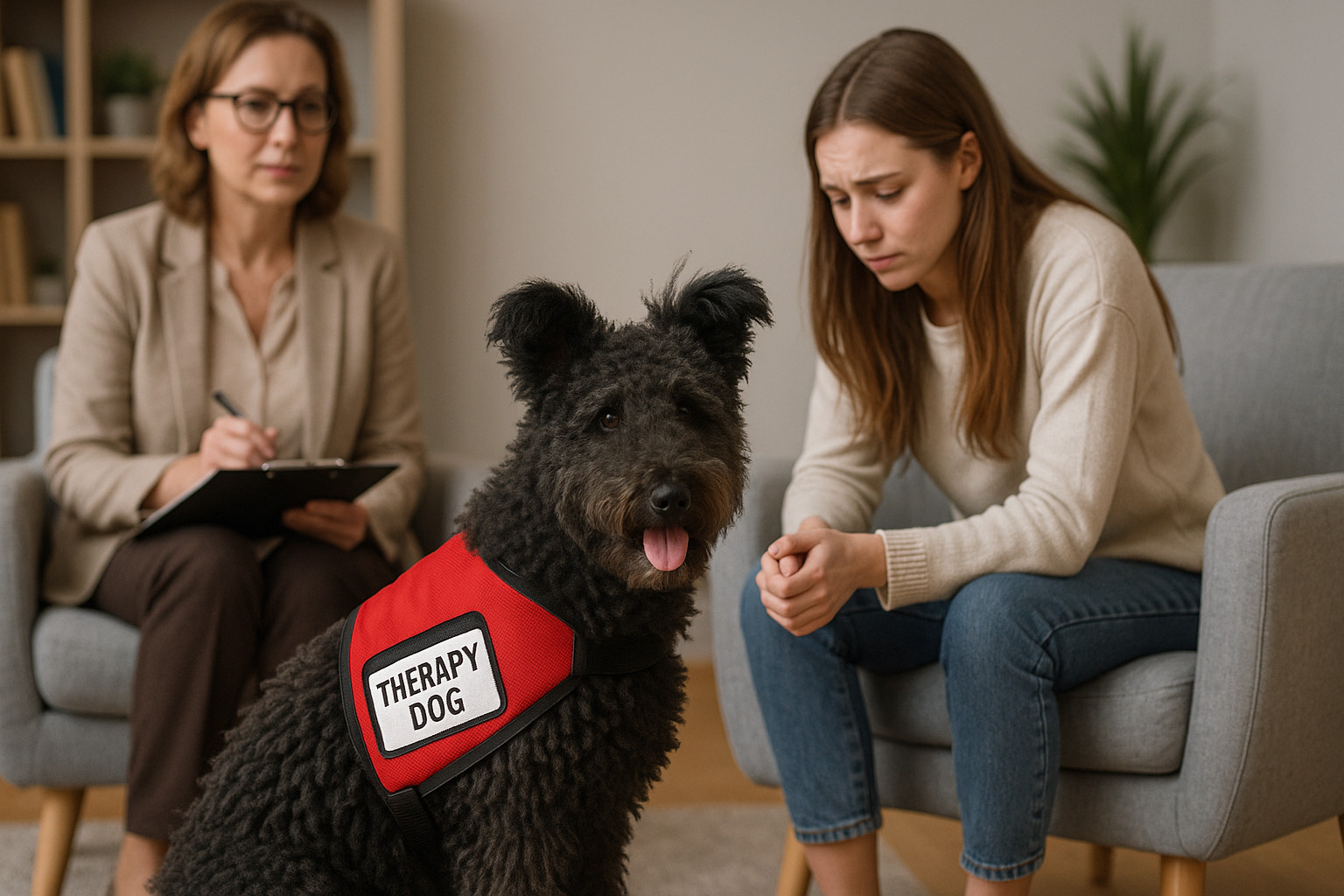
The Puli, known for its distinctive corded coat and lively disposition, is a fascinating breed when considered for therapy work. This article delves into the various facets of the Puli as a therapy dog, evaluating their temperament, behavior, environmental adaptability, health, and training requirements. Our comprehensive guide aims to provide insights beneficial for therapy dog trainers, volunteers, and healthcare professionals interested in incorporating the Puli into their programs.
Puli as a Therapy Dog Overview
The Puli, a Hungarian herding breed, is more than just a captivating bundle of energy; it's a dog with a historical propensity for working closely with humans. Although Pulis are traditionally known for their outstanding herding capabilities, their temperament and adaptability can also make them exceptional candidates for therapy work.
Understanding the Therapy Dog Role
Therapy dogs serve a unique and essential role in various settings. Unlike service dogs, which are trained to perform specific tasks for individuals with disabilities, therapy dogs provide emotional comfort and support to a wider audience. They frequent hospitals, schools, and nursing homes, bringing solace and joy wherever they go. A suitable therapy dog must be patient, gentle, and responsive to various human emotions.
Physical Appearance and Energy Level
The Puli's appearance is striking, with its dense, corded coat being one of its most recognizable features. This coat not only serves a protective purpose but can also be a source of tactile comfort, making the Puli particularly enjoyable for touch-based therapy exercises. Energy-wise, Pulis are vibrant and lively, traits that can both aid and challenge their therapy work:
- Positive Aspects:
- Their high energy levels ensure they remain engaged throughout therapy sessions.
- Their playful nature can help lift spirits and foster interaction with clients.
- Challenges:
- They require regular exercise to manage energy levels effectively.
- Without sufficient outlets for their energy, Pulis may become restless or overly excitable in therapy settings.
Personality and Emotional Intelligence
Pulis are known for their intelligence and perceptiveness, often forming strong bonds with humans. Their keen sense of empathy allows them to detect and respond to human emotions efficiently. In therapy contexts, this breed can exhibit:
- Empathy and Sensitivity:
- The ability to recognize and respond to a range of emotional cues from different individuals.
- A natural inclination towards affectionate and comforting behaviors, which are key to effective therapy work.
- Adaptability:
- While generally adaptable, their comfort with new environments depends largely on socialization during puppyhood.
- Pulis perform best in therapy roles when they've been gradually exposed to various settings and stimuli.
Environments Where Puli Excels
The adaptability and vivaciousness of the Puli make it suitable for a variety of therapy environments, although some are more fitting than others.
Common Therapy Settings
In choosing the right settings for a Puli's therapy work, it's essential to consider their strengths and limitations:
Register Any Breed
- Hospitals and Rehabilitation Centers:
- Environments that benefit from the Puli's intuitive and comforting presence.
- Their hypoallergenic coat suits sterile conditions, though regular grooming is necessary to maintain cleanliness.
- Schools and Educational Programs:
- Their playful energy and gentle demeanor make them excellent participants in educational programs, especially for children.
- Interaction with children can enhance learning and emotional understanding.
- Challenges in Senior Centers:
- While affectionate, their higher energy levels may not always align with the calm required in some senior care environments.
Interactions with Different Populations
The Puli's interactions vary across different demographics, requiring consideration of their strengths and limitations:
- Children:
- Their playful nature often resonates well with children, aiding emotional and educational development.
- Their exuberance may require monitoring to ensure they do not overwhelm shy or introverted children.
- Adults:
- Adults may find comfort in the Puli's reassuring presence, especially in clinical settings focused on mental health and rehabilitation.
- Pulis often establish quick rapport with adults, enhancing therapy engagement.
- Elderly:
- While capable of providing comfort, the energy level may need management to prevent overwhelming elderly clients.
- Training should focus on calm behaviors for senior interactions.
Health and Wellness Factors
For a Puli to succeed as a therapy dog, it's paramount to ensure their health and well-being are prioritized. Health influences their adaptability and ability to engage positively with therapy participants.
Lifespan and Common Health Issues
Pulis usually enjoy a lifespan of 12-16 years, showcasing robust health overall. However, being mindful of potential health concerns is critical:
- Common Health Issues:
- Hip dysplasia and cataracts can affect older Pulis.
- Regular veterinary check-ups can help mitigate and manage potential conditions.
- Impact on Therapy Work:
- Vigilant health monitoring ensures the Puli remains engaged and fit for therapy roles.
- Understanding their physical limits helps tailor therapy activities to avoid strain.
Maintenance and Care Needs
With their distinctive coat, Pulis demand regular grooming to ensure hygiene and comfort, especially in therapy environments:
- Grooming:
- Maintaining their corded coat is essential for hygiene and appearance.
- Regular cleaning and cord separation prevent matting and skin issues.
- Exercise:
- Daily physical activity helps manage their energy levels, contributing to successful interactions in therapy settings.
- Creative exercise methods can also engage and stimulate them mentally.
Training and Certification Readiness
Training a Puli for therapy certification involves a nuanced understanding of their learning style, emotional intelligence, and adaptability to varied environments.
Learning Style and Responsiveness
Pulis are intelligent and eager to learn, making them quick studies in therapy dog training:
- Training Approach:
- Positive reinforcement helps harness their intelligence and encourages desirable behaviors.
- Consistent, gentle training avoids overwhelming their sensitive nature.
- Behavioral Challenges:
- Early socialization is necessary to cultivate confidence and ease in diverse settings.
- Tailored training addresses any tendency toward overexuberance in interaction.
Handling Social and Emotional Stimuli
Pulis thrive when trained to handle diverse stimuli, displaying remarkable resilience and understanding:
- Social Interactions:
- They can navigate complex human emotions, often intuitively providing comfort and support.
- Encouraging calm responses to stimuli can enhance their effectiveness in varied therapy contexts.
- Emotional Adaptability:
- Pulis often show an innate ability to adjust their behavior to the emotional needs of clients.
- Training should emphasize empathy and patient interaction.
Strengths, Limitations, and Ideal Roles for Puli
Understanding the Puli's comprehensive profile helps identify therapy roles where they can excel while acknowledging potential challenges:
- Strengths:
- Their high intelligence and responsive nature make them ideal for dynamic environments like schools and rehabilitation programs.
- Their corded coat and engaging disposition are comforting and reassuring to therapy participants.
- Limitations:
- Managing their high energy is crucial to prevent overexposure and stress in calm settings.
- Their need for consistent grooming requires commitment but ensures they meet hygiene standards.
Final Thoughts
The Puli brings a distinctive blend of energy, intelligence, and empathy, making it a viable therapy dog candidate for specific settings. Their training needs, health maintenance, and innate playful nature should be carefully managed to leverage their therapeutic potential fully.
#### Key Takeaways for the Puli as a Therapy Dog
- Best suited for: Dynamic environments like schools and rehabilitation centers where their energy and intelligence enrich interactions.
- Not ideal for: Reserved settings with low activity levels, such as some senior care facilities, unless energy management strategies are in place.
- Temperament highlights: Intelligent, empathetic, playful, and responsive, capable of forming profound connections with diverse populations.
- Care and health notes: Requires consistent grooming and exercise; regular health check-ups ensure ongoing therapy suitability.
- Therapy environments where they shine: Hospitals, educational programs, and family-oriented therapeutic settings, where their playful and comforting nature can be fully appreciated.
This article serves as a valuable guide for those looking to incorporate Pulis into their therapy practice, emphasizing their unique characteristics and potential contributions to animal-assisted therapy.


-
Public Access Kits
$149.00 Learn more This product has multiple variants. The options may be chosen on the product page -
Quick Ship Premium Vests
$48.00 – $82.00 Learn more This product has multiple variants. The options may be chosen on the product page -
Service Dog Bandana
$39.95 Learn more This product has multiple variants. The options may be chosen on the product page
Custom ID Cards

Custom ID Cards
All States

Canada Cards

Custom Service Dog Tags
Official Dog Vests

Smart Vests
Official Public Access Kits
Complete Kits
USA & CANADA Letters
High Quality Bandanas
Service Dog Tags
Smart Tags

ESA TAGS