Pumi as a Therapy Dog
Register Any Breed
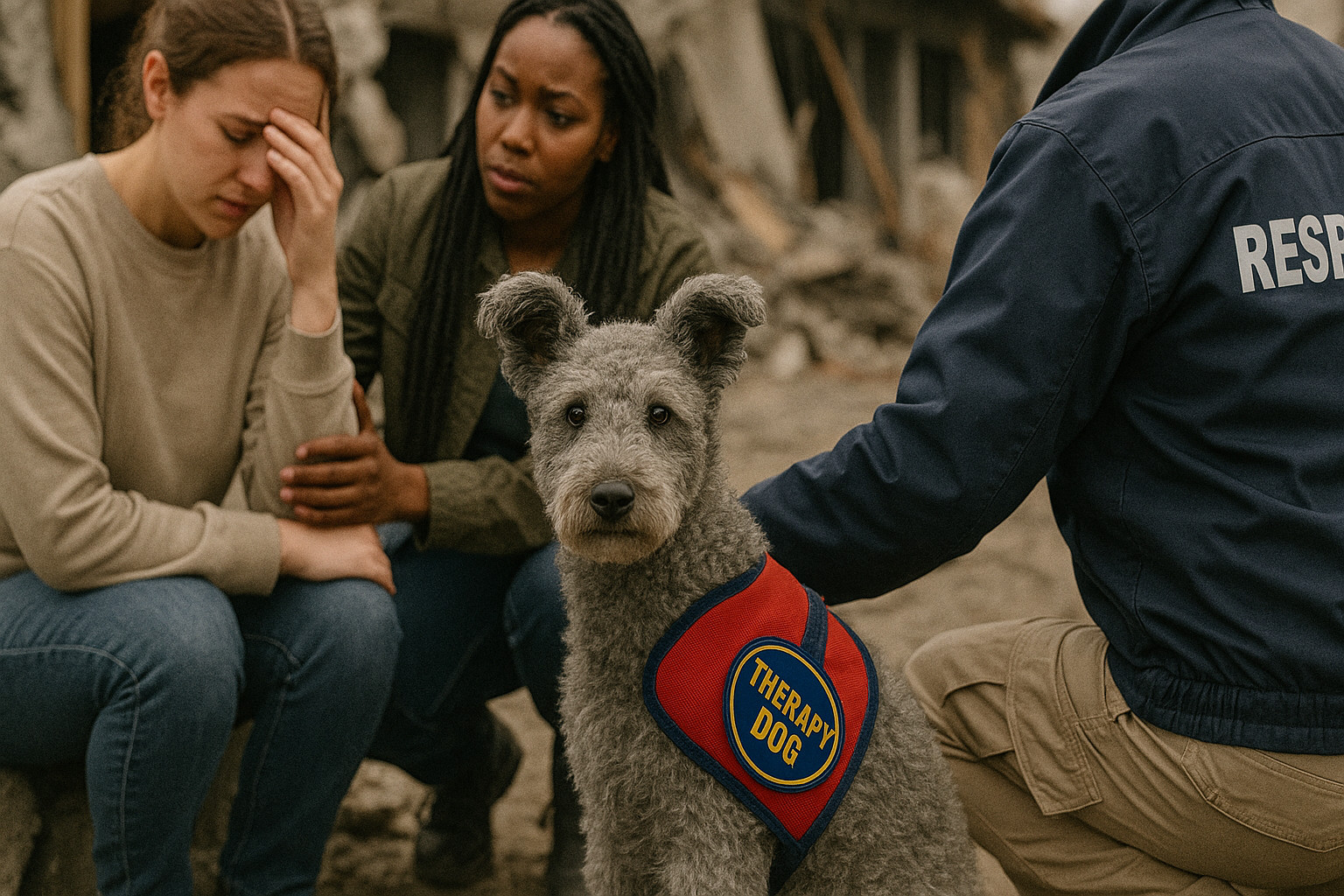
Pumi as a Therapy Dog Overview
The Pumi, originally from Hungary, is known for its intelligence, energetic nature, and sociable disposition. While traditionally seen as a herding dog, the Pumi's attributes have recently gained recognition in the realm of animal-assisted therapy. This article explores the Pumi's suitability as a therapy dog, focusing on their temperamental and physical traits that can influence their effectiveness in therapeutic environments.
Understanding the Therapy Dog Role
Therapy dogs are utilized to offer comfort, companionship, and emotional support. They participate in structured animal-assisted therapy sessions aimed at improving patients' mental, emotional, and physical well-being. Their role is distinct from service or emotional support animals, as they primarily focus on interactive tasks within healthcare and social settings. The Pumi's inclination toward social interaction and learning positions it as a promising candidate for these roles, offering unparalleled engagement that can uplift spirits and ease anxiety.
Physical Appearance and Energy Level
The Pumi is medium-sized with a signature curly coat that is both hypoallergenic and low-shedding, making them suitable for environments with strict hygiene regulations. They are energetic and agile, characteristics that can be highly advantageous, especially in dynamic settings like pediatric hospitals or rehabilitation centers. Their vibrant energy needs, though a boon in some cases, require careful management to ensure they can comfortably adapt to calmer environments without becoming overstimulated.
Personality and Emotional Intelligence
Pumik are inherently curious, cheerful, and sociable, traits that contribute significantly to their potential success as therapy dogs. Their keen ability to interpret human emotions allows them to react sympathetically, often providing comfort through intuitive interactions. Moreover, their playful yet gentle demeanor enables them to form quick bonds with diverse groups of people, from children to elderly patients. However, their intelligence demands mental stimulation to prevent boredom, which can affect concentration during therapy sessions.
Environments Where Pumi Excels
- Hospitals: Their hypoallergenic coat and friendly nature are ideal for patient interactions.
- Schools: Pumik can engage children with their playful, vibrant personality.
- Rehabilitation Centers: Their energy and agility make excellent companions during physical therapy.
Common Therapy Settings
- Elderly Care Homes: Pumik are adept at providing emotional support through their attentive demeanor, offering engaging interactions for residents.
- Mental Health Facilities: Their empathetic nature helps in reducing anxiety and stress, fostering a calming presence that complements therapeutic interventions.
- Children’s Hospitals: Their playful energy can act as a motivator for young patients enduring long-term treatments.
Interactions with Different Populations
Interacting with various demographic groups, the Pumi’s versatility stands out. They exude warmth and attentiveness with elderly individuals, often sparking joy and facilitating reminiscence. With children, their patience and playfulness come to the fore, enabling them to partake in activities that encourage social interaction and cooperation. Adults experiencing stress or trauma find comfort in their empathetic presence and capacity for attentive listening, which can significantly aid emotional healing.
Health and Wellness Factors
Maintaining a Pumi’s health is instrumental in its effectiveness as a therapy dog. Regular veterinary check-ups ensure they are physically fit to engage in activities across diverse settings. They typically enjoy a long lifespan, but are prone to certain genetic conditions. Vigilance in grooming also plays a critical role – their curly coat requires regular brushing to prevent matting and to maintain its hypoallergenic properties, ensuring safe interactions, especially with sensitive individuals.
Lifespan and Common Health Issues
Pumik generally have a lifespan of 12-14 years. Known health issues include hip dysplasia and patellar luxation, common in many herding breeds. Regular vet examinations and a balanced diet can aid in managing these conditions, preserving their well-being and readiness for therapy work. Keeping them in optimal health facilitates sustained participation in therapy sessions over their lifetime.
Register Any Breed
Maintenance and Care Needs
Regular grooming, balanced nutrition, and adequate exercise are crucial for maintaining a Pumi’s physical and mental health. Their coat requires upkeep to stay clean and hygenic, which is essential to meet the standards necessary for therapeutic environments. Providing varied activities, including agility training or interactive play, helps manage their energy levels and aids in reinforcing disciplined behavior during therapy sessions.
Training and Certification Readiness
Pumik are highly trainable, with an eagerness to learn that aligns well with the needs of therapy dog certification. They respond well to positive reinforcement techniques and enjoy tasks that challenge their intelligence. Consistent training, combined with socialization from an early age, prepares them to interact appropriately across various therapeutic scenarios, complying with protocol and commands efficiently.
Learning Style and Responsiveness
Pumik thrive on mental challenges due to their high intelligence. They respond best to engaging, varied training methods. Their responsiveness to commands is enhanced by their alert nature and keen interest in pleasing their handlers. This learning style proves advantageous in ensuring they can adapt quickly to the dynamic demands of therapy sessions, mastering commands and routines essential for effective engagement.
Handling Social and Emotional Stimuli
The Pumi’s ability to handle social and emotional stimuli is marked by their sensitivity to human emotions and adaptability in fluctuating environments. They exhibit patience and remain calm even amidst emotional upheaval, showcasing their competence in soothing distressed individuals. Their agility in social settings allows them to navigate between high-energy playful interactions and calm, comforting presences, tailoring responses to suit the needs of those they share space with.
Strengths, Limitations, and Ideal Roles for Pumi
Strengths:
- Energetic and engaging personality that encourages interaction
- Hypoallergenic coat suited for varied environments
- High intelligence contributing to swift training adaptation
Limitations:
- Requires regular grooming and mental stimulation
- Needs energy management for calmer settings
Ideal Roles:
- Providing companionship in pediatric units
- Interactive engagements in schools and libraries
- Emotional support in elderly care settings
Final Thoughts
The Pumi, with its blend of intelligence, energy, and empathy, holds significant promise as a therapy dog. While their high energy and grooming needs require consideration, their personality and adaptability place them as a favored choice for engaging therapeutic roles. Their capacity to form bonds and provide comfort makes them invaluable partners in therapy, bringing joy and peace to countless individuals.
Key Takeaways for the Pumi as a Therapy Dog
- Best suited for: Pediatric units, schools, elderly care homes
- Not ideal for: Very calm or low-activity environments without careful energy management
- Temperament highlights: Sociable, intelligent, empathetic
- Care and health notes: Requires regular grooming and health checks due to genetic predispositions
- Therapy environments where they shine: Hospitals, rehabilitation centers, mental health facilities


-
Public Access Kits
$149.00 Learn more This product has multiple variants. The options may be chosen on the product page -
Quick Ship Premium Vests
$48.00 – $82.00 Learn more This product has multiple variants. The options may be chosen on the product page -
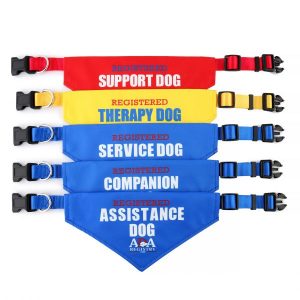
Service Dog Bandana
$39.95 Learn more This product has multiple variants. The options may be chosen on the product page
Custom ID Cards

Custom ID Cards
All States
Canada Cards
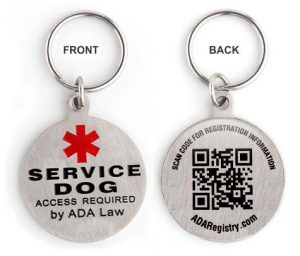
Custom Service Dog Tags
Official Dog Vests
Smart Vests
Official Public Access Kits
Complete Kits
USA & CANADA Letters
High Quality Bandanas
Service Dog Tags
Smart Tags

ESA TAGS