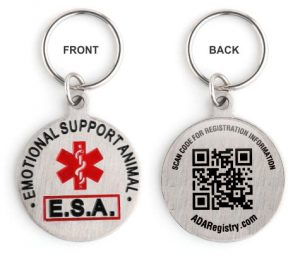
Rhodesian Ridgeback as a Therapy Dog
Register Any Breed
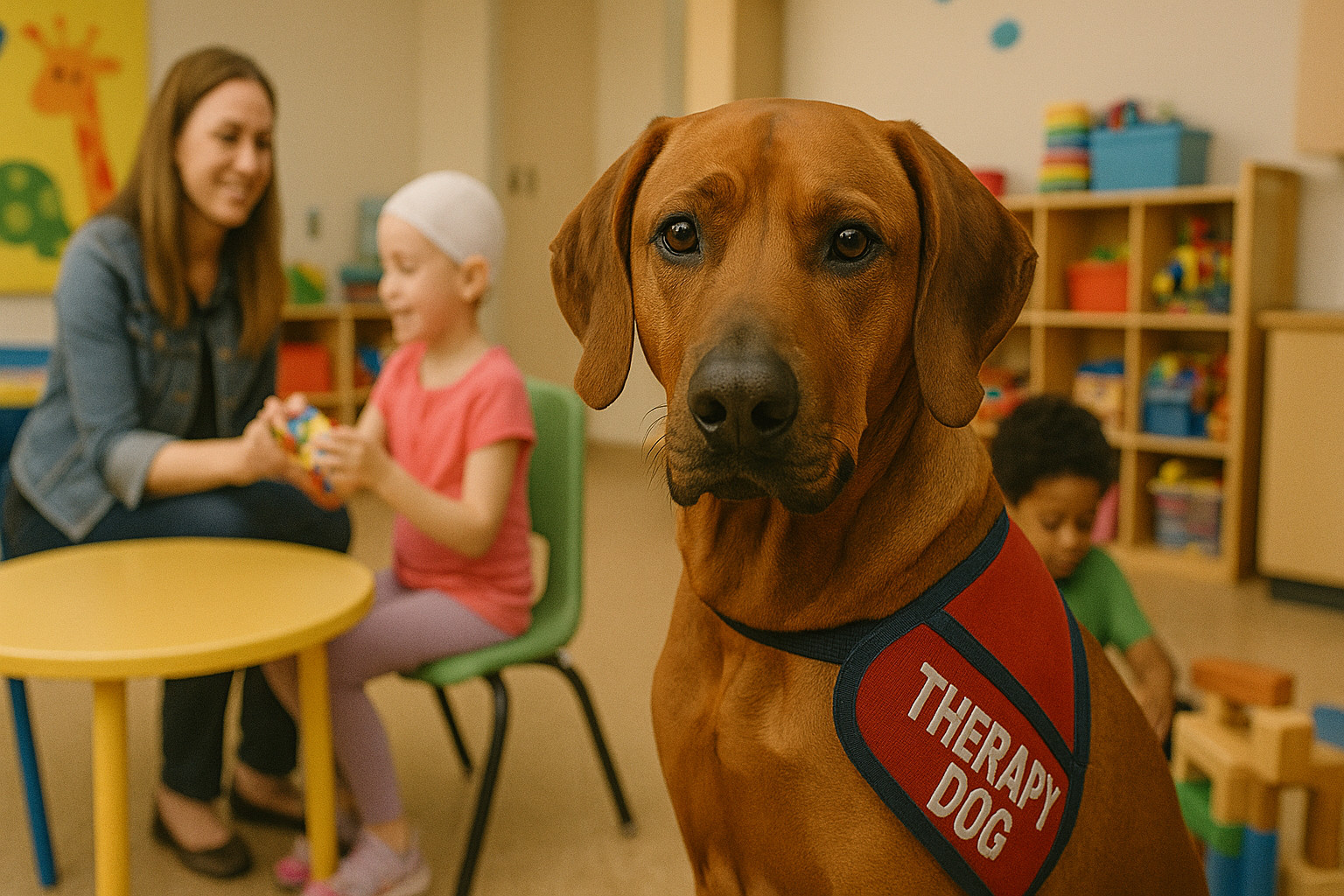
Rhodesian Ridgeback as a Therapy Dog Overview
The Rhodesian Ridgeback, originally bred for hunting lions in Africa, exemplifies strength, intelligence, and independence. While these traits make the breed a formidable hunting companion, they also play a pivotal role in their suitability as therapy dogs. This comprehensive guide explores how the Rhodesian Ridgeback's unique blend of characteristics can make them effective in therapeutic settings, when properly trained and utilized.
Understanding the Therapy Dog Role
Therapy dogs are utilized to provide comfort, companionship, and emotional support to people in various settings, ranging from hospitals and schools to nursing homes and therapy sessions. Unlike service or emotional support dogs, therapy dogs don't have specific duties tailored to one individual; rather, they offer generalized support to many.
Rhodesian Ridgebacks possess natural empathy and a calm demeanor, essential in a therapy dog. These traits allow them to perceive and respond appropriately to human emotions, which is critical in settings requiring comfort and reassurance.
Physical Appearance and Energy Level
Standing out with their distinctive ridge of hair running along their back, Rhodesian Ridgebacks have a strong, muscular build, which exudes a sense of security and steadiness. Their moderate energy levels, combined with an efficient stride, make them well-suited for engaging with therapy clients without overwhelming them.
Therapy environments necessitate a balance of energy—neither too passive nor excessively active. The Ridgeback's ability to modulate their energy, based on the demands of the environment, adds to their suitability as therapy partners.
- Pros: Athletic build enhances confidence in clients; adaptable energy levels
- Cons: Larger size may be intimidating for some clients; requires spacious settings
Personality and Emotional Intelligence
Rhodesian Ridgebacks are known for their loyal and affectionate nature. They typically develop strong bonds with their handlers, which translates into trust and dependability in therapy settings. Their innate intelligence and emotional sensitivity allow them to detect changes in human emotions, providing comfort or joy as needed.
Their ability to read non-verbal cues makes them excellent companions for individuals suffering from psychological stress or emotional disturbances. The breed's gentle interaction encourages emotional expression and healing.
Register Any Breed
Environments Where Rhodesian Ridgeback Excels
Rhodesian Ridgebacks perform admirably in diverse environments, each presenting unique challenges and opportunities:
- Hospitals: Their calm demeanor and empathy help alleviate patient anxiety and stress.
- Schools: Their patience, coupled with an inviting presence, encourages children to engage and learn.
- Rehabilitation Centers: Ridgebacks support emotional recovery through their steady companionship.
Common Therapy Settings
Ridgebacks thrive in settings where their profound empathy can be leveraged effectively:
- Elder Care Facilities: Offering companionship to the elderly, while gently encouraging mobility and interaction.
- Crisis Centers: Their unflinching demeanor provides solace to those dealing with trauma, pain, or crisis situations.
- Palliative Care: Ridgebacks instinctively know when to lend support without intruding, offering quiet comfort.
Interactions with Different Populations
Despite their intimidating size, Ridgebacks can alter their interaction style to suit different age groups and emotional needs:
- Children: Engaging and loving, fostering a sense of safety and joy
- Adults: Providing companionship, empathy, and a non-judgmental presence
- Elderly: Offering gentle support and reducing feelings of isolation
Health and Wellness Factors
Maintaining a Rhodesian Ridgeback's health is crucial because therapy activities demand both physical endurance and mental alertness. Regular veterinary check-ups, a balanced diet, and sufficient exercise are necessary for ensuring optimal health.
- Key health concerns: Hip dysplasia and hypothyroidism
- Regular upkeep: Consistent grooming minimizes allergens and maintains a professional appearance
Lifespan and Common Health Issues
Rhodesian Ridgebacks typically enjoy a lifespan of 10 to 12 years. Potential health issues include hip and elbow dysplasia, which may affect their capacity to perform physical tasks over time. Awareness and management of health risks help ensure their longevity and continued effectiveness in therapy roles.
Maintenance and Care Needs
This breed requires regular grooming, owing to their short coat. Weekly brushing minimizes shedding and keeps their coat healthy. Additionally, routine dental hygiene, nail trimming, and ear cleaning should be part of their care regimen, particularly when engaging with vulnerable populations who might have allergies or sensitivities.
Training and Certification Readiness
Ridgebacks possess high intelligence and a willingness to please, which can be harnessed effectively during therapy dog training programs. Utilizing positive reinforcement techniques, they can quickly learn the behaviors necessary for certification by therapy dog organizations.
Learning Style and Responsiveness
The Rhodesian Ridgeback's adaptive learning style enables them to respond quickly to training. Their natural curiosity and drive for mental stimulation should be channeled through structured training sessions, incorporating both obedience and socialization.
Handling Social and Emotional Stimuli
In therapy settings, Ridgebacks display a natural ability to handle various emotional stimuli. Their calm disposition means they rarely become agitated despite potentially chaotic environments, helping them provide consistent support to clients in need.
Strengths, Limitations, and Ideal Roles for Rhodesian Ridgeback
Strengths:
- Lifelong loyalty and eagerness to bond
- Ability to adapt to emotional and social cues seamlessly
- High threshold for stress and chaos
Limitations:
- Larger size necessitates careful handling and environment consideration
- Independent streak may require more intensive training
Ideal Roles:
- Suitable for environments demanding patient, empathetic interaction, such as palliative care or trauma centers
Final Thoughts
The Rhodesian Ridgeback's unique combination of empathy, adaptability, and strength enables them to excel as therapy dogs across numerous settings. With proper training, care, and awareness of their health considerations, they offer profound, transformative support to those who need it most.
Key Takeaways for the Rhodesian Ridgeback as a Therapy Dog
- Best suited for: Hospitals, palliative care, and rehabilitation centers
- Not ideal for: Small living spaces or environments where size may intimidate
- Temperament highlights: Loyal, empathetic, adaptable
- Care and health notes: Regular exercise and grooming; monitor for hip dysplasia
- Therapy environments where they shine: Crisis intervention, elder care, children's therapy sessions
Following these guidelines, the Rhodesian Ridgeback can become a cherished asset in therapy settings, offering their unique presence to improve emotional and psychological well-being.


-
Public Access Kits
$149.00 Learn more This product has multiple variants. The options may be chosen on the product page -
Quick Ship Premium Vests
$48.00 – $82.00 Learn more This product has multiple variants. The options may be chosen on the product page -
Service Dog Bandana
$39.95 Learn more This product has multiple variants. The options may be chosen on the product page
Custom ID Cards

Custom ID Cards
All States

Canada Cards

Custom Service Dog Tags

Official Dog Vests

Smart Vests
Official Public Access Kits

Complete Kits
USA & CANADA Letters
High Quality Bandanas

Service Dog Tags
Smart Tags

ESA TAGS