
Rottweiler as a Therapy Dog
Register Any Breed
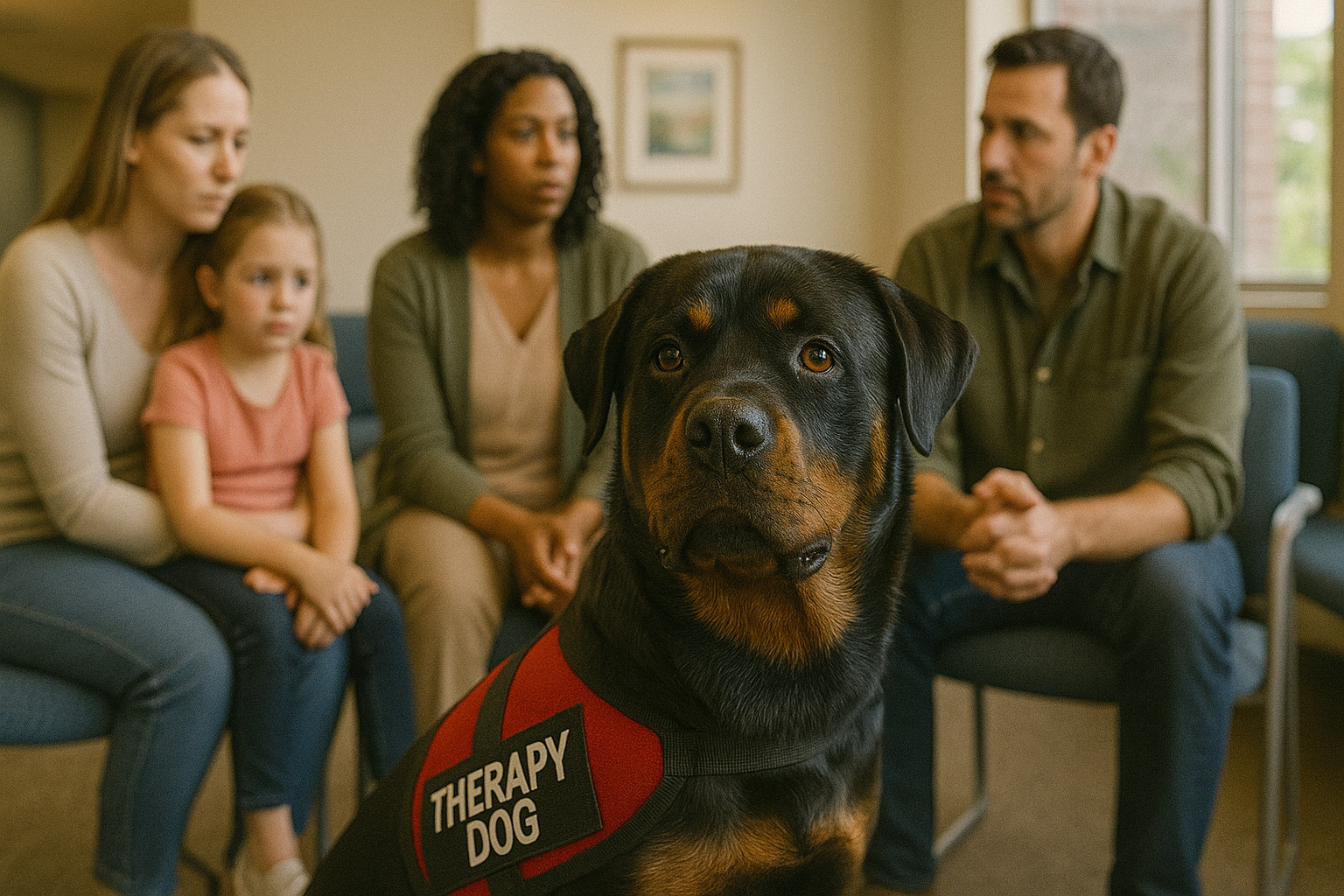
Rottweiler as a Therapy Dog Overview
The Rottweiler is a breed traditionally recognized for its strength and work ethic, but these intelligent and affectionate dogs can also excel as therapy dogs. With the right training and socialization, Rottweilers have the potential to offer emotional support and comfort to a diverse range of individuals in various therapeutic settings. Understanding their unique traits and predispositions is crucial for ensuring their success in this compassionate role.
Understanding the Therapy Dog Role
Therapy dogs are trained to provide comfort, emotional support, and companionship. Unlike service dogs, they do not perform specific tasks for individuals with disabilities; instead, they engage in therapeutic interactions, often in institutions like hospitals, schools, and nursing homes. The effectiveness of a Rottweiler as a therapy dog is closely tied to its ability to remain calm and empathetic, traits that are selectively nurtured through focused training and exposure to diverse environments.
Physical Appearance and Energy Level
Rottweilers are medium-to-large-sized dogs with a robust and muscular build. Their physical presence can be both comforting and reassuring to many individuals looking for stability and grounding. Rottweilers typically possess a moderate energy level, allowing them to adapt to long sessions spent with patients in therapy settings. Their ability to modulate energy according to different environments makes them versatile therapy dogs:
- A structured physical appearance lends them an aura of confidence and security.
- Balanced energy levels ensure they’re neither too excitable nor lethargic.
- Their stamina allows for extended interactions without signs of fatigue.
Personality and Emotional Intelligence
Rottweilers are known for their loyalty and affectionate nature. When trained correctly, they exhibit high levels of emotional intelligence, allowing them to read human emotions effectively. This breed's propensity for bonding strongly with their handlers and those they interact with makes them ideal for forming lasting therapeutic relationships.
- They display a nurturing demeanor, which encourages trust and companionship.
- High levels of empathy make them attuned to emotional cues from various demographics.
- Their adaptability to different emotional climates ensures a calming presence.
Environments Where Rottweiler Excels
Rottweilers shine in environments where their physical stability and emotional affinity can be leveraged to provide comfort to those in need. Their strong build allows them to withstand rigorous, physically demanding settings without becoming overwhelmed.
- Hospitals – Offer physical stability for patients needing support; their calm demeanor aids in reducing stress.
- Schools – Fit well in educational settings where children can benefit from engagement and emotional regulation.
- Rehabilitation Centers – Their empathetic nature helps support recovery and rehabilitation efforts.
Common Therapy Settings
Rottweilers are effective in various therapy settings, including:
- Geriatric Care Facilities – Providing much-needed companionship to the elderly, helping reduce loneliness.
- Psychiatric Wards – Assisting mental health professionals by providing grounding and emotional stability.
- Disaster Response – Offering emotional support in the aftermath of traumatic events.
Interactions with Different Populations
Rottweilers are uniquely capable of connecting with diverse populations thanks to their warmth and resilience. Their ability to maintain a calm demeanor in chaotic environments makes them ideal candidates for therapy roles across a spectrum of needs:
Register Any Breed
- Children – Show patience and gentleness, helping children feel safe and secure.
- Elderly – Provide firm but gentle support, enhancing mobility and social engagement.
- Trauma Survivors – Exude a sense of protection, helping survivors feel at ease.
Health and Wellness Factors
Rottweilers are generally healthy, but like any breed, they are subject to specific health considerations that can affect their performance as therapy dogs. Regular veterinary check-ups and proactive wellness strategies are crucial.
- Diet & Nutrition – A balanced diet supports their physical capabilities throughout therapy activities.
- Exercise & Physical Health – Regular exercise maintains their physical readiness and emotional well-being.
- Preventative Care – Vaccinations and parasite prevention are critical to keep both the dog and their clients safe.
Lifespan and Common Health Issues
The typical lifespan of a Rottweiler ranges from 8 to 10 years. They may encounter common breed-related health issues such as hip dysplasia and arthritis. These conditions could affect their availability or comfort during therapy sessions, thus requiring conscientious management and care.
- Common Issues – Monitor for hip and elbow dysplasia, obesity, and heart issues.
- Early Detection – Regular health assessments can prolong their effectiveness as therapy animals.
Maintenance and Care Needs
Rottweilers require consistent grooming to maintain their double coat, as well as regular dental, ear, and nail care. Their grooming needs impact their readiness to interact with individuals in clinical settings.
- Grooming – Regular brushing reduces shedding; a clean coat assures a pleasant interaction experience.
- Dental Care – Routine cleaning prevents oral diseases that could impact overall health.
- Physical Maintenance – Keeping nails trimmed avoids discomfort or injury during interactions.
Training and Certification Readiness
Rottweilers respond well to structured training, a trait that enhances their capability to attain therapy dog certification. Their inherent intelligence equates to high trainability, provided that training approaches remain consistent, positive, and patient-centric.
- Obedience Training – Crucial for establishing a foundation of discipline and commands.
- Behavioral Conditioning – Essential for refining their ability to remain calm under varied stimuli.
- Certification – Involves adhering to therapy dog standards like those set by organizations such as Therapy Dogs International.
Learning Style and Responsiveness
Rottweilers are quick learners when approached with positive reinforcement techniques. Their responsiveness is heightened by tasks that stimulate both their mind and body, ensuring they remain engaged and effective during therapy sessions.
- Motivational Rewards – Tangible rewards, such as treats, bolster receptive learning behaviors.
- Adaptable Training – Diverse and adaptive methods cater to their distinct personalities and energy levels.
- Consistent Routine – Stability in training fosters reliable and steady performance during therapy visits.
Handling Social and Emotional Stimuli
Rottweilers are generally equipped to handle the varying social and emotional stimuli they might encounter in therapeutic environments. Their training should focus on minimizing reactions to sudden noises or stressful situations, sustaining their emotional balance.
- Desensitization – Essential for reducing reactivity to unfamiliar sights and sounds.
- Social Exposure – Socialization from a young age contributes significantly to their adaptability and confidence.
- Emotional Stability – Guided strategies ensure sustained tranquility during therapy interactions.
Strengths, Limitations, and Ideal Roles for Rottweiler
Rottweilers have numerous strengths that suit therapy roles, such as loyalty, dedication, and an empathetic nature. However, some challenges include stereotypes surrounding their aggression and their significant size, which can be intimidating to some clients.
- Strengths – Empathetic, calm, adaptable, physically supportive.
- Limitations – Require responsible training to mitigate fear-inducing stereotypes and teach proper interaction techniques.
- Ideal Roles – Best suited for settings needing emotional support, stability, and resilience.
Final Thoughts
Rottweilers, with their robust physical and compassionate emotional traits, have a tremendous potential to make a positive impact in therapy settings. Their training, health maintenance, and careful role selection are critical aspects that maximize their effectiveness as therapy dogs, enriching lives with their comforting and reassuring presence.
Key Takeaways for the Rottweiler as a Therapy Dog
- Best suited for: Hospitals, schools, rehabilitation centers, geriatric care facilities, and disaster response.
- Not ideal for: Situations requiring high agility or small, intimate spaces where their size may be a barrier.
- Temperament highlights: Empathetic, loyal, adaptive, emotionally intelligent.
- Care and health notes: Consistent grooming and health check-ups are vital; proactive management of common breed-health issues.
- Therapy environments where they shine: Settings demanding emotional support and stability where their strong, calming presence can thrive.


-
Public Access Kits
$149.00 Learn more This product has multiple variants. The options may be chosen on the product page -
Quick Ship Premium Vests
$48.00 – $82.00 Learn more This product has multiple variants. The options may be chosen on the product page -
Service Dog Bandana
$39.95 Learn more This product has multiple variants. The options may be chosen on the product page
Custom ID Cards

Custom ID Cards
All States

Canada Cards

Custom Service Dog Tags

Official Dog Vests

Smart Vests
Official Public Access Kits

Complete Kits
USA & CANADA Letters

High Quality Bandanas

Service Dog Tags

Smart Tags

ESA TAGS
