Shetland Sheepdog as an Emotional Support Dog
Register Any Breed
Understanding the Emotional Support Role
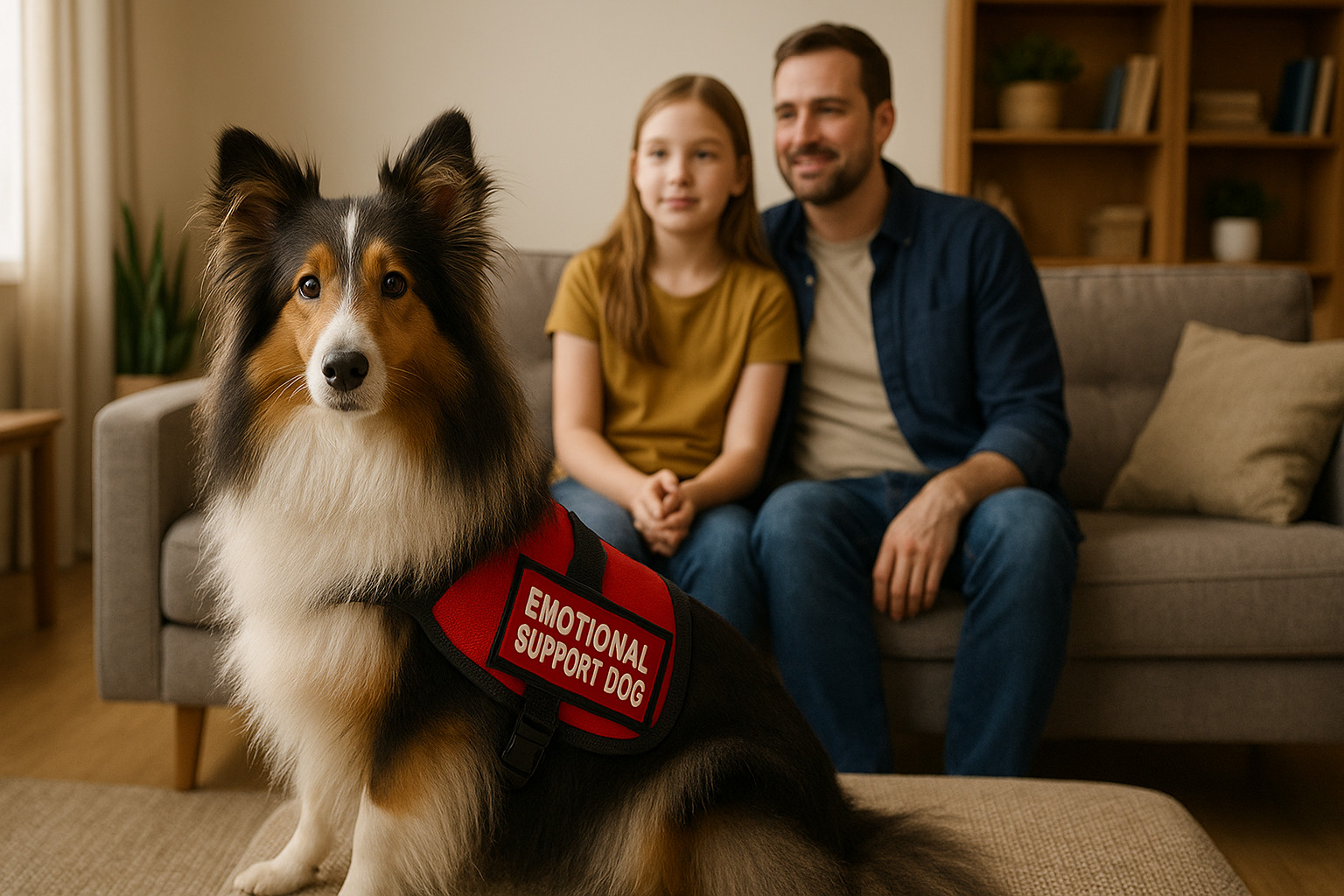
When seeking a loyal, intuitive, and affectionate companion for emotional support, the Shetland Sheepdog (often referred to as the “Sheltie”) is an exceptional choice. This breed combines intelligence, empathy, and sensitivity, making it an ideal candidate for those in need of emotional reinforcement. In this article, we explore how Shetland Sheepdogs excel as emotional support animals and what makes them uniquely suited to this important role.
Shetland Sheepdog Overview
The Shetland Sheepdog, a small to medium-sized herding breed, originated from the Shetland Islands of Scotland. Renowned for their intelligence and agility, Shelties have a striking resemblance to the Rough Collie, embodying a graceful and delicate build. They typically weigh between 15 to 25 pounds and possess a long, dense double coat that adds to their charm. This breed’s history as a working dog imbues it with a keen sense of awareness and an eagerness to please, both of which are vital in providing emotional support.
Temperament and Emotional Connection
Shelties are known for their warm and loving temperament. They forge deep bonds with their owners, providing companionship that extends beyond the physical presence. The Sheltie’s empathetic nature allows it to intuitively sense and respond to human emotions, standing by its owner through thick and thin. Their devotion is evident in their keen desire to engage affectionately, often leaning into their owner’s side or offering a playful nuzzle, which can be incredibly comforting to someone experiencing anxiety or stress.
Adaptability and Daily Behavior
A significant factor contributing to the Sheltie’s suitability as an emotional support dog is its adaptability. Shelties thrive in various environments, from quiet apartments to bustling family homes. They are known for their patience and ability to adjust their energy levels according to their owner’s needs.
- Calm environment: Perfectly suited for individuals who prefer a quieter lifestyle, Shelties are attentive and low-key.
- Active household: For families or active individuals, the Sheltie’s lively spirit offers moments of joy and play, seamlessly integrating into diverse routines.
This versatile adaptability ensures that the Shetland Sheepdog can provide constant companionship, whether during a morning jog or a relaxed evening indoors.
Situations Where Shetland Sheepdog Provides Strong Support
Shelties excel in offering emotional support across several situations, thanks to their alertness and intuitiveness:
- Chronic Anxiety and Stress: Their responsive and sensitive nature can help alleviate feelings of anxiety, acting as a comforting presence during panic attacks or stressful moments.
- Loneliness and Depression: The Sheltie’s unwavering loyalty and affectionate disposition make them excellent for individuals facing loneliness.
- Children with Emotional Needs: In a family setting, Shelties are gentle and patient with children, often becoming a child’s confidant and playmate.
These attributes ensure that the Sheltie provides tangible emotional benefits, boosting mood, and reinforcing a sense of security for its owner.
Register Any Breed
Ideal Living Environments
Shetland Sheepdogs can thrive in different living situations due to their adaptable nature:
- Urban Apartments: Despite their need for regular exercise, Shelties can comfortably live in apartments as long as they receive adequate mental and physical stimulation.
- Suburban Homes: A backyard provides the Sheltie space to roam, coupled with the closeness of family life that the breed so cherishes.
- Assisted Living Facilities: Their calm demeanor is ideal for assisted living residents, providing both companionship and the attentiveness needed to respond to emotional cues.
In each setting, the Sheltie’s ability to gauge and adapt to different energies and needs is apparent, further establishing them as versatile support animals.
Bonds with Different Types of People
The Shetland Sheepdog’s strong bond-forming capability is one of its most remarkable traits. Their connection is deeply empathetic, making them well-suited to a variety of people:
- Individuals Needing Consistent Emotional Support: Their loyalty ensures they remain by their owner’s side, offering continuous emotional backing.
- Families: Shelties are protective and playful, often forming a bond not only with one person but the entire family.
- Elderly Owners: Their calm and gentle nature makes them perfect companions for seniors in need of reliable support and friendship.
Their ability to connect with humans on such an emotional level makes the Sheltie a preferred breed for those seeking companionship and emotional understanding.
Health, Care, and Wellbeing
Common Health Considerations
While generally healthy, Shelties can be predisposed to certain genetic health issues:
- Hip Dysplasia: Regular check-ups can help monitor joint health.
- Collie Eye Anomaly: An eye disease common in herding breeds that requires vet attention.
- Hypothyroidism: Regular tests can manage this hormonal imbalance effectively.
Routine veterinary visits and adherence to recommended health protocols keep a Sheltie healthy, ensuring their ability to provide emotional support remains uncompromised.
Grooming, Comfort, and Maintenance Needs
The long, lush coat of the Sheltie requires regular grooming to keep them comfortable:
- Weekly brushing: Helps manage shedding and prevent matting.
- Seasonal shedding: Additional grooming during shedding seasons ensures a clean and comfortable living environment.
- Dental care: Regular teeth cleaning helps maintain overall health.
Consistent grooming contributes to their comfort and well-being, a vital part of their role as emotional support animals.
Preparing a Shetland Sheepdog for Emotional Support Work
Successfully preparing a Sheltie for emotional support involves:
- Socialization and Training: Early and varied socialization ensures they remain well-mannered and responsive to different situations.
- Basic Obedience Training: Commands like sit, stay, and come ensure they behave predictably, critical in an emotional support role.
Training fosters trust and strengthens the bond with their owner, enhancing the Sheltie’s ability to function as a supportive companion.
Socialization and Responsiveness
Socialization ensures that Shelties remain responsive and adaptable:
- Exposure to diverse environments and situations: Promotes calmness in various settings.
- Interactions with people and other animals: Helps the Sheltie remain affectionate and approachable.
This exposure helps Shelties maintain composure in diverse environments, allowing them to focus on providing emotional support.
Managing Stress and Emotional Cues
A Sheltie’s intuitive nature allows them to manage stress effectively:
- Reading emotional cues: They possess a remarkable ability to differentiate between various emotions, responding according to their owner’s needs.
- Providing physical comfort: The Sheltie’s instinctive cuddles and presence can calm anxiety and provide reassurance.
Their ability to tune into their owner’s emotional state enhances their effectiveness as an emotional support dog.
Strengths, Challenges, and Ideal Homes for Shetland Sheepdog
Shetland Sheepdogs bring numerous strengths to the emotional support role:
- Strengths: Empathy, adaptability, intelligence, and devotion.
- Challenges: High exercise needs and grooming demands may be unsuitable for everyone.
- Ideal Homes: Families, individuals needing consistent companionship, and settings where plenty of interaction is possible.
While they bring numerous positive attributes, understanding their exercise and grooming needs ensures a harmonious relationship.
Final Thoughts
The Shetland Sheepdog is a breed of profound emotional depth and keen intelligence, making it an outstanding choice for emotional support. Their ability to form deep emotional connections and respond to their owner’s needs provides unparalleled companionship and stability. By considering the Sheltie’s traits, living requirements, and care needs, prospective owners can nurture a fulfilling bond that enhances wellbeing and provides meaningful support.
Key Takeaways for the Shetland Sheepdog as an Emotional Support Dog
- Best suited for: Individuals and families looking for loyal, intelligent, and affectionate companionship.
- Not ideal for: Those unable to provide regular exercise and grooming.
- Emotional traits: Empathetic, sensitive, loyal, and adaptable.
- Care and health notes: Requires regular grooming and monitoring for specific health issues.
- Environments where they provide the most comfort: Urban apartments, suburban homes, and assisted living settings.


-
Public Access Kits
$149.00 Learn more This product has multiple variants. The options may be chosen on the product page -
Quick Ship Premium Vests
$48.00 – $82.00 Learn more This product has multiple variants. The options may be chosen on the product page -
Service Dog Bandana
$39.95 Learn more This product has multiple variants. The options may be chosen on the product page
Custom ID Cards

Custom ID Cards
All States

Canada Cards

Custom Service Dog Tags
Official Dog Vests

Smart Vests
Official Public Access Kits
Complete Kits
USA & CANADA Letters
High Quality Bandanas
Service Dog Tags
Smart Tags

ESA TAGS