Shiba Inu as a Service Dog
Register Any Breed
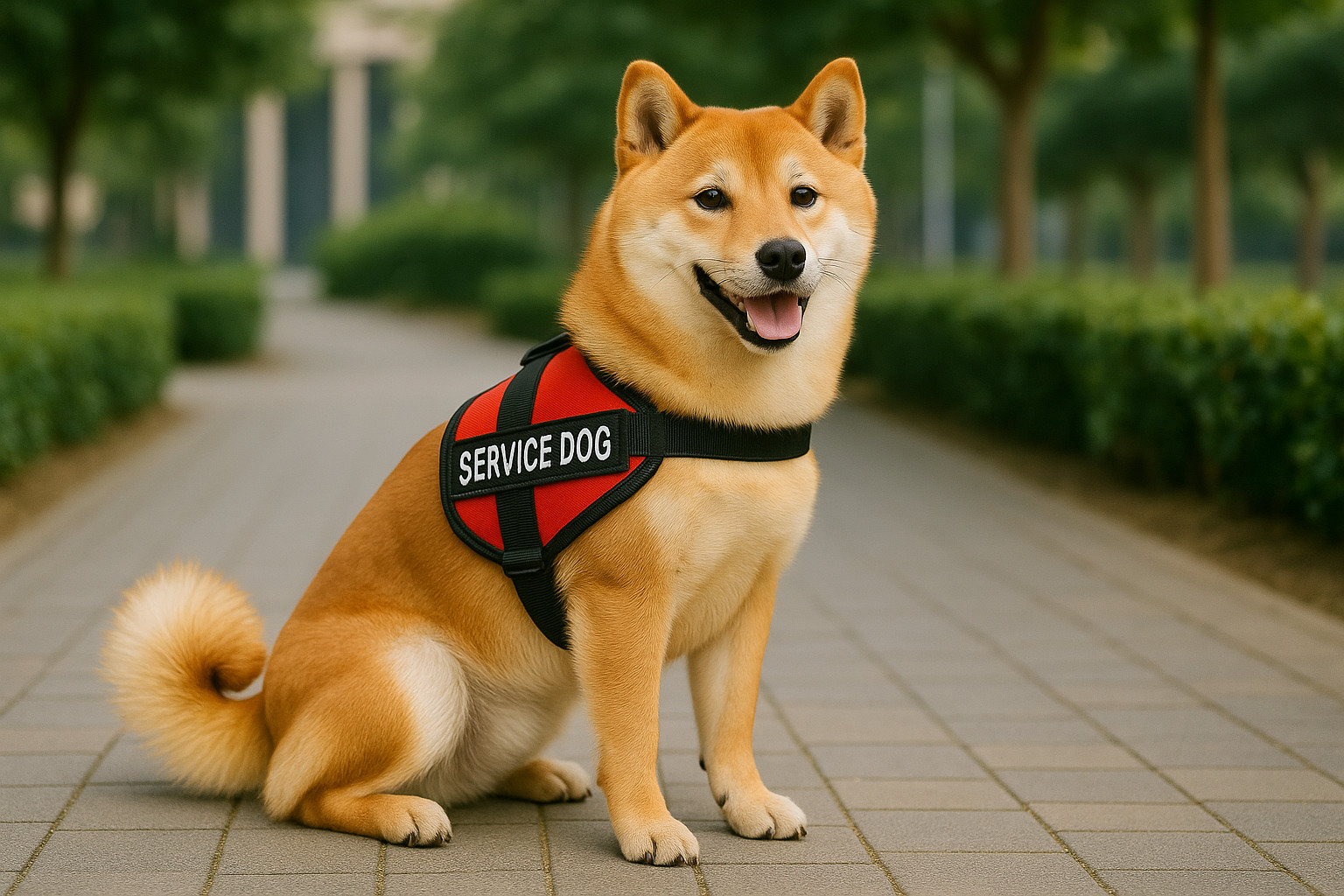
Choosing the right breed for service work involves a deep dive into a dog's physical characteristics, temperament, and overall suitability for various tasks. The Shiba Inu, a breed originating from Japan, is beloved for its spirited nature and striking appearance. Let's carefully analyze the Shiba Inu's potential as a service dog, considering its attributes and how they align with the demands of service work.
Shiba Inu Overview
The Shiba Inu is a small to medium-sized breed known for its fox-like appearance and independent spirit. Originating in Japan, it has been bred for hunting small game. It is one of the most ancient dog breeds, with a lineage that stretches back over 2,000 years.
Physical Characteristics
Shiba Inus have a robust physical form that showcases agility and strength. Despite their relatively diminutive size, their muscular build allows for swift movement and impressive endurance, essential qualities for certain service tasks.
- Size and Build: Standing at about 13.5 to 16.5 inches at the shoulder and weighing between 17 to 23 pounds, Shiba Inus are compact but sturdy. Their size makes them ideal for individuals in need of a smaller service companion.
- Coat and Appearance: Sporting a double coat, they are equipped for various climates. Their coats are dense and can be red, black and tan, or sesame.
- Energy Levels: The breed is energetic and requires regular exercise. This trait benefits service work that involves active engagement and movement.
While the Shiba Inu’s physical size is versatile for numerous environments, it limits their ability to perform tasks that require carrying heavy loads or providing physical support.
Temperament and Attitude
The Shiba Inu's temperament is a significant factor in determining its suitability for service work. Their behavior in public and stressful environments can vary, affecting their performance in supportive roles.
- Independence: Known for its strong-willed nature, the Shiba Inu can be quite independent. This independence can be beneficial for certain types of service work but may also pose challenges during training.
- Socialization: They are generally reserved with strangers, which can be advantageous in public settings where calmness is needed. However, extensive socialization is crucial to prevent aloofness or anxiety.
- Intelligence: Shiba Inus are intelligent and adept problem solvers, making them capable learners for specific tasks.
Their independence and sometimes aloof demeanor may hinder roles that require complete attentiveness and constant interaction, such as guide dog work.
Types of Service Work
While Shiba Inus are not the conventional choice for service work, they are uniquely suited for specific roles due to their characteristics.
Register Any Breed
- Alert Tasks: Their keen senses make them potential candidates for medical alert roles, such as signaling a diabetic alert or detecting allergens.
- Emotional Support: Their compact size and affectionate nature can provide comfort and companionship, making them ideal emotional support animals (ESAs).
- Therapy Sessions: With the right training, their friendly demeanor can be harnessed in therapy sessions, offering comfort to individuals in hospitals or nursing homes.
The Shiba Inu's capacity for service is beneficial in alert and companion roles but may not extend to tasks requiring physical support or continuous task execution.
Health Considerations
Any breed chosen for service work should be evaluated for health stability, ensuring they are capable of performing their duties without physical limitations.
- Common Health Issues: Shiba Inus can be prone to allergies, hip dysplasia, and eye issues like cataracts or glaucoma.
- Lifespan and Stamina: They typically enjoy a lifespan of 12–15 years with vibrant health, though regular veterinary check-ups are essential to monitor hereditary conditions.
Given these potential health issues, a thorough health assessment is critical to ensure a Shiba Inu is fit for service tasks.
Training and Suitability
The training process for Shiba Inus, while possible, demands patience and a tailored approach.
- Trainability: Their intelligence assists in training, yet their stubbornness can challenge trainers. Positive reinforcement is recommended for effective learning.
- Suitability: Shiba Inus excel in roles that allow for adaptability and alertness but might struggle in tasks requiring ongoing focus without frequent breaks.
New trainers might find Shiba Inus challenging, but experienced handlers can leverage their inherent traits with appropriate techniques.
Summary of Shiba Inu
After examining the Shiba Inu, it's clear that while they offer unique contributions to service work, they also present distinct challenges. Here is a summary of their strengths and weaknesses:
Strengths
- Ideal size for environments needing smaller service animals.
- Keen sense of alertness suitable for medical alerts.
- Affectionate and calm demeanor, beneficial for emotional support roles.
Weaknesses
- Stubbornness may render some traditional training techniques less effective.
- Prone to certain hereditary health conditions that could limit service lifespan.
- Aloofness with strangers could interfere with social interactions in public settings.
Ideal Service Roles
- Medical alert tasks
- Emotional support animals
- Therapy assistance
In conclusion, the Shiba Inu can thrive in specific service dog roles when matched with handlers who appreciate their unique behavioral traits and are committed to thorough, patient training practices. Careful consideration of their strengths, limitations, and personality traits ensures the best fit for both the dog and the handler.


-
Public Access Kits
$149.00 Learn more This product has multiple variants. The options may be chosen on the product page -
Quick Ship Premium Vests
$48.00 – $82.00 Learn more This product has multiple variants. The options may be chosen on the product page -
Service Dog Bandana
$39.95 Learn more This product has multiple variants. The options may be chosen on the product page
Custom ID Cards
Custom ID Cards
All States
Canada Cards
Custom Service Dog Tags
Official Dog Vests
Smart Vests
Official Public Access Kits
Complete Kits
USA & CANADA Letters
High Quality Bandanas
Service Dog Tags
Smart Tags
ESA TAGS