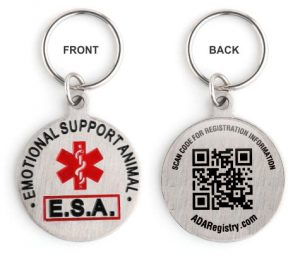
Shiba Inu as a Therapy Dog
Register Any Breed
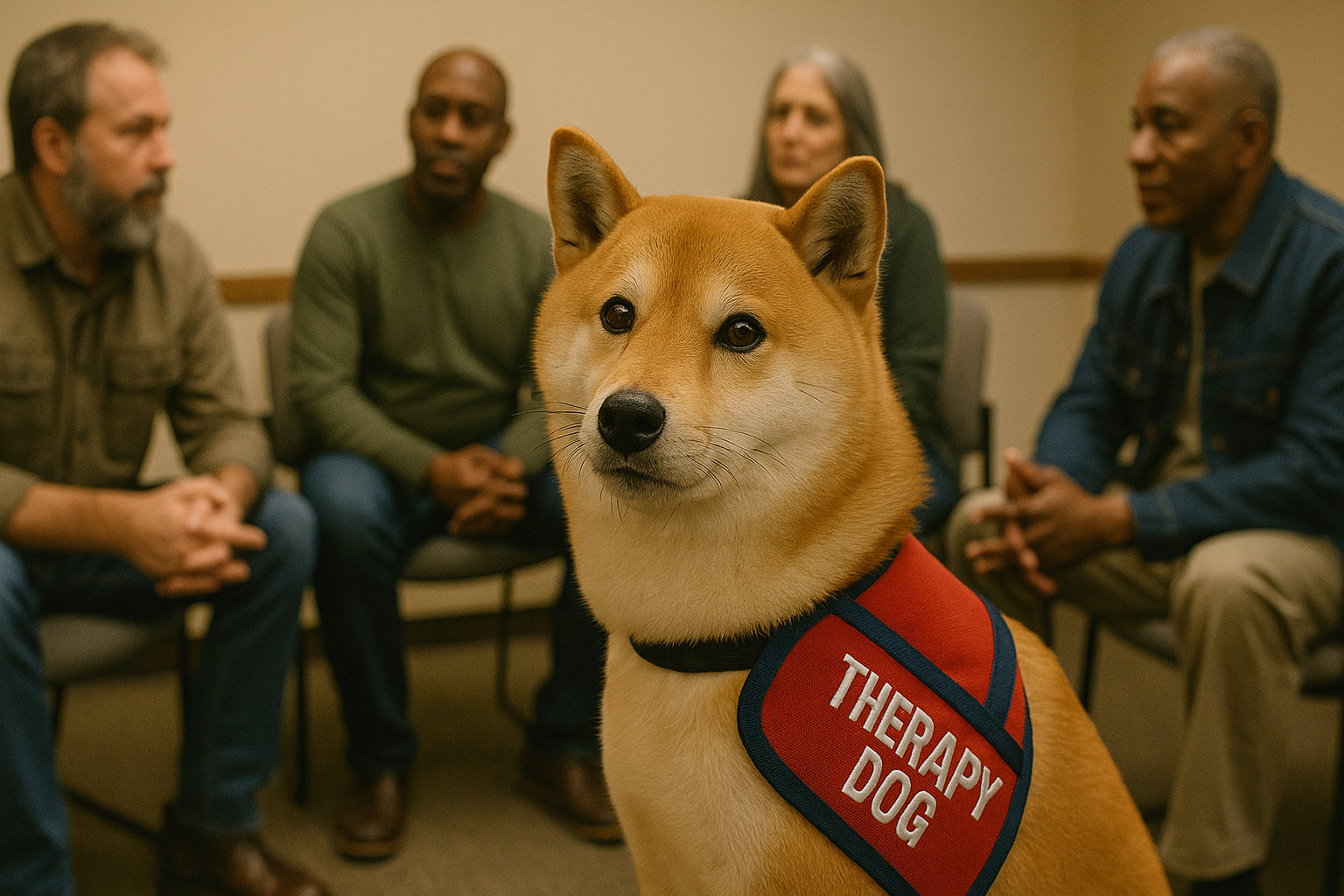
The Shiba Inu, a beloved and intelligent breed originating from Japan, is most often recognized for its spirited temperament and striking appearance. While traditionally not the first choice for therapy work due to its independent nature, the Shiba Inu can indeed thrive in therapy settings with the appropriate training and temperament. This article explores the potential of Shiba Inus in therapy roles and provides a detailed guide for those considering training them for animal-assisted interventions.
Shiba Inu as a Therapy Dog Overview
Understanding the Therapy Dog Role
Therapy dogs are more than just companions — they serve as catalysts for emotional breakthroughs and healing in various settings. They provide comfort and companionship, often helping to alleviate stress, anxiety, and depression in hospitals, nursing homes, schools, and other community-based institutions.
A successful therapy dog must possess traits such as empathy, calmness, and adaptability to interact positively with patients or clients. They are not to be confused with service dogs, which perform specific tasks for individuals with disabilities, nor with emotional support animals, which do not require special training. The Shiba Inu's unique blend of characteristics can make them particularly suitable for therapy roles if their natural instincts are properly channeled.
Physical Appearance and Energy Level
Shiba Inus are small to medium-sized dogs with a robust build and an impressive double coat that is plush and dense. Their striking fox-like appearance, characterized by pointed ears and a charming "smile," makes them naturally appealing to those they interact with.
Their high energy level might initially seem incompatible with the calm demeanor expected of therapy dogs. However, their playfulness can be well-utilized, especially when working with children or in environments where energy is welcome. With sufficient exercise and mental stimulation outside of therapy visits, Shiba Inus can present a balanced energy level suitable for therapy work.
Personality and Emotional Intelligence
The Shiba Inu's personality is a blend of independence, meticulousness, and loyalty. While their independent nature might pose initial challenges in training for therapy roles, their acute awareness and emotional intelligence can lead them to respond well to the needs of humans, offering comfort and empathy.
- Empathy and Emotional Responsiveness: Shiba Inus are known to be attuned to their surroundings, often picking up on the emotional cues from people. This trait can be advantageous in therapy settings, where recognizing and responding to emotional states is essential.
- Adaptability: Although Shiba Inus are known for their preference for routine and boundaries, they can adapt to new and varied environments. This adaptability is crucial when working in different settings, such as hospitals or schools, where the environment may change frequently.
Environments Where Shiba Inu Excels
The Shiba Inu's versatility allows them to excel in specific therapy settings. Their innate curiosity and alertness make them well-suited to environments where engagement and interaction are key.
Register Any Breed
- Schools: Shiba Inus can thrive in educational settings, providing comfort and interaction for children. Their energetic nature can engage students who benefit from active participation.
- Rehabilitation Centers: The breed's natural inclination to offer companionship without overwhelming a person makes them excellent for working with those recovering from physical or emotional trauma.
- Community Events: When socialized correctly, Shiba Inus can adapt well to public outings and events, where they engage with various populations, bringing joy and positive energy.
Common Therapy Settings
Therapy dogs adapt to numerous settings, each offering distinct opportunities for interaction. Shiba Inus can perform well in places such as:
- Nursing Homes: Offer companionship and alleviate the loneliness of residents. The gentle demeanor and perceptive nature can be comforting for older adults.
- Hospitals: Assist in reducing the stress and anxiety of patients, particularly children, with their playful yet calming influence.
- Mental Health Facilities: Shiba Inus can support individuals undergoing therapy by providing a non-judgmental presence and forming bonds that facilitate emotional expression.
Interactions with Different Populations
A Shiba Inu's ability to interact effectively with diverse populations depends significantly on their training and socialization.
- Children: Shiba Inus' playful nature makes them excellent companions for children. They can provide a sense of reliability and security, which is crucial in therapeutic environments.
- Adults: Their ability to maintain a balance of independence and companionship allows them to form mature relationships with adult patients or clients, acting as silent supporters.
- Elderly People: Their calm presence and sensitivity to emotional states make Shiba Inus particularly soothing for older adults, offering a sense of comfort and stability.
Health and Wellness Factors
Therapy dogs must be in optimum health to ensure their ability to fulfill the role effectively and not transmit any zoonotic conditions to vulnerable individuals.
#### Lifespan and Common Health Issues
Shiba Inus typically live between 12 to 15 years, making them a long-term investment for therapy work. Common health concerns include:
- Allergies: Can affect skin health, which may require dietary adjustments and regular veterinary check-ups.
- Hip Dysplasia: Regular monitoring and management are needed for dogs prone to joint issues.
Shiba Inus' relatively good health and longevity make them suitable for extended therapy commitments, provided they receive regular health care.
Maintenance and Care Needs
Proper grooming and nutrition are necessary for Shiba Inus to maintain their well-being and presentability in therapy settings.
#### Grooming
- Shedding: The double coat requires regular brushing — ideally several times a week — to control shedding and keep the coat clean.
- Hygiene: Regular teeth brushing and nail trimming are crucial to prevent discomfort and maintain good hygiene, critical in therapy work.
By keeping a consistent grooming routine, Shiba Inus remain comfortable during interactions and presentable during therapeutic engagements.
Training and Certification Readiness
Training a Shiba Inu for therapy roles involves patience, consistency, and understanding of the breed's learning preferences.
#### Learning Style and Responsiveness
Shiba Inus are known for their intelligence and sometimes stubborn nature, requiring innovative training approaches:
- Positive Reinforcement: Respond well to praise and rewards, which can be used to encourage desired behaviors.
- Consistency and Routine: Providing clear commands and maintaining consistency ensures the dog understands expectations.
Their intelligence, combined with a well-structured training program, can render them capable of meeting therapy dog certification standards.
Handling Social and Emotional Stimuli
Shiba Inus' ability to handle varying stimuli directly impacts their success as therapy animals.
- Social Engagement: Regular exposure to different environments helps them remain calm and composed, preventing stress-induced behaviors.
- Emotion Recognition: Their innate sensitivity allows them to respond appropriately to emotional states, providing solace as required.
Strengths, Limitations, and Ideal Roles for Shiba Inu
Understanding the Shiba Inu's strengths and limitations helps in determining their ideal therapy roles.
Strengths:
- Natural companion animals that can form meaningful bonds with individuals.
- Their adaptability across different environments aids in consistent performance.
Limitations:
- Independence can sometimes interfere with training.
- Potential for high energy necessitates proper outdoor activities.
Ideal roles focus on environments where emotional support and light-hearted engagement are preferred.
Final Thoughts
While traditionally not the archetype of a therapy dog, the Shiba Inu can be a remarkable candidate for these roles with adequate training and care. Their intelligence, keen awareness, and playful demeanor make them uniquely suited for environments where personal interaction and comfort are key. Proper care and understanding of their needs ensure that they remain healthy and effective partners in therapy work.
Key Takeaways for the Shiba Inu as a Therapy Dog
- Best suited for: Schools, rehabilitation centers, and community events where engagement is key.
- Not ideal for: Highly structured environments demanding constant attention and obedience.
- Temperament highlights: Empathetic, adaptable, yet independent with a playful edge.
- Care and health notes: Regular grooming and health checks to ensure they remain fit and healthy.
- Therapy environments where they shine: Places where interaction variety and emotional sensitivity are needed, with opportunities for play and companionship.
This guide provides an evidence-based perspective for tapping into the potential of Shiba Inus as therapy dogs, assisting trainers, volunteers, and healthcare professionals in making informed decisions.


-
Public Access Kits
$149.00 Learn more This product has multiple variants. The options may be chosen on the product page -
Quick Ship Premium Vests
$48.00 – $82.00 Learn more This product has multiple variants. The options may be chosen on the product page -
Service Dog Bandana
$39.95 Learn more This product has multiple variants. The options may be chosen on the product page
Custom ID Cards

Custom ID Cards
All States

Canada Cards
Custom Service Dog Tags
Official Dog Vests

Smart Vests
Official Public Access Kits
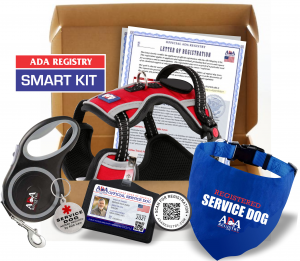
Complete Kits
USA & CANADA Letters
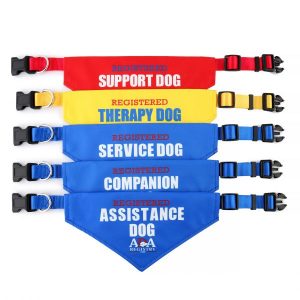
High Quality Bandanas
Service Dog Tags
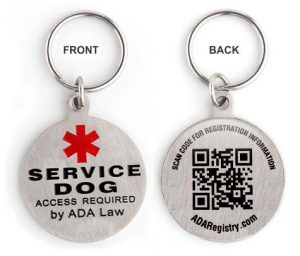
Smart Tags

ESA TAGS