
Skye Terrier as a Service Dog
Register Any Breed
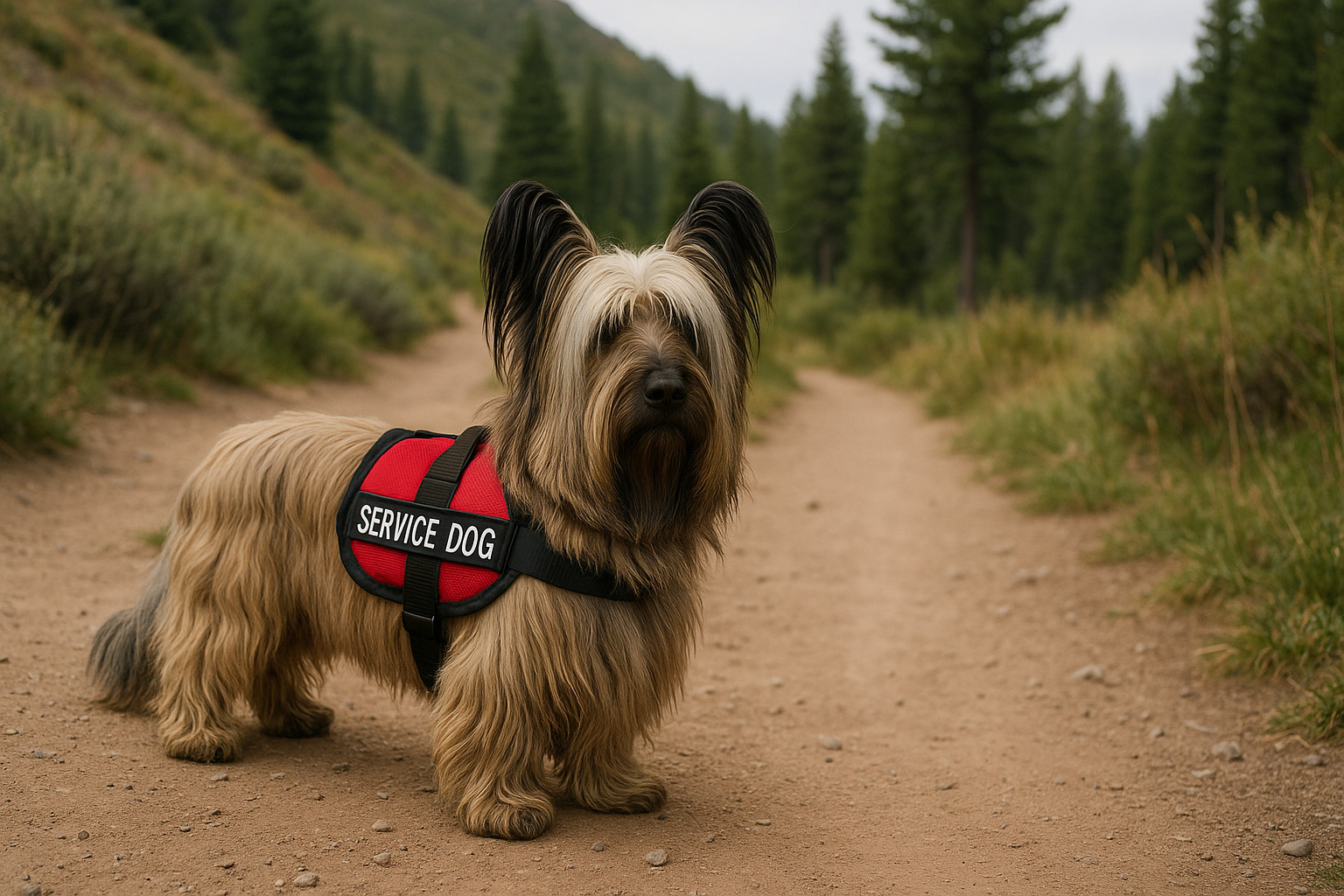
Service dogs play an invaluable role in supporting individuals with disabilities, and selecting the right breed is crucial to meet specific needs. Among the wide array of breeds, the Skye Terrier, an elegant and intelligent canine, presents both unique advantages and particular challenges for service work. This article offers an in-depth exploration into the role of Skye Terriers as service dogs, discussing their physical characteristics, temperament, service suitability, health considerations, and training implications.
Skye Terrier Overview
The Skye Terrier, long admired for its striking appearance and spirited nature, originates from the Isle of Skye in Scotland. Historically bred for hunting small game, they were cherished for their bravery and persistence. Today, they retain these traits, making them a breed worth considering for service work, provided their suitability aligns with specific client needs.
Physical Characteristics
Skye Terriers are distinctive with their long, flowing coats and sturdy builds. Despite their relatively small stature, they are robust dogs. Here are some physical attributes that may influence their role as service dogs:
- Size and Build: Skye Terriers stand around 9 to 10 inches tall and weigh between 35 to 45 pounds. Their small size can be both an asset and a limitation, depending on the service role.
- Advantages: Their compact size makes them suitable for individuals needing a service dog that can easily accompany them in tight spaces or travel situations.
- Challenges: Their size may limit their ability to perform physical tasks requiring strength or reach, such as mobility assistance for individuals requiring leverage or balance support.
- Coat and Grooming: The breed is known for its dense, weather-resistant double coat.
- Grooming Needs: Regular grooming is necessary to maintain their coat and ensure it does not become a hindrance in service scenarios, especially if the dog must accompany their handler daily.
Temperament and Attitude
A Skye Terrier’s temperament is characterized by loyalty, intelligence, and courage. These traits are essential in assessing their potential as service dogs:
- Loyalty and Attachment: Skye Terriers form strong bonds with their handlers, offering emotional support through consistent presence and affection.
- Courage and Alertness: Historically bred for hunting, they exhibit an alert nature, which can be directed toward tasks like alerting their handlers to specific sounds or changes in their environment.
- Independence: While their independence might be an asset in certain scenarios, it can also be a challenge requiring experience in training and socialization.
In public or stressful environments, their temperament can shine:
- Confidence: They tend to be confident and adaptable, which is beneficial when navigating busy or unfamiliar environments.
- Challenge with New Situations: While independent, Skye Terriers might take time to warm up to new tasks or environments and require patience and consistency in training.
Types of Service Work
Given their unique set of characteristics, Skye Terriers can be particularly well-suited for certain types of service work, although they may not be the ideal choice for all roles:
- Psychiatric and Emotional Support:
- Their strong attachment to handlers and intuition in detecting emotional changes make them excellent candidates for psychiatric support roles.
- Hearing Assistance:
- Their alertness can be harnessed for hearing assistance work, where quickly responding to sounds is paramount.
- Limitations in Mobility Assistance:
- Due to their size and strength, they are less suited for tasks involving significant physical support, such as mobility or guiding visually impaired individuals.
Health Considerations
When considering a Skye Terrier as a service dog, potential health issues that may impact service work efficiency need to be addressed:
Register Any Breed
- Orthopedic Concerns: Skye Terriers can be prone to orthopedic issues like hip dysplasia and luxating patellas, which could limit physical activity or longevity of their service abilities.
- Routine Veterinary Care: Regular vet visits are essential to maintain their health, as their service tasks can be physically demanding over time.
- Genetic Screening: Utilize genetic screening and conscientious breeding practices to minimize hereditary health risks, ensuring the dog's ability to serve effectively.
Training and Suitability
Skye Terriers are known for their intelligence, which can both facilitate training and present challenges due to their independent streak:
- Trainability:
- Their intelligence allows them to learn commands and tasks efficiently when positive reinforcement techniques are employed.
- Challenges in Training:
- Their independent nature sometimes leads to stubbornness, requiring skilled trainers to ensure tasks are consistently followed.
- Consistency and Patience: Regular, positive, and reward-based training sessions can reap benefits in creating a reliable service dog.
- Socialization: Early and ongoing socialization is crucial to enhance their adaptability to different environments and people.
Summary of Skye Terrier
In summary, the Skye Terrier's unique attributes and temperament can make them suitable for specific service roles, though not every duty is appropriate. Careful consideration and proper training can harness their loyalty and intelligence, providing valuable support in suitable contexts.
Key Strengths and Ideal Service Roles
- Strong bond with handlers, useful for emotional support roles
- Highly intelligent, making them quick learners in training
- Alert nature ideal for hearing assistance tasks
- Adaptability in various environments
Weaknesses and Challenges
- Limited in roles requiring physical strength due to size
- Potential stubbornness requires experienced handling
- Orthopedic health issues that might affect longevity in service work
In conclusion, while Skye Terriers may not excel in every field of service dog work, they can effectively support individuals when their specific strengths align with the tasks at hand. Those considering a Skye Terrier for service work should evaluate these factors to ensure a harmonious match between handler needs and canine capabilities.


-
Public Access Kits
$149.00 Learn more This product has multiple variants. The options may be chosen on the product page -
Quick Ship Premium Vests
$48.00 – $82.00 Learn more This product has multiple variants. The options may be chosen on the product page -
Service Dog Bandana
$39.95 Learn more This product has multiple variants. The options may be chosen on the product page
Custom ID Cards

Custom ID Cards
All States
Canada Cards
Custom Service Dog Tags

Official Dog Vests

Smart Vests
Official Public Access Kits

Complete Kits
USA & CANADA Letters

High Quality Bandanas

Service Dog Tags

Smart Tags

ESA TAGS
