Skye Terrier as an Emotional Support Dog
Register Any Breed
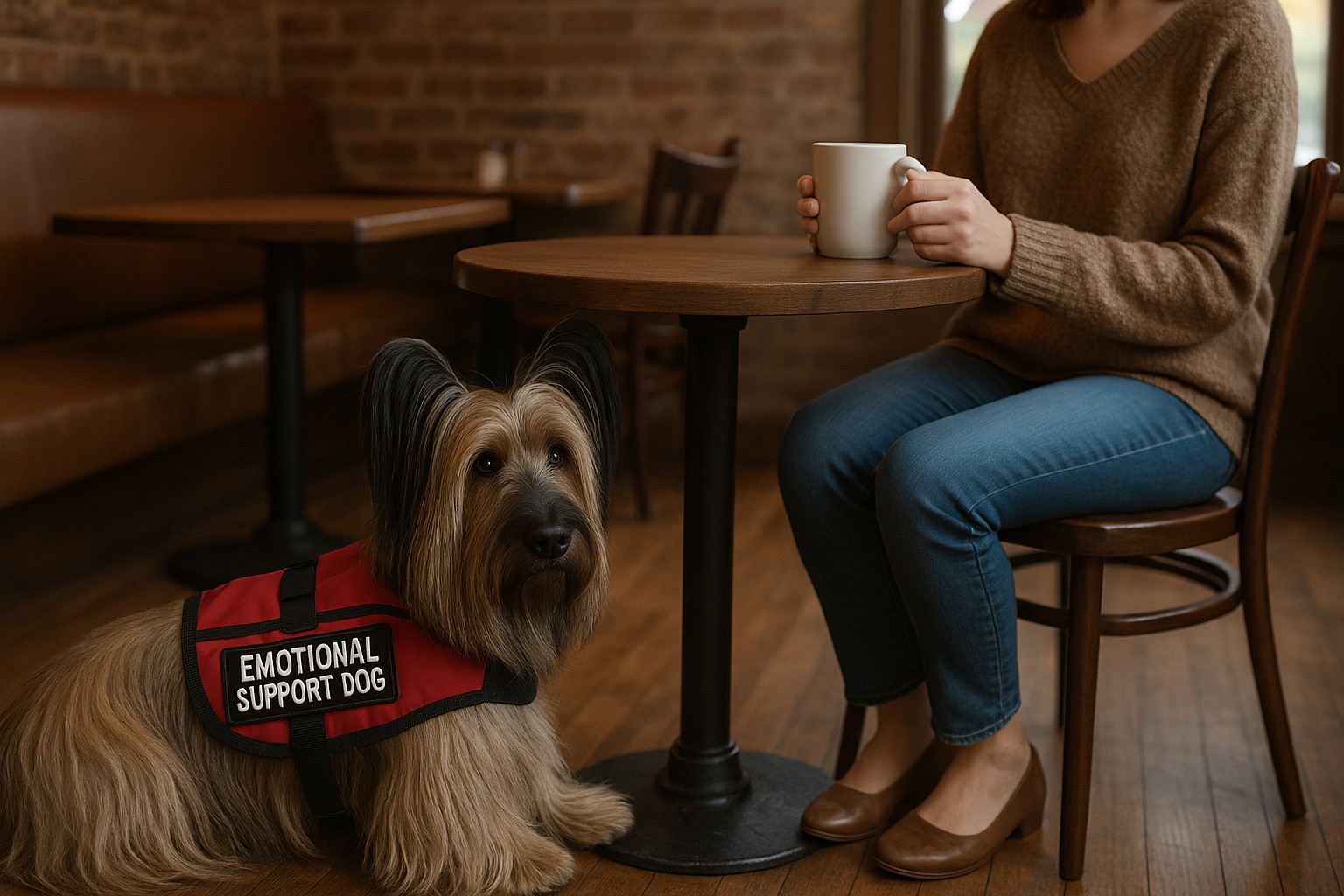
Choosing a breed for emotional support is a meaningful decision that requires an understanding of the dog’s temperament, adaptability, and how well they can form an emotional bond. The Skye Terrier, a breed known for its loyalty and affection, is an excellent candidate for providing emotional support. Let’s explore the qualities and characteristics that make this breed a comforting and reliable companion for individuals seeking emotional stability.
Understanding the Emotional Support Role
Emotional support animals (ESAs) provide comfort and companionship, helping alleviate symptoms of anxiety, depression, or other emotional or mental health conditions. Although not trained like service dogs, ESAs offer unwavering emotional presence that helps soothe and support individuals in distress.
Skye Terrier Overview
The Skye Terrier is a distinctive breed known for its long-elongated body, short legs, and a coat that gracefully drapes from head to tail. Originating from Scotland, these dogs were initially bred to hunt vermin, but their affectionate and loyal nature has lent itself well to roles in providing human companionship.
Temperament and Emotional Connection
Skye Terriers are incredibly affectionate, often forming deep, lasting bonds with their owners. Their consistent emotional connection and loyalty make them ideal candidates for providing emotional stability and companionship. Known for their keen sensitivity, these terriers can often detect and respond to the emotional states of their human companions, making them adept at offering comfort during times of distress.
- Loyal and Devoted: Skye Terriers thrive on personal connections, often forming a single, strong attachment to their primary caregiver.
- Empathetic Nature: Excelling in reading human emotions, they offer a soothing presence when their owner is anxious or upset.
- Consistent Companionship: Their need for companionship makes them ideal for providing unwavering emotional support.
Adaptability and Daily Behavior
Despite their origins as hunters, Skye Terriers are well-suited for life as companion animals due to their adaptable nature and calm demeanor. While they appreciate playtime and can exhibit lively energy outdoors, they typically maintain a balanced energy level indoors, comfortably adapting to the rhythm of their household.
- Balanced Energy Levels: Though lively and spirited outdoors, indoors their behavior is measured and calm.
- Adaptable to Routines: They quickly adjust to daily routines, providing a stable foundation for their owner.
- Independent Yet Social: While they enjoy their independence, Skye Terriers are also sociable and enjoy being near their loved ones.
Situations Where Skye Terrier Provides Strong Support
The Skye Terrier is particularly adept at offering support in home environments where their consistent presence and affectionate demeanor can help negate feelings of loneliness and stress. They are well-suited for individuals who benefit greatly from routine and affectionate companionship.
- Providing Companionship During Isolation: Their strong bond with their owner can greatly reduce feelings of loneliness, particularly in settings like assisted living or for seniors living alone.
- Alleviating Anxiety in Stressful Situations: Quick to read stress cues, they provide a comforting presence in suddenly stressful conditions, helping to reduce tension and anxiety.
- Emotional Stability for People with Depression: The Skye Terrier’s warm companionship helps create an emotional anchor, offering stability and routine that can help in coping with depressive episodes.
Ideal Living Environments
The Skye Terrier’s adaptability makes them suitable for a variety of living situations, though they tend to thrive in environments where they can spend time comfortably with their owner.
Register Any Breed
- Apartments or Smaller Homes: Their moderate exercise needs and love for companionship allow them to thrive in smaller living spaces.
- Family Homes: They can easily be a part of a family dynamic, providing comfort not only to individuals but to the whole family.
- Assisted Living: Their calm demeanor and manageable size make them suitable companions for the elderly or those in assisted living facilities.
Bonds with Different Types of People
With their capability to form strong attachments, the Skye Terrier is effective at bonding with people across various age ranges and lifestyles. This includes individuals needing consistent companionship, those living alone, and families seeking a comforting pet influence.
- Seniors: The breed’s calmness and gentle nature make them excellent companions for older adults.
- Individuals with Anxiety or Depression: Their ability to read emotional cues can offer invaluable support to individuals dealing with mental health challenges.
- Families with Children: Generally, they exhibit patience, although care should be taken around younger, more energetic children due to the terrier’s preference for a calm environment.
Health, Care, and Wellbeing
The Skye Terrier’s ability to provide consistent emotional support is influenced by their health, care routines, and general wellbeing. Attention to grooming, health checks, and emotional wellness is essential.
Common Health Considerations
Like any breed, Skye Terriers have specific health considerations that may impact their ability to provide emotional support.
- Orthopedic Health: They may be prone to orthopedic issues such as hip dysplasia, which requires careful management to prevent discomfort or mobility issues.
- Autoimmune Disorders: Autoimmune related conditions can affect their wellbeing, necessitating regular veterinary care to manage their health.
- Regular Vet Visits: Regular veterinary check-ups are essential to ensure they remain in optimal health and can give their best support to their owner.
Grooming, Comfort, and Maintenance Needs
The Skye Terrier’s beautiful coat is more than just aesthetics; grooming is key to ensuring their comfort and readiness to provide emotional support effectively.
- Regular Grooming Required: Their long, flowing coat requires consistent grooming to keep it clean and free of mats and tangles.
- Coat Management: Routine bathing and brushing will prevent skin issues and keep the coat healthy.
- Comfortable Living Space: Providing a comfortable and safe living environment is crucial for their emotional and physical readiness.
Preparing a Skye Terrier for Emotional Support Work
Preparation is crucial for ensuring that a Skye Terrier thrives in their role as an emotional support dog. This involves socialization and training to make sure they understand their role and develop reliable emotional responses to their owner’s cues.
Socialization and Responsiveness
Effective socialization from a young age ensures that the Skye Terrier is well-adjusted and responsive to various surrounding stimuli, enhancing their ability to provide emotional support.
- Early and Ongoing Socialization: Exposing them to different situations and environments helps a Skye Terrier adapt to various scenarios they may face alongside their owner.
- Training for Emotional Cues: Teaching them to recognize and respond to specific emotional cues enhances their capability to provide targeted emotional support.
Managing Stress and Emotional Cues
Humans aren’t the only beings who can feel stress. Helping a Skye Terrier manage their environment to minimize stress is integral for them to function optimally in their supportive role.
- Recognizing Stress in Terriers: It’s vital for owners to recognize signs of stress in their Skye Terrier and implement stress-relief strategies, such as quiet time and reassurance.
- Consistency and Routine: Providing consistent routines and predictable environments helps them maintain balance and provides a foundation for their owner to rely on their support.
Strengths, Challenges, and Ideal Homes for Skye Terrier
The Skye Terrier brings a unique blend of strengths and challenges to the emotional support role.
- Strengths: Loyalty, empathy, ability to recognize and respond to emotional states, and adaptability are top strengths.
- Challenges: Needs consistent grooming, potential health issues, and may require patience during training given their independent streak.
- Ideal Homes: Individuals seeking a loyal companion, those living in smaller environments or assisted living situations, and families who can provide a stable, loving atmosphere.
Final Thoughts
A Skye Terrier makes an extraordinary companion for individuals in need of emotional support, thanks to their loyalty, adaptability, and ability to form deep emotional bonds. While they require specific care in terms of grooming and health monitoring, the comfort and stability they bring make them a valuable part of any emotional support system.
Key Takeaways for the Skye Terrier as an Emotional Support Dog
- Best suited for: Individuals in need of emotional stability, families, seniors, and those living in smaller spaces or assisted living
- Not ideal for: Environments where high energy or minimal grooming effort is favored
- Emotional traits: Deeply loyal, empathetic, able to form strong emotional connections
- Care and health notes: Regular grooming and veterinary check-ups; monitor for orthopedic and autoimmune concerns
- Environments where they provide the most comfort: Apartments, family homes, assisted living arrangements where regular companionship is needed


-
Public Access Kits
$149.00 Learn more This product has multiple variants. The options may be chosen on the product page -
Quick Ship Premium Vests
$48.00 – $82.00 Learn more This product has multiple variants. The options may be chosen on the product page -
Service Dog Bandana
$39.95 Learn more This product has multiple variants. The options may be chosen on the product page
Custom ID Cards

Custom ID Cards
All States

Canada Cards

Custom Service Dog Tags

Official Dog Vests

Smart Vests
Official Public Access Kits

Complete Kits
USA & CANADA Letters
High Quality Bandanas

Service Dog Tags
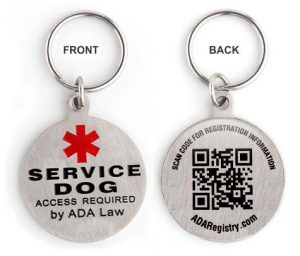
Smart Tags

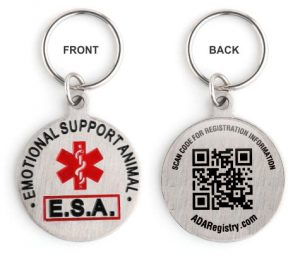
ESA TAGS