Sloughi as a Therapy Dog
Register Any Breed
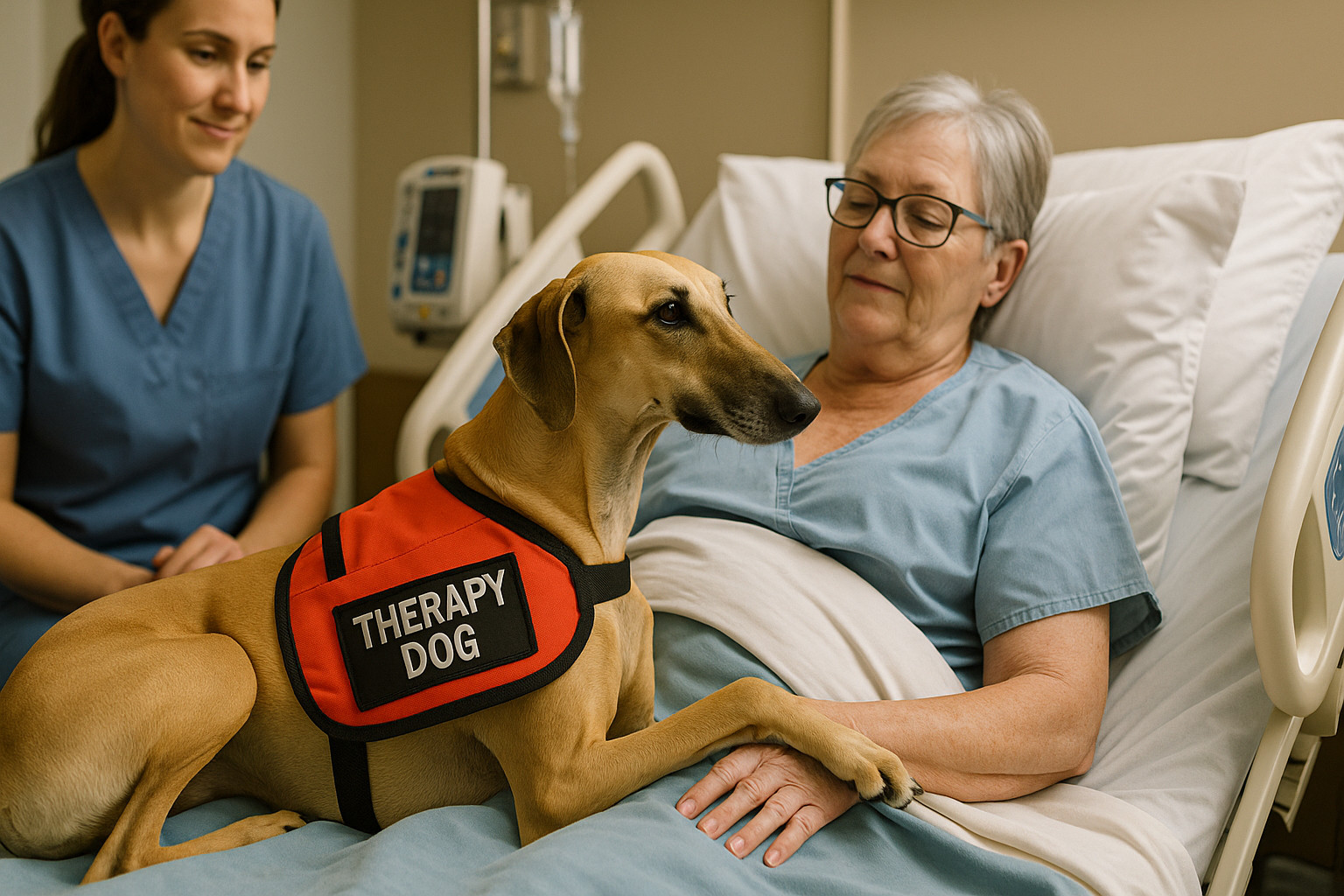
Sloughi as a Therapy Dog Overview
The Sloughi, often known as the Arabian Greyhound, stands out for its elegance, intelligence, and emotional depth. Known primarily for its hunting prowess, this sighthound breed holds great potential as a therapy dog due to its unique combination of temperament and physical attributes. In the following sections, we will explore the defining characteristics and suitability of the Sloughi for therapy roles, focusing on environments ranging from hospitals to schools, and interactions with diverse populations.
Understanding the Therapy Dog Role
Therapy dogs are integral in assisting with emotional healing and providing comfort to individuals who may be coping with stress, anxiety, or trauma. Their presence can significantly impact the well-being of patients in hospitals, residents in nursing homes, and students in educational settings. Effective therapy dogs are characterized by their calm demeanor, patience, and ability to remain non-reactive to diverse stimuli. They are also required to be friendly, approachable, and easy to handle by different handlers.
Physical Appearance and Energy Level
The Sloughi’s appearance is characterized by its sleek, athletic build, long legs, and noble posture. Typically weighing between 35-50 pounds, their moderate size makes them less intimidating to those who may feel apprehensive around dogs. Their energy level is moderate; they enjoy regular exercise but are also known for their ability to relax in more sedentary environments which is beneficial in therapy scenarios that require extended periods of stillness and quiet.
Personality and Emotional Intelligence
Sloughis exhibit an exceptional degree of emotional intelligence, often forming strong, deep bonds with their handlers and those they interact with. Despite their somewhat reserved nature with strangers initially, Sloughis are inherently perceptive and sensitive. This makes them adept at picking up on non-verbal cues, an essential skill for any therapy dog. Their empathetic nature allows them to offer comfort and companionship to individuals in need without being intrusive.
Environments Where Sloughi Excels
- Hospitals and Care Facilities: Their calmness and size make them perfect candidates for navigating the constrained environments of hospital rooms and care facilities, where space can often be limited.
- Schools and Educational Institutions: In school settings, their gentle nature can be particularly beneficial for children who may struggle with anxiety or shyness.
- Rehabilitation Centers: Their patience and gentle disposition make them well-suited for environments where individuals may be dealing with both physical and emotional rehabilitation challenges.
Common Therapy Settings
- Medical and Rehabilitation:
- Hospitals
- Physical therapy centers
- Educational Environments:
- Schools (supporting children with special needs)
- Reading programs
- Community and Social Services:
- Senior living communities
- Community centers for mental health support
Interactions with Different Populations
Sloughis are particularly suited to certain populations:
- Children: Their gentle and patient demeanor offers reassurance to children, who may require time to feel comfortable.
- Elderly Individuals: Due to their calm and controlled activity level, they are often welcomed by the elderly and can help alleviate feelings of loneliness.
- Individuals with Anxiety Disorders: Their non-intrusive nature provides comfort without overwhelming interaction.
Health and Wellness Factors
Sloughis generally enjoy robust health but potential therapy dogs should be regularly checked for common sighthound-related health issues such as blood disorders or eye problems. When taking therapy dogs into environments with vulnerable individuals, it’s crucial that they are up-to-date with vaccinations and are regularly groomed to prevent the shedding of allergens.
Lifespan and Common Health Issues
With a lifespan of 12-15 years, Sloughis are relatively long-lived. Common health issues may include progressive retinal atrophy and sensitivity to anesthesia. Regular health check-ups are essential to mitigate these risks. Their long lifespan allows them to serve as therapy dogs for an extended period, providing continuous support to clients.
Register Any Breed
Maintenance and Care Needs
Sloughis are low-maintenance in terms of grooming due to their short coats. Weekly brushing is usually sufficient to keep shedding at bay and maintain cleanliness. Their grooming needs align well with therapy requirements as they can enter sensitive environments easily without bringing in allergens or dirt.
- Nutritional Care: A balanced diet to maintain their weight and overall health is vital, especially for therapy dog activities that might demand extended periods of attentive presence.
- Dental Hygiene: Regular dental checks and cleaning support their overall health and suitability for visiting various facilities.
Training and Certification Readiness
Sloughis, characterised by their intelligence and responsiveness, adapt well to training routines when handled with positive reinforcement techniques. Their sensitivity requires a gentle yet firm approach; hence, trainers should focus on fostering trust.
- Therapy Certification: They possess the attributes necessary to meet standard therapy dog certifications, though individual temperament evaluations are crucial.
- Learning Style: Fast learners, Sloughis benefit from consistent training schedules and thrive under praise and reward-based programs.
Learning Style and Responsiveness
The Sloughi’s learning style is defined by its independence and intelligence. They respond well to structured routines and become more adaptable with regular training. Positive reinforcement cemented with affection and treat rewards prove most effective in eliciting desired behaviors.
Handling Social and Emotional Stimuli
The Sloughi is particularly adept at navigating social and emotional stimuli due to its inherent sensitivity. Although initially reserved, once acclimated to a setting, they engage well with individuals, offering emotional support and responding appropriately to cues of distress or discomfort. This trait makes them highly effective in therapeutic environments demanding emotional engagement.
Strengths, Limitations, and Ideal Roles for Sloughi
Strengths:
- Sloughis are empathetic and calm, which makes them excellent therapy dogs in diverse settings.
- Their moderate size and energy level allow them to adjust to environments like hospitals or schools with ease.
Limitations:
- Their reserved nature with strangers might require additional time for socialization.
- Health considerations such as potential sensitivity to certain medical conditions necessitate regular veterinary care.
Ideal Roles:
- Providing emotional support in health and educational facilities.
- Assisting in community programs focused on mental and emotional health.
Final Thoughts
In conclusion, Sloughis possess the temperament, intelligence, and adaptability to excel as therapy dogs. Their natural empathy and calm nature allow them to provide substantial emotional support across various therapeutic settings. However, potential handlers should ensure they have the proper health and training to fulfill the demands of therapy work. With their unique traits, Sloughis can indeed become cherished companions and healers in many contexts.
Key Takeaways for the Sloughi as a Therapy Dog
- Best suited for: Hospitals, schools, and rehabilitation centers
- Not ideal for: Environments requiring frequent interaction with strangers
- Temperament highlights: Empathetic, calm, and responsive
- Care and health notes: Regular veterinary check-ups and grooming are essential
- Therapy environments where they shine: Settings that require moderate energy, sensitivity, and emotional intelligence


-
Public Access Kits
$149.00 Learn more This product has multiple variants. The options may be chosen on the product page -
Quick Ship Premium Vests
$48.00 – $82.00 Learn more This product has multiple variants. The options may be chosen on the product page -
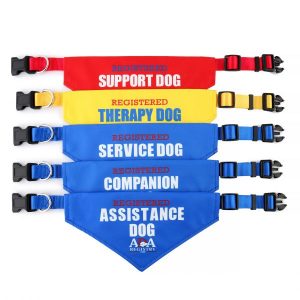
Service Dog Bandana
$39.95 Learn more This product has multiple variants. The options may be chosen on the product page
Custom ID Cards

Custom ID Cards
All States
Canada Cards
Custom Service Dog Tags
Official Dog Vests
Smart Vests
Official Public Access Kits
Complete Kits
USA & CANADA Letters
High Quality Bandanas
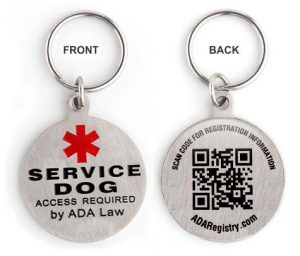
Service Dog Tags
Smart Tags
ESA TAGS