Smooth Fox Terrier as a Therapy Dog
Register Any Breed
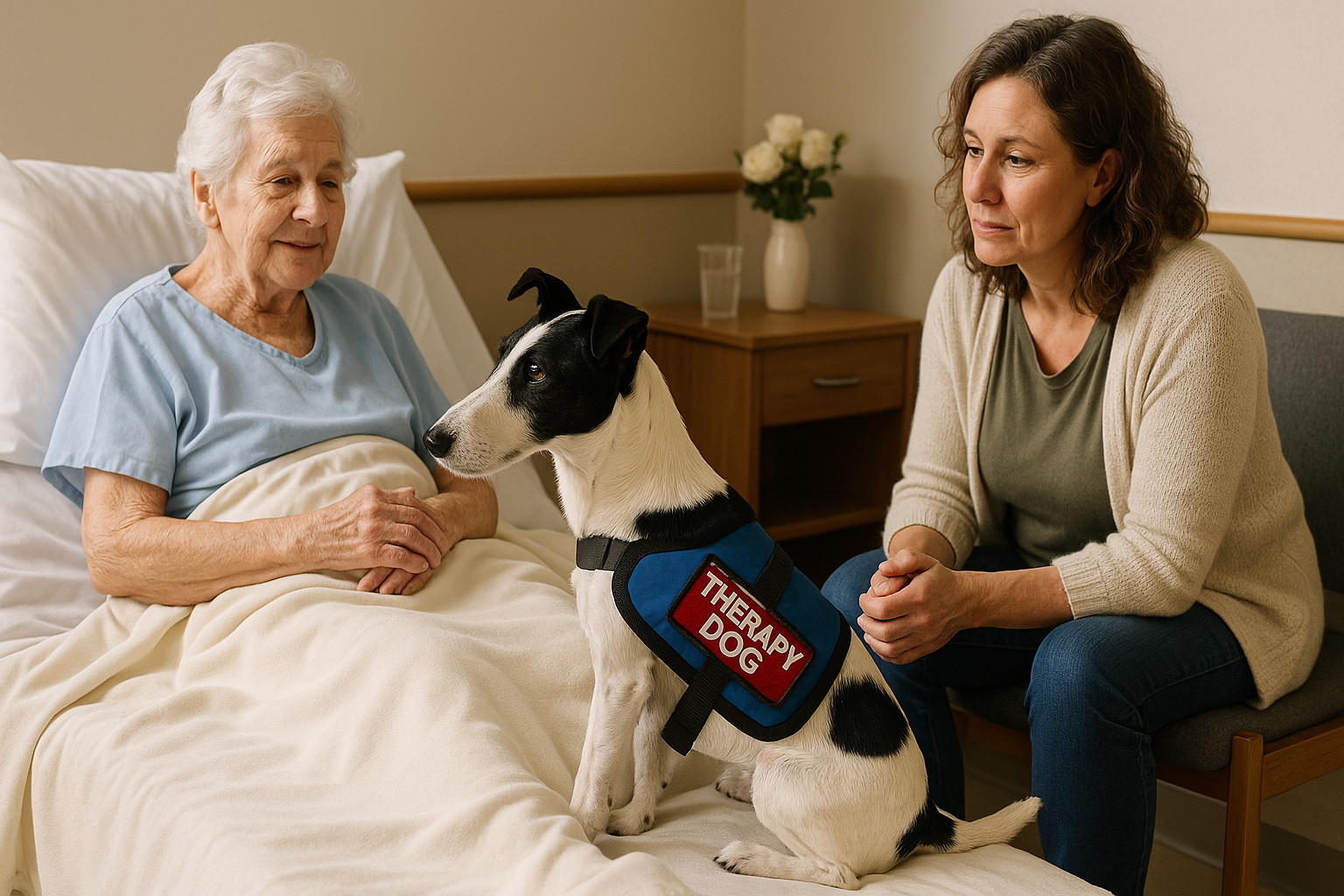
The Smooth Fox Terrier, a breed celebrated for its keen intelligence and spirited nature, has intriguing potential as a therapy dog. Known for its affection and enthusiasm, this breed can offer comfort and joy in various therapeutic settings. This article thoroughly evaluates the Smooth Fox Terrier's aptitude for therapy work, focusing on its suitability in diverse environments, its temperament, and any considerations for its care and training. Our analysis will guide therapy dog trainers, volunteers, and healthcare professionals contemplating the integration of this breed into therapeutic roles.
Smooth Fox Terrier as a Therapy Dog Overview
Understanding the Therapy Dog Role
Therapy dogs play a crucial role in promoting emotional and physical well-being among individuals in hospitals, schools, rehabilitation centers, and other care facilities. Unlike service dogs, whose roles are task-specific, therapy dogs provide comfort, companionship, and stress relief. The therapeutic benefits observed from dog interactions include reduced anxiety, improved mood, and increased socialization.
Physical Appearance and Energy Level
The Smooth Fox Terrier is easily recognized by its sleek, dense coat and athletic build. Typically weighing between 15 to 18 pounds, their compact size allows them to navigate effortlessly across various environments. Their high energy level is both a benefit and a challenge in therapy settings. Energetic play can elevate mood and engage physically active patients, but for environments requiring calmness, such as hospitals or care homes, managing this energy is crucial.
Personality and Emotional Intelligence
Perhaps the most notable trait of the Smooth Fox Terrier is its dynamic personality, characterized by intelligence and playfulness. Their emotional intelligence enables them to be attuned to human emotions — a critical aspect of therapy work. The breed's innate curiosity and sociability contribute to its engaging presence, helping to break down communication barriers with clients who may be isolated or withdrawn.
Environments Where Smooth Fox Terrier Excels
Smooth Fox Terriers tend to shine in lively environments where their energy and sociability are assets. They excel in settings such as:
- Children’s hospitals: Their playful demeanor can help distract and entertain young patients, making hospital stays less daunting.
- Schools: Their active nature can encourage participation in therapeutic activities, especially within special education programs where interaction is essential.
- Rehabilitation centers: The breed's vitality can motivate patients requiring physical activity encouragement as part of their recovery process.
Common Therapy Settings
In therapy roles, a Smooth Fox Terrier is well-suited to environments that allow for playful interaction and provide opportunities for physical engagement. However, the breed's versatility also enables successful roles in quieter, more controlled settings with the right training.
Interactions with Different Populations
Interacting with diverse populations demands a therapy dog have adaptable social skills. Smooth Fox Terriers are particularly good with:
Register Any Breed
- Children: Their friendly nature helps alleviate fear or anxiety, promoting bonding and facilitating therapeutic activities.
- Elderly individuals: Their capacity to provide non-intrusive company helps mitigate loneliness, fostering a feeling of community.
- Special needs populations: The breed’s intelligence and ability to follow commands assist in tailored therapeutic approaches, offering consistent support during structured activities.
Health and Wellness Factors
A therapy dog's health is paramount to ensuring it can meet its role demands without posing risks to others. The Smooth Fox Terrier is generally healthy with a robust constitution. Nevertheless, handlers must watch out for common health issues that can affect their ability to peerform therapy duties.
Lifespan and Common Health Issues
The average lifespan of a Smooth Fox Terrier ranges from 12 to 15 years. Although predominantly healthy, some may experience breed-related health conditions such as:
- Deafness: Regular auditory health checks can mitigate this issue by ensuring any necessary adaptations to routines are made.
- Eye disorders: Conditions like cataracts require vigilance and prompt treatment to prevent them from impacting the dog's ability to navigate therapeutic environments safely.
Maintenance and Care Needs
Maintaining a therapy dog involves ensuring its good health and grooming, which in turn fosters a positive impression during interactions. With their smooth coat, grooming needs are minimal, usually involving regular brushing to minimize shedding. However, their high energy demands a commitment to regular exercise to maintain both physical health and mental well-being.
Training and Certification Readiness
The intelligence and alertness of the Smooth Fox Terrier often translate into effective training sessions. They learn quickly and respond well to positive reinforcement training methods, essential for therapy dog certification. It is crucial, though, to tackle potential distractibility due to the breed’s innate curiosity and desire to explore every aspect of its surroundings.
Learning Style and Responsiveness
Smooth Fox Terriers are motivated learners, excelling when engaging training methods that stimulate both their physical and mental faculties are applied. Utilizing interactive and rewarding training regimens can lead to high responsiveness, a valuable trait for adhering to therapy protocols and commands in varied settings.
Handling Social and Emotional Stimuli
As therapy dogs, Smooth Fox Terriers must navigate diverse social and emotional scenarios. Their innate emotional sensitivity permits them to respond effectively to different stimuli, providing support and comfort without overwhelming or becoming distressed themselves. Training in social cues and measured responses maximizes their efficacy in therapy work.
Strengths, Limitations, and Ideal Roles for Smooth Fox Terrier
While the breed excels in environments that favor energy and interaction, handlers must be aware of its limitations. A strong tendency towards a high prey drive can occasionally result in distractions if not managed correctly. Ideal roles should capitalize on their playful, engaging nature while ensuring sufficient training and environmental control prevent any behavioral issues.
Final Thoughts
The Smooth Fox Terrier holds great potential as a therapy dog, bringing joy and comfort across various settings. Handlers who appreciate and harness the breed's strengths while addressing its energetic inclinations will find a remarkable companion capable of improving many lives through therapeutic interactions.
Key Takeaways for the Smooth Fox Terrier as a Therapy Dog
- Best suited for: Energetic therapy environments like schools and children’s hospitals.
- Not ideal for: Settings requiring sustained calmness; they need structured management to thrive.
- Temperament highlights: Engaging and intelligent, excellent for non-intrusive social interaction.
- Care and health notes: Regular exercise and minimal grooming; attentiveness to potential health issues.
- Therapy environments where they shine: Places where interaction and play are fundamental, adapted for settings that allow controlled activity and social interaction.
With the appropriate training and environment, the Smooth Fox Terrier’s spirited personality can become a tremendous asset in therapy settings, promoting healing and comfort for diverse populations.


-
Public Access Kits
$149.00 Learn more This product has multiple variants. The options may be chosen on the product page -
Quick Ship Premium Vests
$48.00 – $82.00 Learn more This product has multiple variants. The options may be chosen on the product page -
Service Dog Bandana
$39.95 Learn more This product has multiple variants. The options may be chosen on the product page
Custom ID Cards

Custom ID Cards
All States

Canada Cards

Custom Service Dog Tags
Official Dog Vests

Smart Vests
Official Public Access Kits

Complete Kits
USA & CANADA Letters

High Quality Bandanas
Service Dog Tags
Smart Tags

ESA TAGS