Soft Coated Wheaten Terrier as a Therapy Dog
Register Any Breed
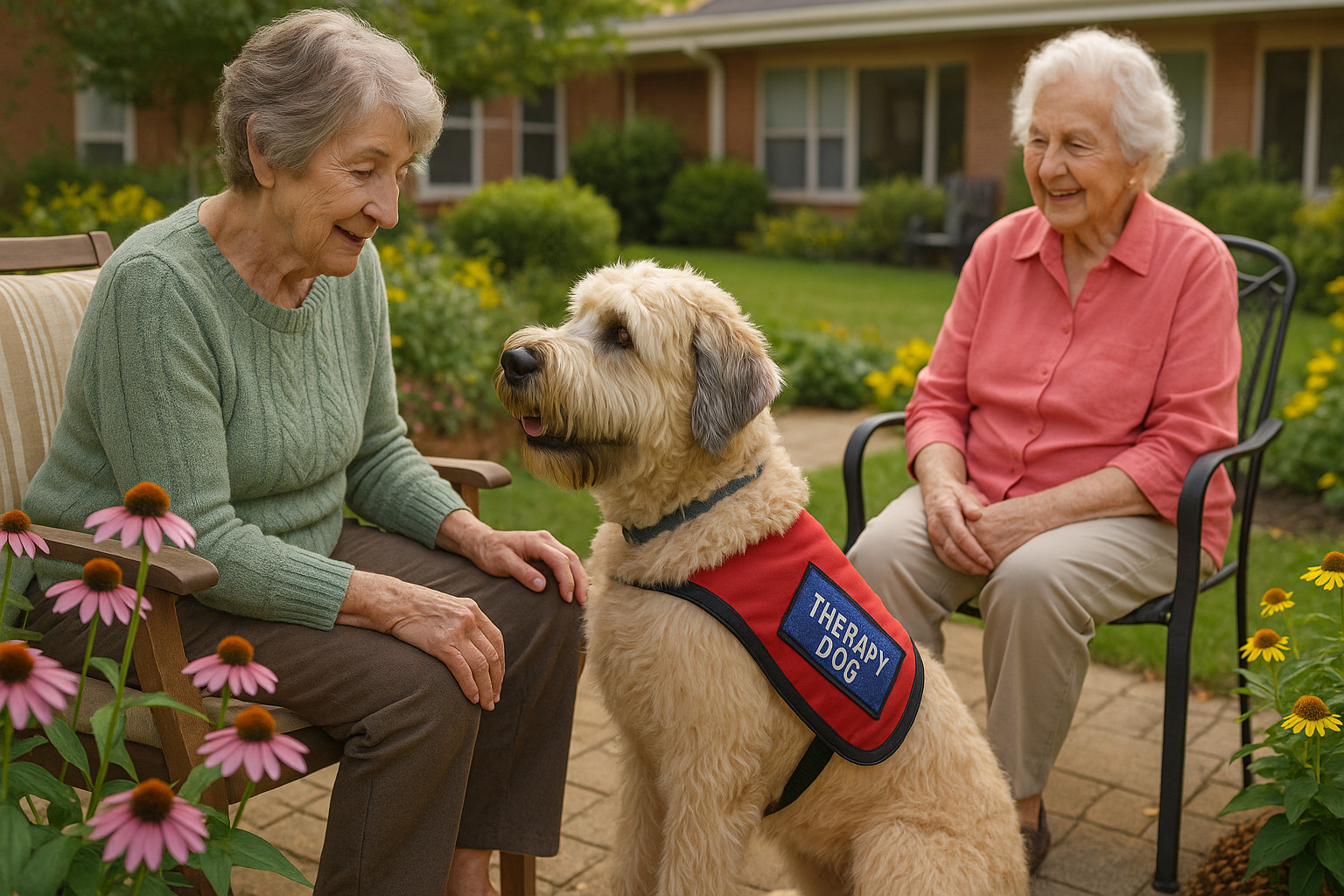
Delivering comfort and healing with their soft fur and gentle demeanor, Soft Coated Wheaten Terriers are increasingly popular in therapy settings. Known for their strong emotional connections with humans, they excel as therapy dogs in various environments. This article explores their suitability, unique characteristics, and the factors influencing their performance as therapy dogs.
Soft Coated Wheaten Terrier as a Therapy Dog Overview
As therapy dogs, Soft Coated Wheaten Terriers bring joy and companionship to individuals in hospitals, schools, and other therapy settings. Their friendly nature and adaptability make them ideal candidates for this role. In this comprehensive guide, we'll delve into the specifics of how their temperament and physical traits contribute to their success as therapy dogs.
Understanding the Therapy Dog Role
Therapy dogs provide emotional support and companionship to individuals in need. Their primary roles involve offering comfort, reducing stress, and promoting a sense of well-being. Importantly, therapy dogs must possess a calm demeanor, excellent social skills, and an intuitive sense of empathy.
Physical Appearance and Energy Level
The Soft Coated Wheaten Terrier is a medium-sized breed with a distinctive silky coat that encourages touch, engaging individuals in sensory interaction. Their moderate energy level is balanced, allowing them to participate actively without overwhelming their environment.
- Aesthetic appeal: Their hypoallergenic, soft coat appeals to all age groups, particularly those in hospitals and rehabilitation centers.
- Energy balance: The breed maintains a gentle, controlled energy level, making them suitable for both dynamic and tranquil settings.
Personality and Emotional Intelligence
This breed is known for its joyful, affectionate disposition and high degree of emotional intelligence, traits that significantly enhance their performance as therapy dogs. They show a remarkable ability to sense human emotions, offering companionship and comfort exactly when needed.
- Empathy and understanding: Soft Coated Wheaten Terriers display excellent emotional intuition, making them responsive to the needs of diverse populations.
- Adaptive socialization: Their friendly nature ensures easy adaptation to various social and emotional stimuli.
Environments Where Soft Coated Wheaten Terrier Excels
The Soft Coated Wheaten Terrier thrives in environments requiring both calm reassurance and active engagement.
Common Therapy Settings
- Hospitals and care facilities: Their calm presence provides comfort to patients and staff alike.
- Schools and educational programs: Their playful yet considerate nature makes them popular among children and educators.
- Rehabilitation centers: Their adaptability and willingness to engage are reassuring to individuals recovering from trauma or physical hardship.
Interactions with Different Populations
Soft Coated Wheaten Terriers are known for their versatility and ability to interact effectively with a wide range of populations, from the elderly to young children. They are particularly valued in settings involving individuals with autism, PTSD, or other emotional and psychological challenges.
Register Any Breed
- Eldercare settings: They offer companionship and emotional warmth to seniors, helping alleviate loneliness.
- Children with special needs: Their patience and gentle demeanor make them ideal companions in therapeutic settings for children with developmental disorders.
Health and Wellness Factors
A therapy dog's health is critical to their effectiveness and safety in therapy settings.
Lifespan and Common Health Issues
With a lifespan of 12 to 15 years, Soft Coated Wheaten Terriers require regular check-ups to manage potential health concerns.
- Common health conditions: They are prone to conditions such as protein-losing nephropathy and allergies, which may affect visit schedules.
- Preventative care: Regular veterinary care and a well-balanced diet are essential for maintaining their health and performance.
Maintenance and Care Needs
The breed's grooming requirements include regular coat maintenance to prevent matting and ensure they remain clean and hypoallergenic for therapy sessions.
- Grooming routine: Regular brushing and occasional trimming are necessary to maintain their signature coat.
- Hygiene sensitivities: Proper grooming and hygiene practices are critical to prevent allergens from affecting therapy beneficiaries.
Training and Certification Readiness
The willingness and ease with which Soft Coated Wheaten Terriers undergo training significantly influence their readiness for therapy certification.
Learning Style and Responsiveness
They exhibit a strong willingness to learn and an eagerness to please, making them well-suited for structured training programs required for therapy dog certification.
- Training adaptability: Their intelligence and responsiveness enable them to quickly adapt to therapy-specific commands and environments.
- Positive reinforcement: Utilizing treats and praises enhances their learning experience, ensuring a motivated and well-adjusted therapy dog.
Handling Social and Emotional Stimuli
Their sensitivity to emotional changes allows them to handle various social stimuli effectively, providing comfort and companionship without becoming overwhelmed.
- Social interactions: They maintain a balance between social engagement and calm presence, adapting to the emotional needs of individuals and groups.
- Emotional grounding: Their innate ability to provide emotional grounding through their presence and behavior is vital in therapy settings.
Strengths, Limitations, and Ideal Roles for Soft Coated Wheaten Terrier
Understanding the breed's strengths and limitations helps identify the ideal roles and environments for their deployment as therapy dogs.
- Strengths: Affectionate, empathetic, and adaptable; ideal for homely, nurturing environments.
- Limitations: Health concerns may restrict extensive travel or outdoor activities.
- Roles: They thrive in roles that balance interactive playfulness with gentle companionship.
Final Thoughts
The Soft Coated Wheaten Terrier's unique blend of empathy, intelligence, and physical appeal makes them a stellar choice for therapy dog roles. Their presence in therapeutic environments not only enriches the experiences of those they interact with but also showcases the profound impact that a well-matched therapy dog can have. Training and preparing them for therapy roles requires attentiveness to their health, grooming, and emotional traits, ensuring they meet the requirements for successful therapy certification.
Key Takeaways for the Soft Coated Wheaten Terrier as a Therapy Dog
- Best suited for: Hospitals, schools, and eldercare settings where gentle companionship is needed.
- Not ideal for: Environments requiring high endurance or extensive outdoor activities.
- Temperament highlights: Affectionate, empathetic, responsive.
- Care and health notes: Requires regular grooming and monitoring for specific health issues.
- Therapy environments where they shine: Settings offering a mix of calm and companionship, ideal for both individual and group therapy.
This evidence-based guide serves as a comprehensive learning tool for therapy dog trainers, healthcare professionals, and anyone interested in the unique role of Soft Coated Wheaten Terriers in therapy settings.


-
Public Access Kits
$149.00 Learn more This product has multiple variants. The options may be chosen on the product page -
Quick Ship Premium Vests
$48.00 – $82.00 Learn more This product has multiple variants. The options may be chosen on the product page -
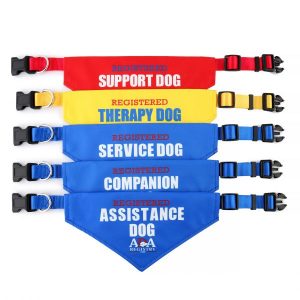
Service Dog Bandana
$39.95 Learn more This product has multiple variants. The options may be chosen on the product page
Custom ID Cards

Custom ID Cards
All States

Canada Cards

Custom Service Dog Tags
Official Dog Vests

Smart Vests
Official Public Access Kits
Complete Kits
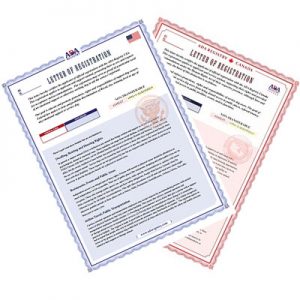
USA & CANADA Letters
High Quality Bandanas
Service Dog Tags
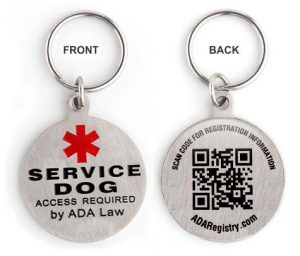
Smart Tags

ESA TAGS