Soft Coated Wheaten Terrier as an Emotional Support Dog
Register Any Breed
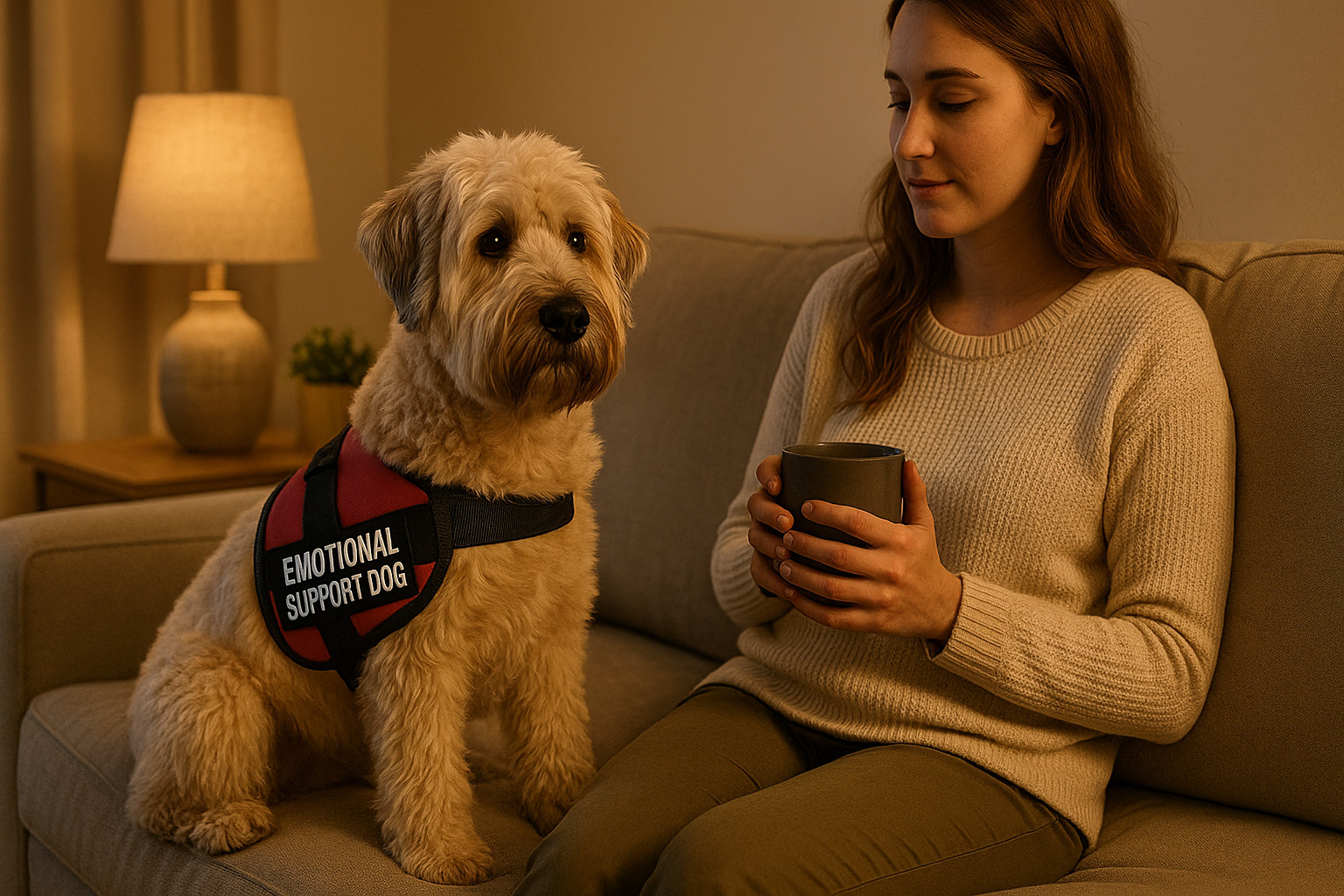
The Soft Coated Wheaten Terrier is a versatile and affectionate breed known for its joyful disposition and wavy, silky coat. When considering an emotional support animal (ESA), their empathetic nature and energetic character make them a popular choice. This detailed guide delves into why the Soft Coated Wheaten Terrier can be an ideal emotional support dog, exploring their temperament, adaptability, care requirements, and more.
Understanding the Emotional Support Role
Emotional support animals provide significant comfort and companionship to individuals with mental health challenges, such as anxiety, depression, or post-traumatic stress disorder. Unlike service animals, ESAs do not require specialized training to perform specific tasks. Their primary role is to offer emotional stability through their presence and interact with their owner.
The Soft Coated Wheaten Terrier stands out in this role due to its affectionate nature. As ESAs, they provide an unwavering source of companionship and are attuned to their owner’s emotional states, making them well-suited for those in need of consistent support.
Soft Coated Wheaten Terrier Overview
The Soft Coated Wheaten Terrier is a medium-sized dog recognized for its distinctive, silky, and hypoallergenic coat, which is a feature many appreciate, especially those sensitive to allergens. Originating from Ireland, these terriers are bred for their lively and exuberant personality combined with a calm demeanor.
Typically weighing between 30 to 40 pounds and standing about 17 to 20 inches tall, the Wheaten Terrier is a manageable size for various living situations. Their engaging personality and adaptability contribute to their effectiveness as emotional support animals, able to fit comfortably into apartments or larger homes.
Temperament and Emotional Connection
Wheaten Terriers are known for their friendly and sociable nature, with a reputation for forming quick and strong bonds with humans. Their temperament is a blend of cheerfulness and patience, making them perfect for offering emotional support.
- Empathy and Sensitivity: Wheatens are perceptive and can often sense when their owner is distressed or in need of comfort. This sensitivity allows them to respond to emotional cues effectively.
- Emotional Stability: With their settled demeanor, they serve as a calming presence, helping to alleviate feelings of anxiety or fear.
- Companionship: Naturally people-oriented, Wheaten Terriers thrive on human interaction, providing an ever-present source of companionship.
Adaptability and Daily Behavior
The adaptability of a Wheaten Terrier makes it a suitable candidate for various living arrangements, crucial for an emotional support dog. Their energy levels can vary from playful exuberance to peaceful relaxation, matching the needs of their owner.
Register Any Breed
- Energy Levels: Known for their moderate energy, they require regular exercise but are equally content with downtime, adjusting to the needs of the individual.
- Routine and Structure: They benefit from a structured daily routine, which also benefits their owners, encouraging stability and predictability in daily life.
- Environmental Adaptability: Wheaten Terriers can adapt well to city apartments or rural settings, providing support wherever they live.
Situations Where Soft Coated Wheaten Terrier Provides Strong Support
The versatility of the Soft Coated Wheaten Terrier means they can provide strong emotional support in a variety of situations:
- For individuals coping with anxiety or panic disorders: Their calm demeanor and reassuring presence can help ease symptoms.
- In homes with children: Wheaten Terriers are playful yet gentle, offering comfort and companionship to younger family members.
- Assisted living or older adults: They provide affection and interaction, which is beneficial for individuals facing loneliness or depression.
Ideal Living Environments
A Soft Coated Wheaten Terrier thrives best in environments where they receive ample love and attention. They adapt to:
- Urban Living: Their moderate size and adaptable nature make them suitable for city apartments, provided they receive enough exercise and stimulation.
- Family Homes: Their sociable nature means they fit well into family dynamics, engaging with children and adults alike.
- Calm, structured environments: Consistency and routine aid in their emotional stability, thriving in settings that offer this predictability.
Bonds with Different Types of People
The Soft Coated Wheaten Terrier is capable of forming strong bonds across a spectrum of individuals:
- Singles or couples: They provide unwavering companionship and affection.
- Families with children: Known for their gentle and playful nature, they are excellent for families.
- Senior citizens: Their intuitive nature and calm presence offer comfort, mitigating feelings of loneliness.
Health, Care, and Wellbeing
Ensuring the well-being of a Soft Coated Wheaten Terrier is crucial to their role as an ESA. This encompasses regular veterinary care, proper nutrition, and an understanding of breed-specific health considerations.
Common Health Considerations
While generally healthy, Soft Coated Wheaten Terriers are predisposed to certain health conditions, such as:
- Protein-losing enteropathy and nephropathy: Regular check-ups and early detection are key.
- Hip dysplasia: Maintaining a healthy weight and providing joint-friendly exercise options are important preventive measures.
Grooming, Comfort, and Maintenance Needs
Proper grooming is essential for the comfort and maintenance of the Soft Coated Wheaten Terrier’s coat, contributing to their health and overall well-being:
- Regular Brushing: A daily routine to prevent matting and ensure their coat remains clean and comfortable.
- Bathing: Regular but not excessive bathing, using breed-appropriate shampoos.
- Professional Grooming: Maneuvering the dog’s signature look might require professional grooming every six to eight weeks.
Preparing a Soft Coated Wheaten Terrier for Emotional Support Work
No formal training is required for an ESA, but preparation focuses on socialization and responsiveness:
Socialization and Responsiveness
- Exposure to various environments and stimuli ensures they remain comfortable in diverse situations, equipping them for the unpredictability of their support role.
- Responsive behavior fosters communication, deepening the bond between the Wheaten and their owner, which is crucial in understanding and reacting to emotional cues.
Managing Stress and Emotional Cues
A key quality of the Wheaten Terrier as an emotional support dog is its ability to manage stress effectively, both their own and their handler’s:
- Calm Assurance: They provide comfort during stressful situations, such as transitions or overwhelming environments.
- Sensitivity to Emotional Cues: Their responsiveness to their owner’s emotional states is an innate quality that enhances their effectiveness.
Strengths, Challenges, and Ideal Homes for Soft Coated Wheaten Terrier
- Strengths: Empathy, adaptability, social nature, and a moderate energy level.
- Challenges: Requires regular grooming and exercise, and may not adapt well to long periods of solitude.
- Ideal Homes: Environments that offer structure, consistency, and active engagement.
Final Thoughts
As an emotional support animal, the Soft Coated Wheaten Terrier offers more than just companionship. Their ability to connect on an emotional level, combined with their adaptable and friendly nature, makes them an excellent choice for individuals in need of emotional grounding and stability.
Key Takeaways for the Soft Coated Wheaten Terrier as an Emotional Support Dog
- Best suited for: Individuals needing moderate exercise and sociability, such as families or seniors.
- Not ideal for: Those unable to commit to regular grooming and exercise.
- Emotional traits: Empathetic, adaptable, and affectionate.
- Care and health notes: Regular grooming and health checks are essential.
- Environments where they provide the most comfort: Apartments with daily attention, family homes, and structured living situations with consistent companionship.
This guide serves as a comprehensive resource for anyone considering a Soft Coated Wheaten Terrier as an emotional support dog, highlighting their capacity to provide unwavering support and companionship.


-
Public Access Kits
$149.00 Learn more This product has multiple variants. The options may be chosen on the product page -
Quick Ship Premium Vests
$48.00 – $82.00 Learn more This product has multiple variants. The options may be chosen on the product page -
Service Dog Bandana
$39.95 Learn more This product has multiple variants. The options may be chosen on the product page
Custom ID Cards

Custom ID Cards
All States

Canada Cards
Custom Service Dog Tags
Official Dog Vests

Smart Vests
Official Public Access Kits
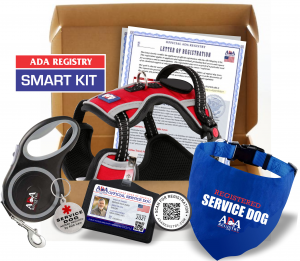
Complete Kits
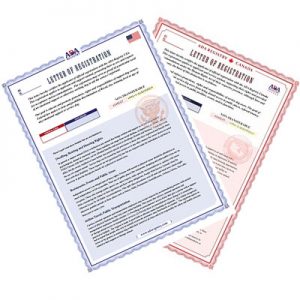
USA & CANADA Letters
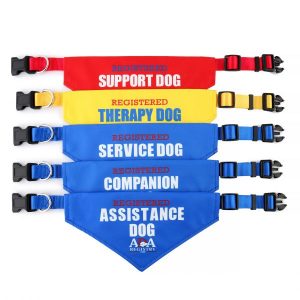
High Quality Bandanas
Service Dog Tags
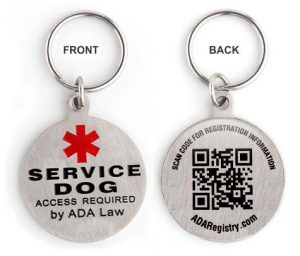
Smart Tags

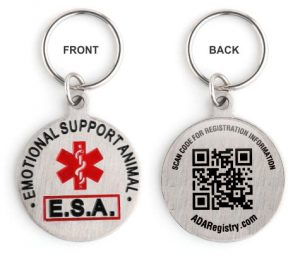
ESA TAGS