Standard Schnauzer as a Therapy Dog
Register Any Breed
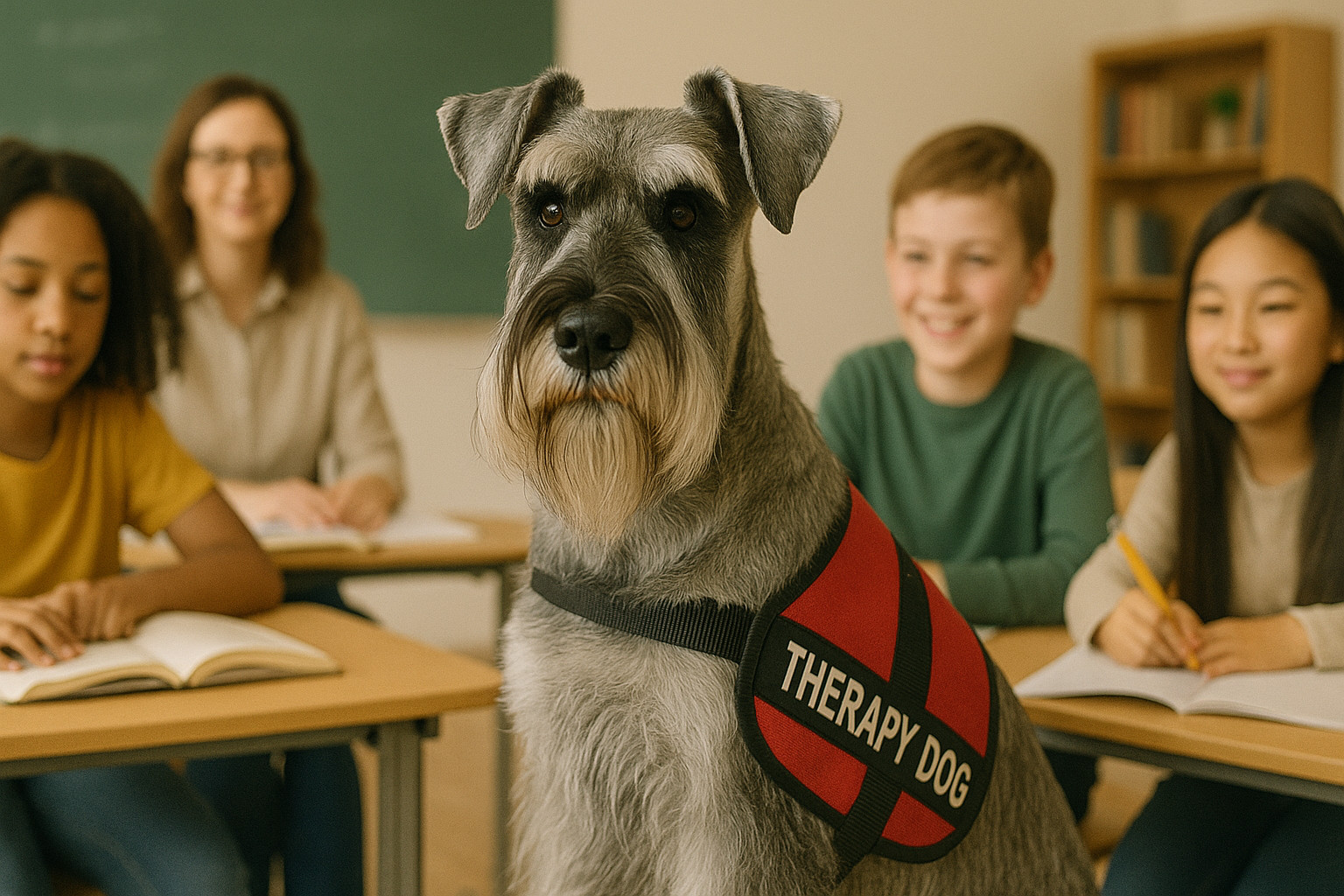
The Standard Schnauzer is a versatile and intelligent breed that can excel in various roles, including that of a therapy dog. This article explores the unique qualities of the Standard Schnauzer as a therapy dog, focusing on temperament, adaptability, and the environments where they thrive.
Standard Schnauzer as a Therapy Dog Overview
A therapy dog provides comfort and support to individuals in various settings. The role of a therapy dog is fundamentally different from that of a service dog; instead of performing specific tasks for a handler, therapy dogs offer emotional support and joy through interaction.
Understanding the Therapy Dog Role
Therapy dogs play an essential role in enhancing emotional well-being and providing companionship in public environments or clinical settings. They aim to uplift spirits, provide comfort, and sometimes contribute to therapeutic goals designed by health professionals. The Standard Schnauzer's innate personality qualities make them a potential asset in these roles due to their affinity for human interaction and perceptive nature.
Physical Appearance and Energy Level
The Standard Schnauzer is a medium-sized dog known for its distinguished appearance, characterized by a square build, robust coat, and expressive eyebrows and beard. Standing at 18 to 20 inches tall and weighing between 35 to 50 pounds, their size is conducive to thriving as therapy dogs, striking the right balance between being substantial enough for contact and small enough for intimate settings.
- Moderate energy levels: Their energy can be effectively managed and harnessed into structured activities, which enhances their therapeutic impact.
- Sturdy build: Offers physical resilience during prolonged interaction while ensuring they are easily manageable in various settings.
Personality and Emotional Intelligence
The Standard Schnauzer is known for its vibrant personality combined with intelligence and sensitivity. These traits enable successful interaction with diverse populations, making them well-suited for the therapy role:
- Empathy and sensitivity: They demonstrate an innate ability to sense emotions and respond accordingly, which is essential in providing comfort and companionship.
- Loyal and intelligent: Naturally inclined to form strong bonds with humans, facilitating emotionally meaningful interactions that encourage therapeutic progress.
- Adaptability: Adapts well to diverse environments and situations, making transitions between therapy settings smooth.
Environments Where Standard Schnauzer Excels
The Standard Schnauzer thrives in a variety of therapy environments. Their engaging and adaptable nature makes them suitable for:
- Hospitals and healthcare settings: Where their composed demeanor helps in dealing with individuals who are sick or undergoing treatment.
- Senior living facilities: Their gentle nature provides companionship to the elderly or those with memory issues.
- Schools and educational settings: Their playful yet calm temperament is beneficial for interacting with children, including those with special needs.
Common Therapy Settings
Therapy environments are diverse, each demanding special qualities from therapy dogs.
Register Any Breed
- Rehabilitation centers: Providing encouragement and support to individuals working through physical or mental rehabilitation.
- Counseling centers: Offering non-judgmental presence, contributing to a calming atmosphere conducive to therapy.
- Libraries and community centers: Participating in reading programs with children to enhance learning and provide a positive interaction.
Interactions with Different Populations
When engaging with various demographics, the Standard Schnauzer displays:
- Gentleness with children: Their patience and playful yet controlled energy makes them ideal for working within educational settings.
- Sensitivity with the elderly: Empathetic nature provides comfort and companionship to older adults, facilitating reminiscence and easing loneliness.
- Calming presence with patients: Essential for therapeutic environments, reducing anxiety and stress in individuals undergoing treatment.
Health and Wellness Factors
The welfare of therapy dogs is paramount, as it ensures their ability to perform their role effectively.
- Robust health: Schnauzers are generally healthy but require regular check-ups to maintain their physical condition.
- Groomed routinely: Dense, wiry coats need regular grooming to maintain comfort, vital for extended periods in therapy settings.
- Proper nutrition: A balanced diet to support energy levels and overall health.
Lifespan and Common Health Issues
Standard Schnauzers have a lifespan of 12 to 15 years, making their long-term role as therapy dogs viable with appropriate care. However, they are prone to certain conditions:
- Hip dysplasia: Regular exercise and maintaining a healthy weight aid in minimizing risks.
- Eye concerns: Regular veterinary eye exams are advised to prevent or manage any potential issues.
- Skin irritation: Related to their coat; thus, consistent grooming is crucial for preventing discomfort or health issues.
Maintenance and Care Needs
To optimize therapy performance:
- Grooming: Regular brushing and grooming sessions keep their coats in top condition, which is important for both appearance and comfort.
- Exercise: Regular, moderate exercise is necessary to maintain their energy levels and prevent boredom.
- Mental stimulation: Engaging them in tasks or exercises helps maintain their mental sharpness and responsiveness to therapeutic tasks.
Training and Certification Readiness
The Standard Schnauzer's intelligence and eager-to-please nature make them excellent candidates for therapy dog training:
- Quick learners: They respond well to positive reinforcement training methods.
- Focus and consistency required: Due to their independent streak, maintaining engagement during training is essential for successful therapy certification.
- Adaptable to structured and unstructured settings: Prepping them for various therapy contexts meets the expectations of certification programs.
Learning Style and Responsiveness
Understanding their learning style aids in effective training:
- Responsive to positive reinforcement: Encouragement and rewards yield the best outcomes.
- Observant learners: They pick up cues from handlers and environments quickly, making them highly adaptable in dynamic therapy settings.
Handling Social and Emotional Stimuli
Therapy dogs often encounter varied stimuli, to which Standard Schnauzers can typically respond admirably:
- Social adeptness: Their friendly disposition allows for ease in social interactions.
- Emotional resilience: Despite varying emotional states, they maintain a steady disposition, vital for therapeutic roles.
Strengths, Limitations, and Ideal Roles for Standard Schnauzer
- Strengths: Include adaptability, empathy, and intelligence.
- Limitations: Can sometimes be independent, requiring continued guidance.
- Ideal roles: Environments that benefit from their vibrant energy and emotional connection capabilities, such as schools and healthcare facilities.
Final Thoughts
The Standard Schnauzer is a remarkable candidate for therapy work due to its blend of intelligence, empathy, and adaptability. By maintaining health and wellness and engaging in consistent training, they can deeply enrich the lives of those they serve.
Key Takeaways for the Standard Schnauzer as a Therapy Dog
- Best suited for: Schools, hospitals, and senior living facilities.
- Not ideal for: Highly restrictive environments requiring precise, repetitive task performance.
- Temperament highlights: Playful, empathetic, adaptable, and loyal.
- Care and health notes: Regular grooming and health check-ups required; generally robust health.
- Therapy environments where they shine: Healthcare settings, educational contexts, and rehabilitation centers.
This comprehensive understanding of the Standard Schnauzer's potential role as a therapy dog positions them as a valuable companion in settings that prioritize human emotional and psychological well-being.


-
Public Access Kits
$149.00 Learn more This product has multiple variants. The options may be chosen on the product page -
Quick Ship Premium Vests
$48.00 – $82.00 Learn more This product has multiple variants. The options may be chosen on the product page -
Service Dog Bandana
$39.95 Learn more This product has multiple variants. The options may be chosen on the product page
Custom ID Cards

Custom ID Cards
All States

Canada Cards
Custom Service Dog Tags
Official Dog Vests
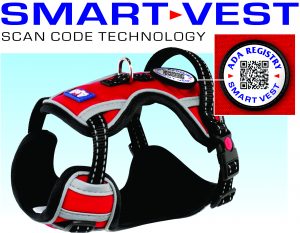
Smart Vests
Official Public Access Kits
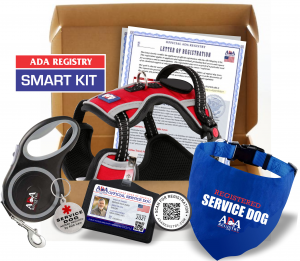
Complete Kits
USA & CANADA Letters

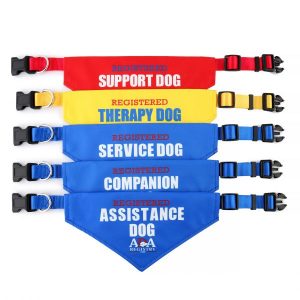
High Quality Bandanas
Service Dog Tags
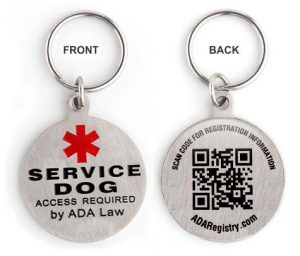
Smart Tags

ESA TAGS