Swedish Vallhund as a Therapy Dog
Register Any Breed
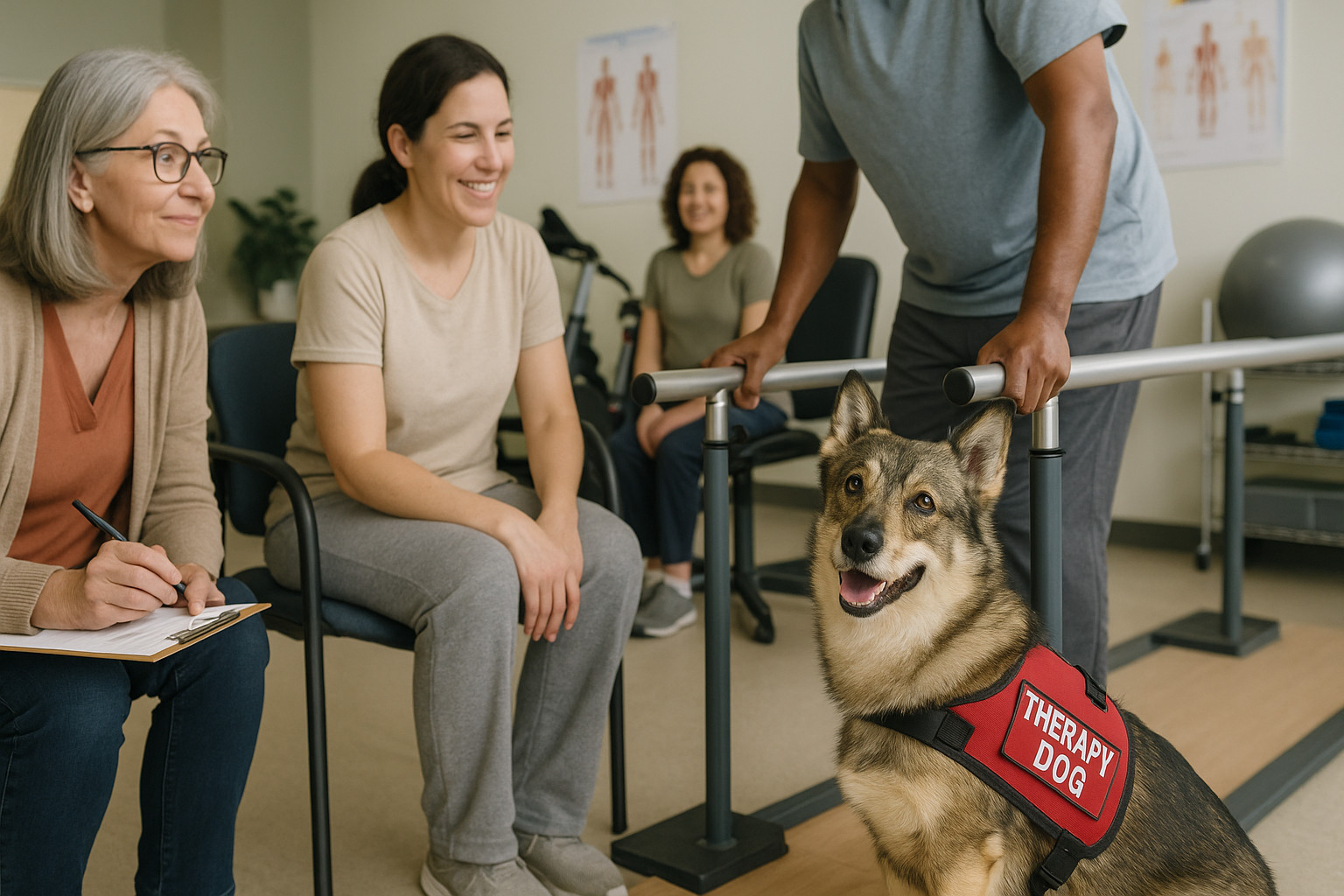
The Swedish Vallhund, a spirited and intelligent breed native to Sweden, holds potential as a therapy dog despite not being a conventional choice in the realm of animal-assisted interventions. This article explores their aptitudes and limitations to offer a comprehensive understanding for those considering training a Swedish Vallhund for therapy purposes.
Swedish Vallhund as a Therapy Dog Overview
The role of a therapy dog is both demanding and rewarding, requiring specific traits such as empathy, composure, and adaptability. Swedish Vallhunds, known for their herding instincts and energetic disposition, may initially appear unlikely candidates. However, their agility, intelligence, and strong bonds with humans make them intriguing prospects.
Understanding the Therapy Dog Role
Therapy dogs are integral to providing comfort, reducing anxiety, and improving the emotional well-being of individuals in various settings. These dogs need an exceptional level of social intelligence, the ability to adapt to unpredictable environments, and the training to handle stressful stimuli calmly. Swedish Vallhunds, known for their alertness and responsiveness, can fit into this role with the right guidance.
Physical Appearance and Energy Level
Swedish Vallhunds are small, robust dogs with a wolf-like appearance and a medium-thick double coat. Their compact size and high energy level can be beneficial in therapy settings that require mobility and interaction within small spaces.
- Strengths: Their size makes them ideal for environments with limited space, and their energetic nature ensures they can engage actively with therapy participants.
- Limitations: Their high energy levels might require careful management to prevent overstimulation, necessitating structured environments to direct their enthusiasm positively.
Personality and Emotional Intelligence
The Swedish Vallhund is renowned for its engaging demeanor and acute perceptiveness, making it particularly suited to emotional engagement in therapy settings. Their friendly nature can be instrumental in breaking the ice with patients who may be hesitant around larger or more intimidating breeds.
- Empathy and Sensitivity: These dogs often display a keen ability to detect human emotions, allowing them to provide comfort and presence effectively.
- Adaptability: They possess a flexible approach to new environments, rendering them capable of adjusting to various therapy scenarios from calm reading sessions with children to emotionally charged hospital visits.
Environments Where Swedish Vallhund Excels
Given their adaptable nature and size, Swedish Vallhunds thrive in diverse therapy environments. Hospitals, assisted living facilities, schools, and libraries are prime settings where they can contribute significantly.
- Hospitals and Rehabilitation Centers: Their ability to navigate tight spaces and connect emotionally with patients makes them suitable for clinical settings requiring gentle interaction.
- Educational and Community Programs: They can serve effectively in school programs focused on reading and comprehension, where their patient demeanor supports learning atmospheres.
Common Therapy Settings
Common settings for therapy dogs include hospitals, schools, care homes, and rehabilitation centers. The unique presence of a Swedish Vallhund can elevate the environment’s mood due to their vivacious and sociable nature.
Register Any Breed
- Hospitals: They can mitigate stress among patients and healthcare workers alike with their comforting presence.
- Schools: Their participation in reading and social interaction programs can benefit students in need of emotional support or confidence-building.
Interactions with Different Populations
Swedish Vallhunds exhibit a notable capacity for interaction across different demographic groups. Their sociable disposition means they can build relationships quickly with individuals ranging from children to the elderly.
- Children: Their playfulness and gentle nature make them wonderful companions for helping kids develop social skills.
- Elderly Individuals: The breed’s calming effect can offer companionship and alleviate the loneliness sometimes experienced in care facilities.
Health and Wellness Factors
The Swedish Vallhund is generally a robust breed but requires consistent attention to health and wellness to remain active in therapy work.
Lifespan and Common Health Issues
Having a lifespan of approximately 12 to 15 years, Swedish Vallhunds are relatively long-lived, which benefits continuity in therapy roles. Common issues such as hip dysplasia and eye conditions should be monitored to maintain their active participation.
Maintenance and Care Needs
Careful grooming, including regular brushing to manage shedding, and routine health checks are critical for maintaining cleanliness and ensuring the dog is presentable and comfortable in therapy settings.
Training and Certification Readiness
Swedish Vallhunds are intelligent and eager learners, making them receptive to training for therapy roles. They exhibit:
- Trainability: Quick learning skills can expedite the process of gaining therapy certification.
- Patience and Temperance: While naturally lively, they can develop patience through targeted training regimens that emphasize calm responses to stimuli.
Learning Style and Responsiveness
Swedish Vallhunds are quick learners who respond best to positive reinforcement. Training should be an engaging and rewarding experience, focusing on conditioning calm behavior and attentiveness to human emotions.
Handling Social and Emotional Stimuli
Their agility and attentiveness allow them to respond well to emotional cues. They should be guided consistently to manage their environment without becoming overwhelmed.
Strengths, Limitations, and Ideal Roles for Swedish Vallhund
The Swedish Vallhund’s eager, alert, and sociable nature is a strength in therapy settings, enabling them to bring joy and comfort to many. However, their energy may require channeling to avoid overstimulation, and they might not be the best choice for individuals requiring deep pressure therapy or requiring less boisterous companions.
Final Thoughts
The Swedish Vallhund may not be the quintessential therapy dog but offers a unique and enriching presence in therapeutic environments with the correct training and management. Their lively spirit, intelligence, and engagement make them valuable partners in providing emotional support.
Key Takeaways for the Swedish Vallhund as a Therapy Dog
- Best suited for: Environments requiring active engagement and emotional comfort.
- Not ideal for: Settings where extreme calm and low energy are necessary.
- Temperament highlights: Lively, engaging, and highly trainable.
- Care and health notes: Regular grooming and health check-ups are crucial.
- Therapy environments where they shine: Schools, hospitals, and community programs where their energy and size are advantages.


-
Public Access Kits
$149.00 Learn more This product has multiple variants. The options may be chosen on the product page -
Quick Ship Premium Vests
$48.00 – $82.00 Learn more This product has multiple variants. The options may be chosen on the product page -
Service Dog Bandana
$39.95 Learn more This product has multiple variants. The options may be chosen on the product page
Custom ID Cards

Custom ID Cards
All States

Canada Cards

Custom Service Dog Tags
Official Dog Vests
Smart Vests
Official Public Access Kits
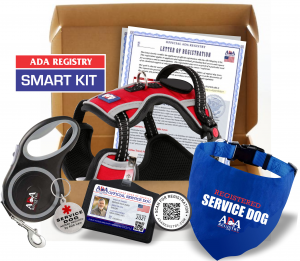
Complete Kits
USA & CANADA Letters
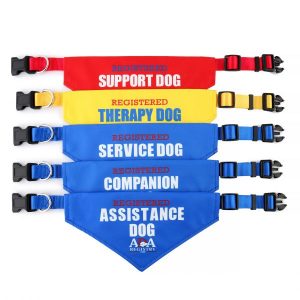
High Quality Bandanas
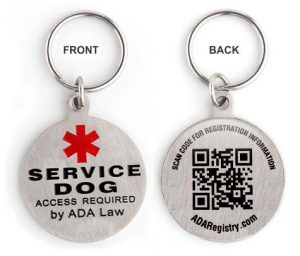
Service Dog Tags
Smart Tags

ESA TAGS