Tibetan Mastiff as a Therapy Dog
Register Any Breed
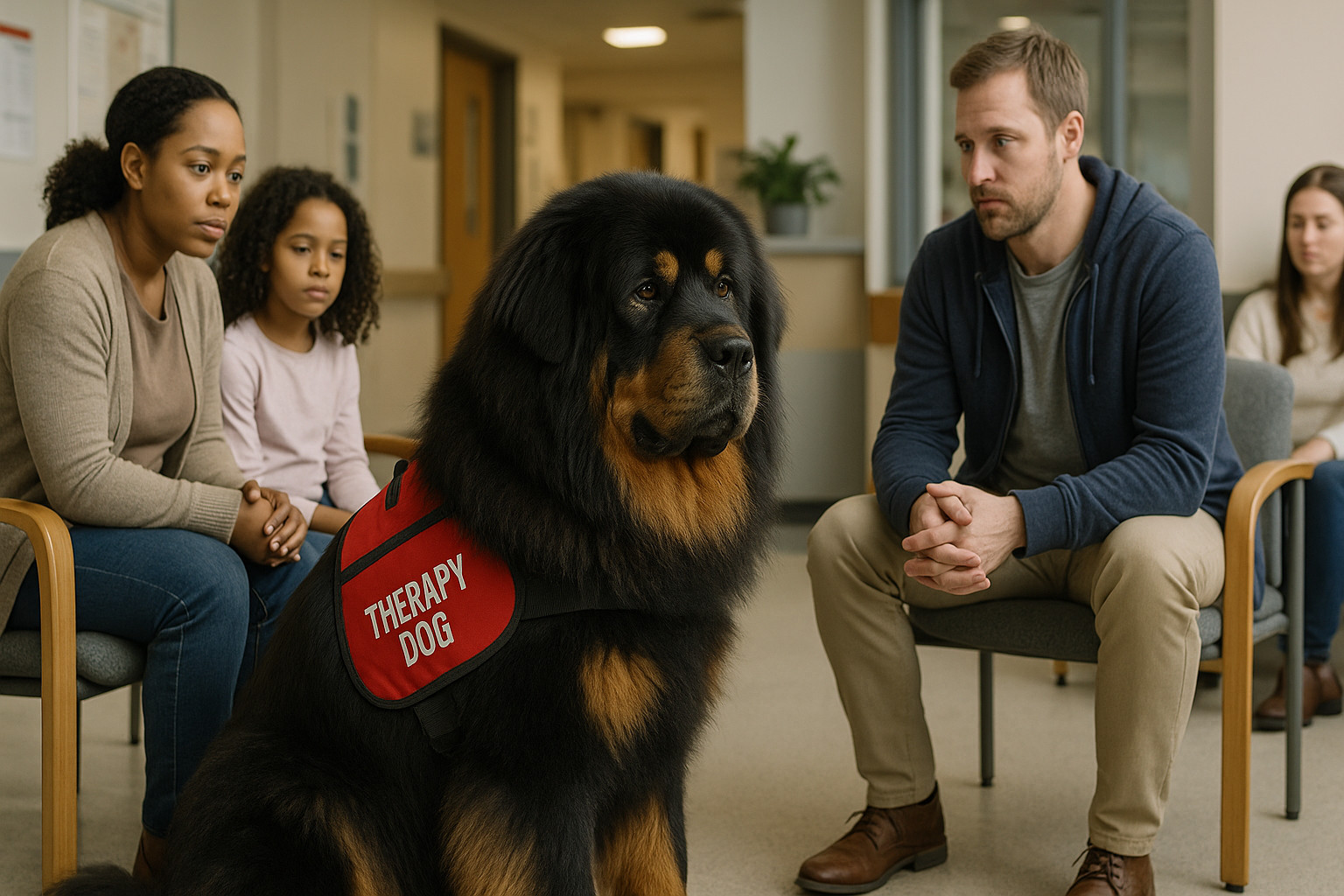
The Tibetan Mastiff, renowned for its imposing stature and loyal temperament, might not be the first breed that springs to mind when considering therapy dogs. However, under its formidable exterior lies a gentle giant capable of profound emotional connections. This comprehensive guide explores the nuances of the Tibetan Mastiff as a therapy dog, examining its temperament, adaptability, and suitability in various therapeutic settings.
Tibetan Mastiff as a Therapy Dog Overview
Tibetan Mastiffs, historically bred as guardian dogs, possess qualities such as loyalty, intelligence, and a calm demeanor, which can be highly beneficial in therapy roles. Understanding their potential involves recognizing both their strengths and challenges in sensitive environments.
Understanding the Therapy Dog Role
Therapy dogs are trained to provide comfort, support, and affection to individuals in need. They play crucial roles in hospitals, rehabilitation centers, schools, and nursing homes by facilitating emotional healing and promoting well-being. Unlike service dogs, therapy dogs are not trained to perform specific tasks but rather to be present and offer companionship.
Physical Appearance and Energy Level
The Tibetan Mastiff is a large, powerful breed with a dense double coat, often weighing between 100-160 pounds. This physical presence can be both comforting and overwhelming in therapy settings, depending on the individual's comfort with large animals.
- Benefits of Size: Their size can offer a sense of safety and warmth.
- Energy Considerations: Despite their size, Tibetan Mastiffs are relatively low-energy and prefer calm, controlled environments where they can relax without being overstimulated.
Personality and Emotional Intelligence
Tibetan Mastiffs are known for their independent yet loyal nature. Their emotional intelligence allows them to pick up on human emotions, making them empathetic companions. However, their instinct for protection can lead to territorial behavior if not properly managed.
- Empathy and Understanding: Strong ability to sense and adapt to human emotions.
- Personality Challenges: Requires consistent training to manage protective instincts in therapy scenarios.
Environments Where Tibetan Mastiff Excels
Tibetan Mastiffs thrive in structured environments where routines are established, and they can work with consistent individuals. Their calm nature suits settings that require patience and a gentle presence.
- Ideal Settings: Nursing homes, hospices, and certain hospital wards where tranquility is paramount.
- Challenges: May become anxious in noisy, hectic environments like busy emergency rooms or bustling school halls.
Common Therapy Settings
When considering a Tibetan Mastiff for therapy work, it's crucial to understand where they will make the most impact. Their steady, reassuring presence can be incredibly effective in environments that prioritize slow-paced interaction.
Register Any Breed
- Hospitals and Hospices: Their comforting presence can ease patient anxiety and provide emotional support.
- Rehabilitation Centers: Can motivate patients through their gentle demeanor.
- Libraries or Calm Classroom Settings: Can assist with reading programs where a calm, non-intrusive presence is necessary.
Interactions with Different Populations
The breed's gentle nature lends itself well to interactions with a diverse range of people, from children to the elderly.
- With Children: Known for patience, the Tibetan Mastiff can engage with children in calm activities, helping them feel safe and understood.
- With Elderly: They can offer companionship and warmth, reducing feelings of loneliness and boosting morale.
- With Individuals with Disabilities: Their adaptability and patience can provide consistent and non-judgmental companionship.
Health and Wellness Factors
The health of a Tibetan Mastiff plays a significant role in its therapy dog capabilities. Maintaining optimal health ensures their enthusiasm for engaging in therapy activities.
#### Lifespan and Common Health Issues
- Lifespan: Typically 12-15 years, appropriate for a long-term commitment to therapy work.
- Common Health Concerns: Include hip dysplasia, hypothyroidism, and eye anomalies, which require attentive health screenings to prevent complications that could interfere with therapy sessions.
Maintenance and Care Needs
Proper grooming and healthcare are essential to maintain the Tibetan Mastiff's ability to serve as a therapy dog.
- Grooming: Regular brushing is needed to manage their thick double coat, which can otherwise shed excessively, making interactions with allergy-prone individuals challenging.
- Exercise: Although low-energy, they must engage in moderate exercise to maintain health without becoming restless.
Training and Certification Readiness
Training a Tibetan Mastiff for therapy work requires patience and consistency, harnessing their natural intelligence and loyalty.
- Training Approach: Positive reinforcement to encourage their willingness to please and follow commands.
- Certification: Registering with recognized therapy dog organizations can provide structure to their training regime.
Learning Style and Responsiveness
The Tibetan Mastiff is an intelligent learner, although sometimes independent. Efficient training must balance firmness with gentleness to cultivate response without inciting stubbornness.
- Strengths: Quick to learn commands that appeal to their friendly nature.
- Challenges: Can sometimes resist commands if not convinced of their relevance.
Handling Social and Emotional Stimuli
While Tibetan Mastiffs are generally calm, their early socialization is crucial to prevent adverse reactions to emotional or social stimuli in therapy environments.
- Adaptation: Early exposure to various people and settings helps ease anxiety and enhance performance.
- Management: Requires careful monitoring to ensure their reliability across different environments and scenarios.
Strengths, Limitations, and Ideal Roles for Tibetan Mastiff
The Tibetan Mastiff's qualities present unique strengths when employed as therapy animals but also limitations that must be managed.
- Strengths: Empathy, calmness, and reliable presence.
- Limitations: Potential for protectiveness and challenging in high-stress environments.
- Ideal Roles: Companion roles in calm, consistent therapy settings.
Final Thoughts
Overall, the Tibetan Mastiff, with its gentle and loyal nature, can be a profound asset in suitable therapy environments. Their presence alone offers a unique form of comfort, making them outstanding therapy partners under the right conditions.
—
Key Takeaways for the Tibetan Mastiff as a Therapy Dog
- Best suited for: Calm environments like nursing homes and certain hospital wards.
- Not ideal for: High-stress, noisy environments or those requiring constant activity.
- Temperament highlights: Empathetic, patient, and loyal.
- Care and health notes: Requires regular grooming and health checks to maintain a positive role in therapy.
- Therapy environments where they shine: Hospitals, hospice care, and libraries.


-
Public Access Kits
$149.00 Learn more This product has multiple variants. The options may be chosen on the product page -
Quick Ship Premium Vests
$48.00 – $82.00 Learn more This product has multiple variants. The options may be chosen on the product page -
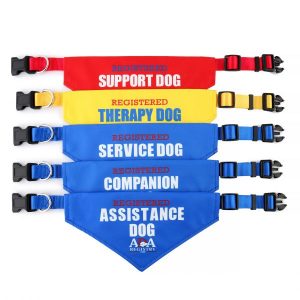
Service Dog Bandana
$39.95 Learn more This product has multiple variants. The options may be chosen on the product page
Custom ID Cards

Custom ID Cards
All States

Canada Cards

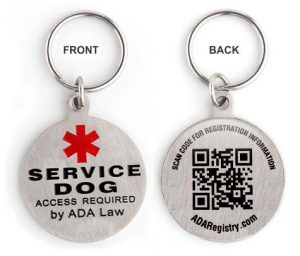
Custom Service Dog Tags
Official Dog Vests

Smart Vests
Official Public Access Kits
Complete Kits
USA & CANADA Letters

High Quality Bandanas
Service Dog Tags
Smart Tags

ESA TAGS