Tibetan Spaniel as a Service Dog
Register Any Breed
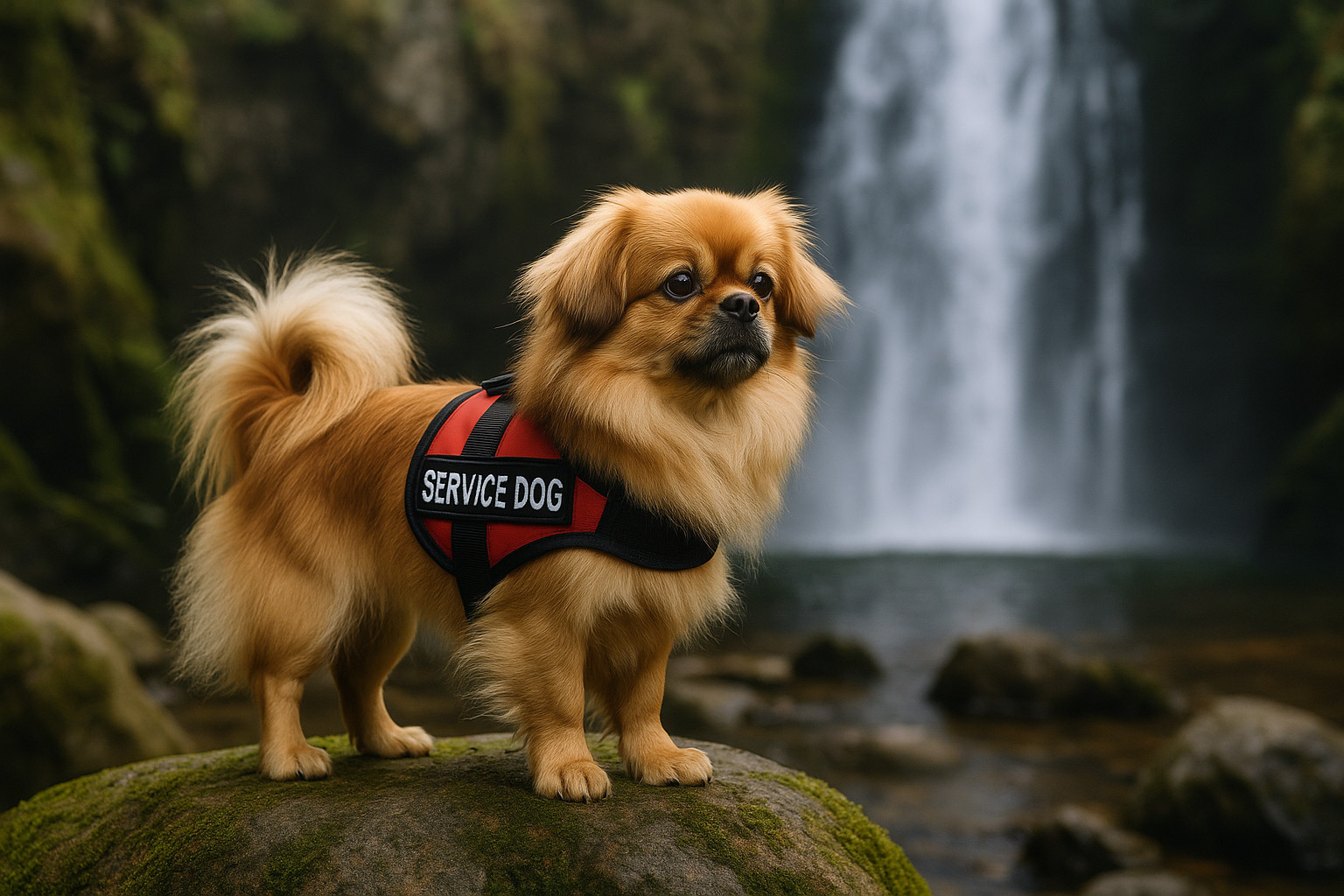
The Tibetan Spaniel, often revered as a "little lion," is a captivating breed known for its charming appearance and intelligent demeanor. Although typically associated with being excellent companions, the unique characteristics of the Tibetan Spaniel can lend themselves to certain types of service work. This article provides an in-depth exploration of the Tibetan Spaniel as a potential service dog, evaluating their physical attributes, temperament, training suitability, and potential health concerns.
Tibetan Spaniel Overview
Originating in Tibet, the Tibetan Spaniel has a long history of serving as a companion and protector for Buddhist monks in monasteries. Their keen observation skills and intelligent behavior made them ideal watchdogs in monastic settings. Today, these traits, paired with their affable nature, make them potential candidates for specific service roles.
Physical Characteristics
The Tibetan Spaniel is a small, sturdy dog, typically weighing between 9 to 15 pounds and standing about 10 inches tall. Despite their compact size, they possess a robust and well-balanced physique. Their size, while perfect for navigating indoor environments, might limit their suitability for certain service roles that require physical strength or endurance. Nonetheless, they excel in tasks that benefit from their agility and compact stature. Key physical features include:
- Size: Compact and lightweight, requiring less space and suitable for apartment living.
- Coat: A double-coat with a silky texture that offers moderate protection against the elements but requires regular grooming to maintain.
- Bearing: Their gait is smooth and deliberate, reflecting their alertness and confidence.
Temperament and Attitude
Tibetan Spaniels are known for their warm and affectionate nature. They form strong bonds with their human counterparts and are particularly noted for their loyalty and loving demeanor. This natural empathy makes them well-suited for roles in emotional support or therapy contexts. However, their independence can sometimes be mistaken for aloofness, which means that they might not always be eager to please in the way that some other breeds, like the Labrador Retriever, might be.
- Alertness: Highly observant and sensitive to changes in their environment.
- Independence: Though affectionate, they display a strong sense of independence.
- Social Nature: Typically good with families and children but require early socialization to warm up to strangers.
Types of Service Work
While Tibetan Spaniels might not be the first choice for many traditional service dog roles due to their size and independent streak, they can excel in certain areas:
- Emotional Support: Their empathetic nature and ability to sense the emotional needs of humans make them excellent emotional support animals.
- Therapy Work: Their friendly and gentle nature make them great candidates for therapy work in hospitals and care facilities.
- Alert Systems: Though smaller in stature, their acute hearing and alert nature can be utilized in specialized alert roles, such as hearing assistance for individuals with hearing impairments.
Health Considerations
Like any breed, Tibetan Spaniels come with specific health concerns that can influence their role as service dogs. Common health issues include:
- Progessive Retinal Atrophy (PRA): A genetic condition that can lead to blindness, requiring careful monitoring and potential breeding considerations.
- Patellar Luxation: A common condition in smaller breeds that might impact their mobility.
- Brachycephalic Syndrome: Caused by their shorter snouts, which can influence breathing and require accommodations in hot or high-energy environments.
Training and Suitability
Tibetan Spaniels are intelligent and learn quickly, but their independent nature can sometimes make training challenging. Effective training strategies should focus on consistency and positive reinforcement. While they may not be as eager to follow repetitive commands as other breeds, their intelligence and capacity for learning complex tasks mean they can be trained effectively for the right roles.
Register Any Breed
- Training Approach: Requires patience and consistency, with a focus on building trust and understanding.
- Socialization Needs: Early socialization is imperative to ensure they are well-adjusted in various environments.
- Suitability: Best suited for individuals or families who need a loving companion without demanding high-intensity support roles.
Summary of Tibetan Spaniel
In summary, the Tibetan Spaniel, with its rich history and unique characteristics, can be a suitable service dog for certain roles, particularly those involving emotional support and companionship. While their size and some health limitations may not suit all traditional service roles, their intelligence, affection, and adaptability make them ideal for specific contexts.
- Strengths:
- Compact size suitable for many living situations
- Highly empathetic and affectionate
- Strong observational skills
- Weaknesses:
- Independence can make training challenging
- Limited by size for some physical support roles
- Ideal Service Roles:
- Emotional support companion
- Therapy dog in medical or senior care facilities
- Hearing alert roles
By understanding and appreciating the individuality of the Tibetan Spaniel, and acknowledging both their limitations and unique benefits, individuals can make informed decisions about utilizing this breed for service work.


-
Public Access Kits
$149.00 Learn more This product has multiple variants. The options may be chosen on the product page -
Quick Ship Premium Vests
$48.00 – $82.00 Learn more This product has multiple variants. The options may be chosen on the product page -
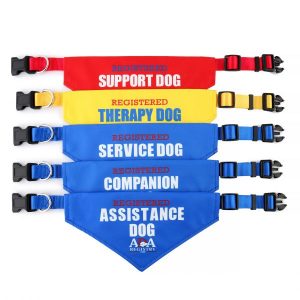
Service Dog Bandana
$39.95 Learn more This product has multiple variants. The options may be chosen on the product page
Custom ID Cards

Custom ID Cards
All States

Canada Cards

Custom Service Dog Tags
Official Dog Vests

Smart Vests
Official Public Access Kits
Complete Kits
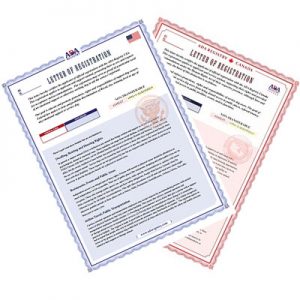
USA & CANADA Letters
High Quality Bandanas
Service Dog Tags
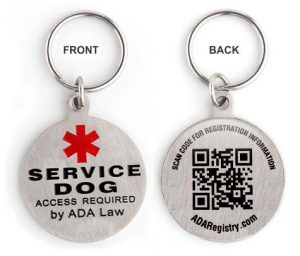
Smart Tags

ESA TAGS