Tibetan Spaniel as a Therapy Dog
Register Any Breed
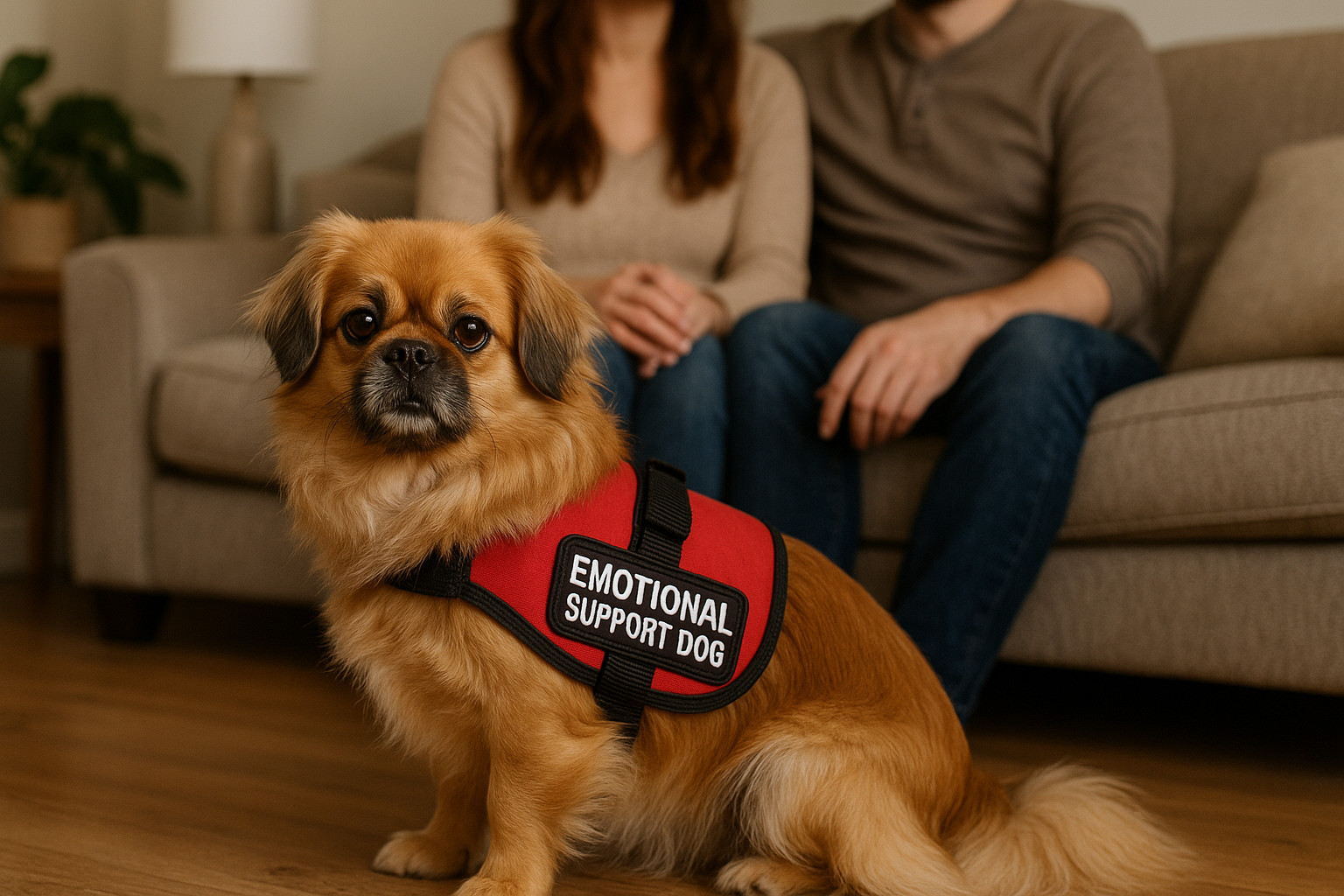
Tibetan Spaniel as a Therapy Dog Overview
Tibetan Spaniels are known for their gentle disposition, keen intelligence, and adaptable nature. Appropriately nuanced for therapy work, Tibetan Spaniels offer emotional support and companionship in various settings, making them highly effective as therapy dogs. This article explores the specific qualities of Tibetan Spaniels that make them ideal candidates for therapy roles, examining their personality traits, health considerations, and training readiness.
Understanding the Therapy Dog Role
Therapy dogs provide comfort, support, and emotional relief to individuals in diverse environments. They often visit hospitals, schools, and mental health facilities, showcasing a calm demeanor and empathetic personality to engage positively with patients and clients. Unlike service dogs, therapy dogs are not trained to perform specific tasks but instead offer general emotional assistance.
Physical Appearance and Energy Level
Tibetan Spaniels are small dogs, typically weighing between 9 and 15 pounds and standing about 10 inches tall. Their compact size is advantageous for therapy roles as it allows them to easily maneuver in crowded or confined spaces, such as hospital wards or classroom settings. They have a moderate energy level, making them adept at both being calm and engaging when appropriate. Their ability to remain composed enhances their effectiveness in tranquil therapy environments.
Personality and Emotional Intelligence
Tibetan Spaniels exhibit an exceptionally friendly demeanor combined with high emotional intelligence, crucial for therapy work. Their innate ability to sense the emotions of those around them allows them to gauge when to offer comfort or when to maintain a gentle presence. Their empathetic nature often translates into an ability to provide subtle, intuitive responses to human emotional cues, fostering therapeutic connections with individuals from various backgrounds.
Environments Where Tibetan Spaniel Excels
These dogs perform exceptionally well in quiet, structured settings where individual interactions are key. Tibetan Spaniels are particularly effective in environments such as:
- Nursing homes, where their gentle touch can uplift elderly residents.
- Rehabilitation centers, where they provide a soothing presence to those undergoing intense therapy.
- Schools, particularly with children who may experience anxiety or stress, offering a calm and understanding presence.
Common Therapy Settings
Tibetan Spaniels can be integrated into a variety of therapy settings, including:
- Hospitals: Bringing comfort to patients during recovery.
- Mental health facilities: Assisting therapists by offering non-judgmental affection to individuals in counseling sessions.
- Community centers: Enhancing programs designed for stress relief or emotional support.
Interactions with Different Populations
The Tibetan Spaniel’s adaptability is evident in interactions with diverse groups. Whether engaging with seniors who benefit from their companionship or children who thrive under a nurturing presence, Tibetan Spaniels bring a sensitivity crucial for effective therapy work. Their patience and gentle touch enable them to work seamlessly with vulnerable populations requiring consistent, empathetic interaction.
Register Any Breed
Health and Wellness Factors
Ensuring a therapy dog’s health and wellness is vital for sustainable therapy work. Tibetan Spaniels are generally healthy, yet they require regular veterinary care to maintain health standards essential for therapy work. These dogs enjoy a lifespan of around 12 to 15 years. Frequent grooming is necessary to maintain their coat, and a balanced diet helps keep their weight ideal, ensuring they remain agile and fit for their roles.
Lifespan and Common Health Issues
The Tibetan Spaniel is prone to some hereditary health issues, which can affect their therapy work capacity. Conditions to be aware of include:
- Progressive retinal atrophy (PRA): Regular eye screenings are recommended.
- Patellar luxation: Joint care through appropriate exercise and diet is essential.
Despite these considerations, with proper care, Tibetan Spaniels maintain robust health conducive to therapy work.
Maintenance and Care Needs
Grooming is an important aspect of maintaining a Tibetan Spaniel as a therapy dog. Their medium-length double coat requires regular brushing to prevent matting and tangling. Regular grooming not only keeps their coat in optimal condition but also ensures they present well in therapy settings, enhancing the comfort of those they interact with. Additionally, basic maintenance such as dental care, nail trimming, and ear checks are essential.
Training and Certification Readiness
Training Tibetan Spaniels for therapy work involves socialization, obedience, and exposure to varied environments. This breed displays excellent learning capabilities due to their intelligence, albeit with a touch of independence that requires consistent, positive reinforcement techniques. Achieving certifications from recognized therapy dog organizations ensures that Tibetan Spaniels meet professional standards for therapy work.
Learning Style and Responsiveness
Despite their independent streak, Tibetan Spaniels are highly responsive and motivated learners, particularly with training that incorporates praise and positive reinforcement. Their sharp intelligence allows them to adapt quickly, making them suitable candidates for therapy certification programs. Effective training engages their cooperative nature, ensuring they remain adaptable to different therapeutic scenarios.
Handling Social and Emotional Stimuli
Therapy settings can involve varying levels of emotional stimuli. Tibetan Spaniels manage these scenarios effectively due to their calm and collected temperament. They engage in positive interactions without exhibiting stress or anxiety, making them well-suited to handle the intensity of human emotions encountered in therapy roles.
Strengths, Limitations, and Ideal Roles for Tibetan Spaniel
Strengths:
- Exceptional with personal interactions due to their emotional intelligence.
- Adaptable to various therapy settings due to their calm demeanor.
- Less suited for high-energy environments due to their moderate activity levels.
- Potential health concerns require ongoing monitoring, which can affect long-term service capabilities.
Limitations:
Final Thoughts
In summary, Tibetan Spaniels are excellent therapy dogs, offering comfort and support to individuals across many settings. Their gentle nature, combined with their ability to sense and respond to human emotion, makes them valuable additions to therapy programs. With proper care and training, Tibetan Spaniels excel in bringing joy and relief to those in need of emotional support.
Key Takeaways for the Tibetan Spaniel as a Therapy Dog
- Best suited for: Quiet, controlled environments needing empathetic interaction.
- Not ideal for: Extremely high-energy or chaotic settings that require heightened stamina and endurance.
- Temperament highlights: Empathetic, calm, astute with emotional intelligence.
- Care and health notes: Regular grooming and health check-ups to prevent common issues.
- Therapy environments where they shine: Nursing homes, rehabilitation centers, and schools, particularly with older individuals and children.
This exploration of the Tibetan Spaniel as a therapy dog underlines the breed’s potential to enhance the lives of those they serve, reinforcing their role as compassionate canine companions in the therapy landscape.


-
Public Access Kits
$149.00 Learn more This product has multiple variants. The options may be chosen on the product page -
Quick Ship Premium Vests
$48.00 – $82.00 Learn more This product has multiple variants. The options may be chosen on the product page -
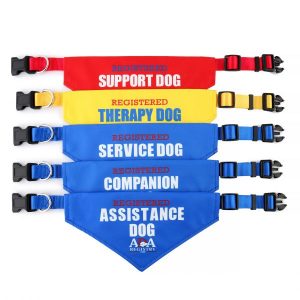
Service Dog Bandana
$39.95 Learn more This product has multiple variants. The options may be chosen on the product page
Custom ID Cards

Custom ID Cards
All States

Canada Cards

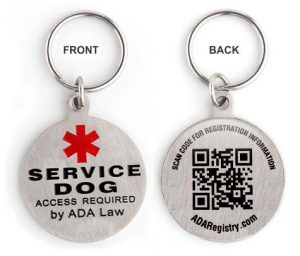
Custom Service Dog Tags
Official Dog Vests

Smart Vests
Official Public Access Kits
Complete Kits
USA & CANADA Letters

High Quality Bandanas
Service Dog Tags
Smart Tags

ESA TAGS