Tibetan Terrier as an Emotional Support Dog
Register Any Breed
Understanding the Emotional Support Role
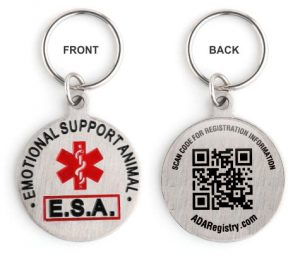
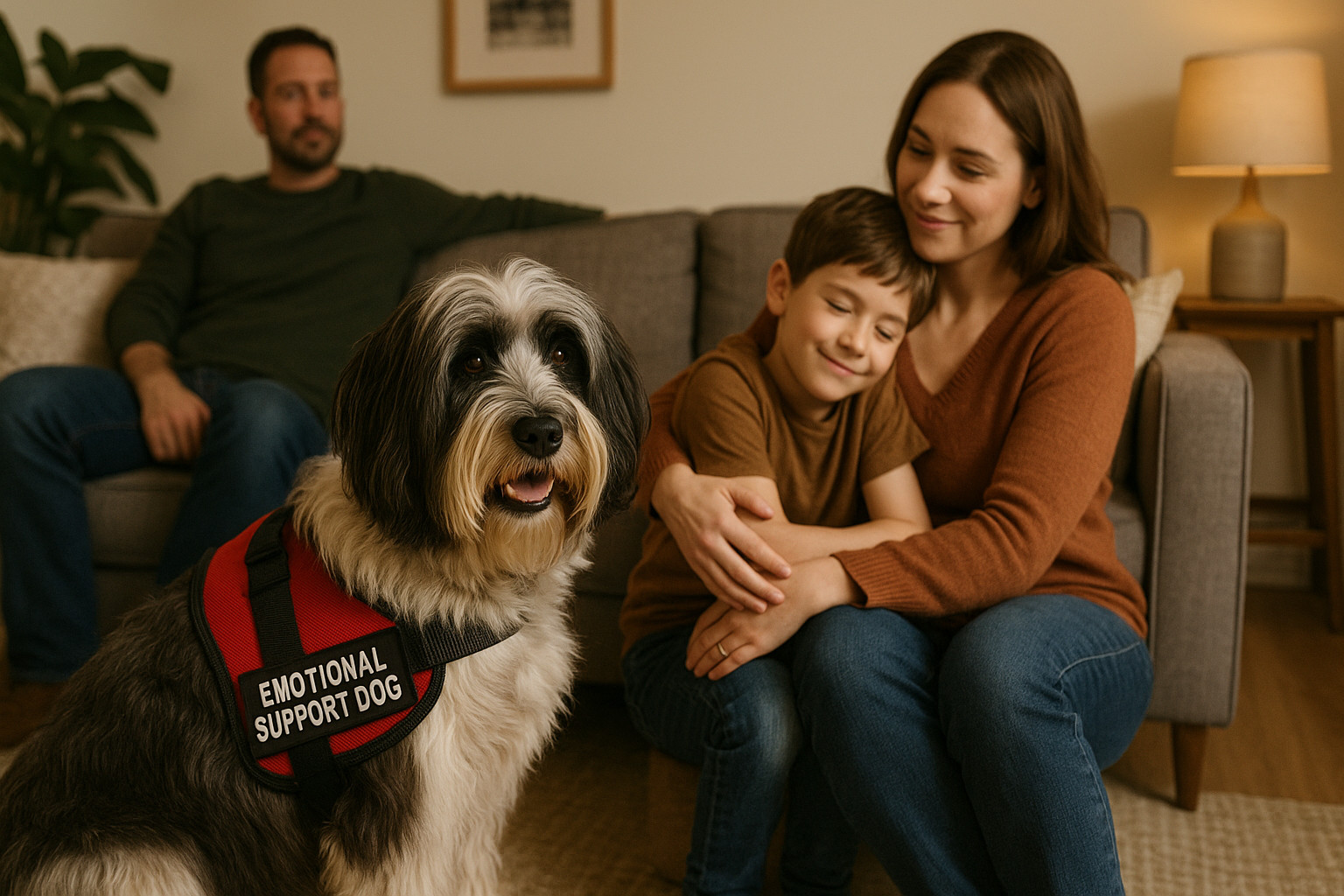
The role of an emotional support animal (ESA) is to provide companionship, relieve loneliness, and sometimes help with depression, anxiety, and certain phobias. They are not required to perform specific tasks like service animals, but their primary job is to offer emotional comfort to their handlers. When considering a breed for this important role, the Tibetan Terrier stands out due to its affectionate nature, intelligence, and adaptability.
Tibetan Terrier Overview
The Tibetan Terrier, known for its strong bond with humans, traces its origins back to the monasteries of Tibet, where it was cherished as a companion and good luck charm. Despite its name, it is not a terrier in the traditional sense, but their friendly disposition and sturdy build make them strong candidates as emotional support animals. Standing at around 14 to 17 inches tall and weighing between 20 to 24 pounds, Tibetan Terriers are medium-sized dogs that fit comfortably in various living spaces.
Temperament and Emotional Connection
Tibetan Terriers exhibit a warm disposition marked by intelligence and sensitivity. These qualities are crucial for an emotional support dog, as they can intuitively understand and respond to their owner's emotions. Their naturally attentive demeanor makes them excellent listeners, while their playful, joyful spirit can bring a smile to faces even on the toughest days.
Their ability to form deep emotional connections is partly due to their strong desire to be around their human companions. They thrive on love and return it tenfold, often seeking out interactions and opportunities to sit by their owner’s side or participate in group activities.
Adaptability and Daily Behavior
One of the Tibetan Terrier's most advantageous traits as an ESA is its adaptability. This breed adjusts well to various living environments, whether it is a bustling city apartment or a quiet suburban home. They are generally moderate in energy, making them a good match for diverse lifestyles, from active families to individuals seeking a low-maintenance companion.
Their daily behavior reflects balance; they enjoy walks and playtime, yet they are equally content to relax indoors. This flexibility helps them meet the emotional needs of their handlers because they can adjust their energy levels according to the situation and their owner’s mood.
Situations Where Tibetan Terrier Provides Strong Support
Tibetan Terriers shine in providing support in scenarios where consistent companionship is key. Their presence can alleviate feelings of isolation or loneliness, commonly experienced by individuals with anxiety or depression. They offer a comforting presence during stressful situations, such as public outings or personal crises, by instinctively offering affection and reassurance.
Register Any Breed
Moreover, Tibetan Terriers can help diffuse emotionally charged environments, offering a soothing presence in hectic households or during tense family interactions. They are particularly beneficial in settings where anxiety or emotional distress might arise, as they have a knack for offering calm and focus amid disorder.
Ideal Living Environments
Tibetan Terriers are versatile in their living arrangements. They perform well in both small apartments — benefiting from short, regular walks — and spacious family homes with fenced yards where they can explore. Assisted living facilities can also be ideal settings due to their size and the companionship they offer to residents. Their adaptability allows them to contribute positively to the emotional atmosphere of wherever they reside.
Bonds with Different Types of People
The Tibetan Terrier's ability to form bonds with a variety of people makes them exceptional emotional support dogs. They are known for their loyalty to family members, but also possess a gentle demeanor that puts strangers at ease, crucial for individuals needing emotional support in varied social settings. Their gentle nature benefits children and seniors alike, providing gentle play for the former and quiet companionship for the latter.
Health, Care, and Wellbeing
Common Health Considerations
Understanding the health requirements of a Tibetan Terrier ensures they can focus on supporting their owner without hindrance. They are generally healthy dogs but can be prone to certain genetic conditions, such as hip dysplasia and progressive retinal atrophy. Regular veterinary check-ups, balanced nutrition, and controlled exercise ensure they remain in top condition to fulfill their role as emotional support animals.
Grooming, Comfort, and Maintenance Needs
Tibetan Terriers have a long, fine coat that requires regular grooming to prevent tangles and matting. This grooming routine can serve as an additional bonding activity, offering mutual comfort. Bathing, nail trimming, and dental care are part of their grooming needs, ensuring they remain healthy and comfortable, ready to offer their full attention to their owner’s well-being.
Preparing a Tibetan Terrier for Emotional Support Work
Socialization and Responsiveness
Socialization is critical for a Tibetan Terrier's role as an emotional support animal. Introducing them to various environments, people, and experiences from a young age enhances their confidence and stability. Basic obedience training further develops their responsiveness, ensuring they can maintain focus as trustworthy companions.
Managing Stress and Emotional Cues
Tibetan Terriers are sensitive to their handler’s emotions and can excel in managing stress and recognizing emotional cues. Training them to understand specific emotional triggers and respond with appropriate behavior enhances their ability to provide effective support. Teaching them calming techniques and establishing routines helps manage stress for both the dog and handler.
Strengths, Challenges, and Ideal Homes for Tibetan Terrier
The Tibetan Terrier's strengths lie in its nurturing nature, adaptability, and emotional sensibility, making it a suitable match for those requiring emotional support. However, their need for regular social interaction and attention may pose challenges for individuals unable to provide sufficient companionship or engagement.
Ideal homes for a Tibetan Terrier include those with single owners, families with children, or seniors in need of dependable companionship. They are best suited for people who can commit time to interactive play, training, and grooming, ensuring they are well cared for and happy.
Final Thoughts
The Tibetan Terrier, with its affectionate nature and intuitive understanding of human emotions, makes a phenomenal emotional support dog. By providing consistent, loving companionship, they help mitigate emotional difficulties and promote emotional wellness. With proper training, care, and socialization, Tibetan Terriers can serve as the loyal companions that many people need for emotional support.
Key Takeaways for the Tibetan Terrier as an Emotional Support Dog
- Best suited for: Individuals or families seeking affectionate, adaptive companions; ideal for homes with regular social interaction.
- Not ideal for: People unable to provide regular engagement and grooming or those with limited time for socializing their pet.
- Emotional traits: Intuitive, affectionate, sensitive to human emotions, playful yet calm.
- Care and health notes: Regular grooming, consistent health check-ups, manageable exercise needed.
- Environments where they provide the most comfort: Adaptable to various settings; suitable for family homes, apartments, assisted living environments.


-
Public Access Kits
$149.00 Learn more This product has multiple variants. The options may be chosen on the product page -
Quick Ship Premium Vests
$48.00 – $82.00 Learn more This product has multiple variants. The options may be chosen on the product page -
Service Dog Bandana
$39.95 Learn more This product has multiple variants. The options may be chosen on the product page
Custom ID Cards

Custom ID Cards
All States

Canada Cards
Custom Service Dog Tags
Official Dog Vests
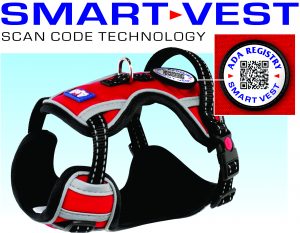
Smart Vests
Official Public Access Kits
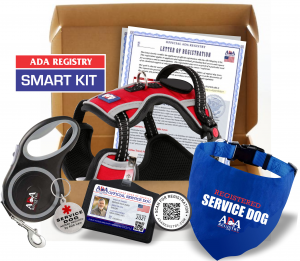
Complete Kits
USA & CANADA Letters
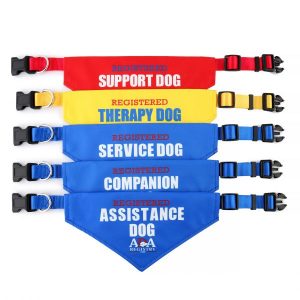
High Quality Bandanas
Service Dog Tags
Smart Tags

ESA TAGS