Vizsla as a Therapy Dog
Register Any Breed
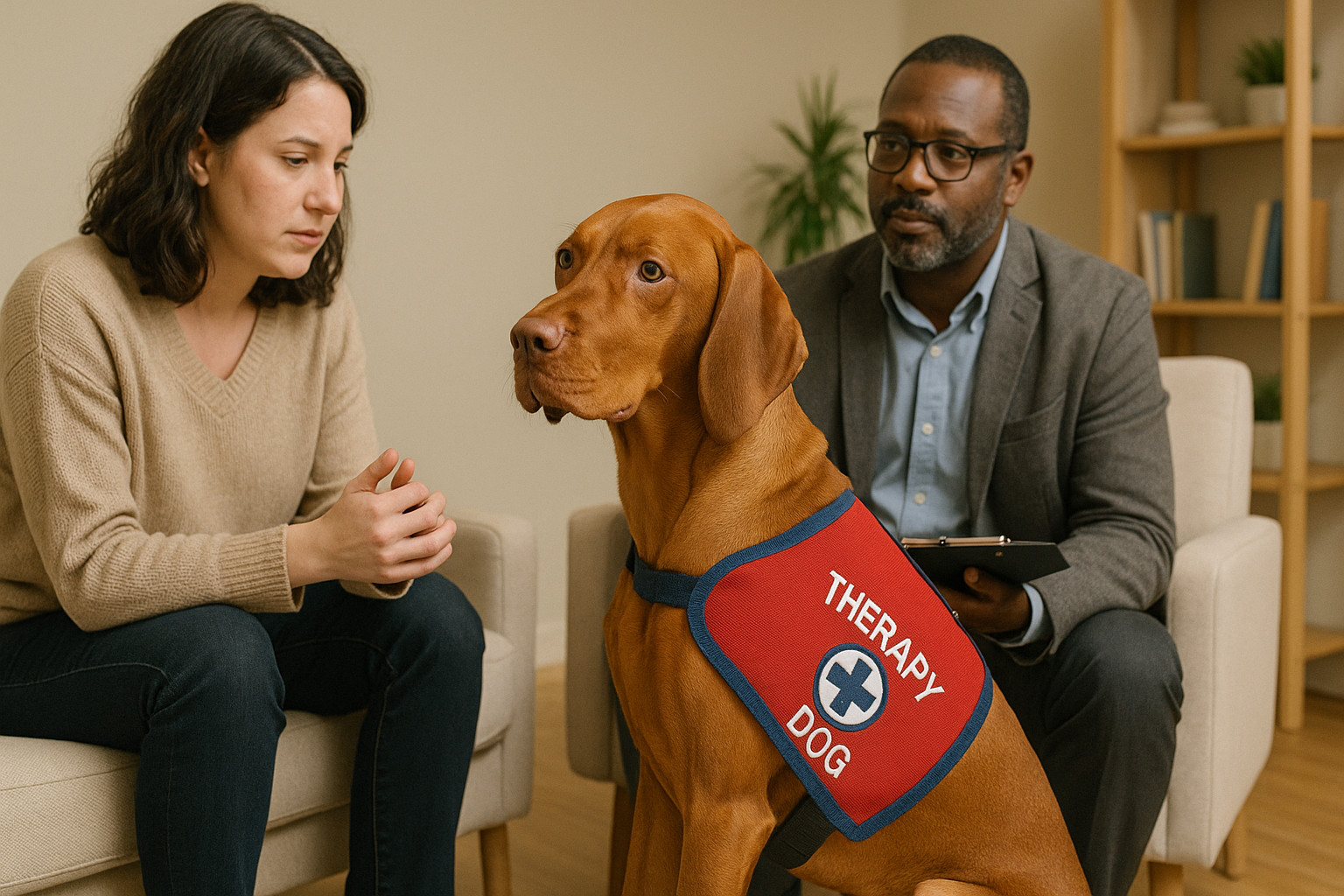
The Vizsla, with its striking golden rust coat and expressive eyes, is increasingly recognized for its potential as a therapy dog. Known for their affectionate nature and high energy levels, Vizslas can provide emotional support and comfort in various therapy settings. In this article, we shall delve deep into the various factors that make the Vizsla an excellent choice for therapy work and also examine any limitations.
Vizsla as a Therapy Dog Overview
Understanding the Therapy Dog Role
Therapy dogs are pivotal in providing emotional support, comfort, and companionship to individuals facing physical or emotional challenges. Unlike service dogs, therapy dogs don’t receive specific training to perform tasks for individuals with disabilities. Instead, they are trained to offer comfort in environments such as hospitals, schools, and rehabilitation centers.
#### How Vizsla Fits the Role:
- Empathy and Sensitivity: The Vizsla is naturally empathetic, able to read human emotions and respond with sensitivity.
- Calm Demeanor: Despite being energetic, they exhibit a calm demeanor when trained, allowing them to excel in environments requiring emotional stability.
- Adaptability: Flexible to diverse settings due to their adaptive nature, making them suitable for various therapy contexts.
Physical Appearance and Energy Level
Vizslas are medium-sized dogs with a distinctive golden rust coat, giving them an appealing appearance that often attracts attention and invites interaction. Their physical attributes contribute significantly to their role as therapy dogs.
#### Key Physical Traits:
- Athletic Build: This attribute allows them to perform well in physical activities which can be therapeutic in itself in certain settings.
- High Energy Levels: While their energy needs to be managed, their vigor can significantly enhance interactive therapy sessions.
Personality and Emotional Intelligence
Personality traits of Vizslas align well with the demands of therapy work. Their intelligence and emotional responsiveness are critical in therapy settings, where understanding complex human emotions and adapting to them is essential.
#### Notable Personality Traits:
Register Any Breed
- Affectionate Nature: Known as “velcro dogs,” they form strong bonds with humans and thrive on close human contact.
- Emotional Intelligence: Vizslas possess a keen ability to sense emotions, an asset that enables them to provide comfort effectively.
Environments Where Vizsla Excels
The Vizsla’s versatility makes it an ideal candidate for a wide range of environments. Familiarizing oneself with the environments where Vizslas thrive will ensure they are placed in settings where their skills are best utilized.
#### Optimal Environments:
- Hospitals and Rehabilitation Centers: Their gentle temperament and calming presence make them excellent companions for patients in these settings.
- Schools: Their playful yet calm nature makes them wonderful for children who need a non-judgmental listener or playmate during therapy sessions.
Common Therapy Settings
While there are numerous settings where therapy dogs can work, understanding which ones align best with a Vizsla’s temperament is vital for successful interactions.
#### Typical Therapy Settings for Vizslas:
- Elder Care Facilities: Offer companionship and comfort to the elderly, many of whom may suffer from loneliness or depression.
- Rehabilitation Programs: Assist in providing motivation and emotional support to individuals recovering from various health conditions.
Interactions with Different Populations
Vizslas are known for their ability to interact positively with a wide array of individuals, from children to the elderly. Their approachability and gentle nature make them suitable to connect on a personal level with various demographics.
#### Population Interactions:
- Children: Their playful yet patient demeanor makes them perfect for engaging with young audiences in a therapeutic context.
- Elderly: Provide comfort and a sense companionship, uplifting spirits and aiding in emotional healing.
Health and Wellness Factors
The health and wellness of a therapy dog are pivotal for effective performance. A therapy dog must be well-cared for to ensure they can consistently offer support and impose no health risks to the individuals they are aiding.
#### Health Considerations:
- Regular Veterinary Visits: Key to maintaining health and preventing ailments common to Vizslas.
- Grooming Needs: Consistent grooming is essential to ensure they are clean and presentable for all interactions.
Lifespan and Common Health Issues
Understanding the lifespan and health issues of the Vizsla assists potential therapy dog handlers in preparing for long-term commitments.
#### Lifespan and Health Concerns:
- Lifespan: Typically 12-14 years, offering a prolonged period for building enduring therapy relationships.
- Common Health Issues: Include hip dysplasia, epilepsy, and some eye conditions. Regular check-ups can mitigate these risks.
Maintenance and Care Needs
Caring for a Vizsla entails meeting various needs, from exercise to grooming, to ensure they can perform optimally as therapy companions.
#### Care Essentials:
- Exercise Requirements: High energy levels necessitate ample daily exercise to maintain a calm therapy demeanor.
- Diet and Nutrition: Balanced diet crucial for overall health and longevity.
Training and Certification Readiness
For a Vizsla to serve effectively, they must undergo appropriate training and achieve necessary certifications.
#### Training Elements:
- Obedience Training: Establishes basic commands and discipline essential for structured therapy sessions.
- Certification Programs: Various programs are available to certify a Vizsla as a therapy dog, ensuring they meet professional standards.
Learning Style and Responsiveness
Vizslas are known for their intelligence and trainability, albeit requiring consistency and patience.
#### Learning Traits:
- Quick Learners: Require stimulation through varied and engaging training activities.
- Responsive to Positive Reinforcement: Thrive on encouragement and rewards, making them more eager to learn.
Handling Social and Emotional Stimuli
Therapy settings can be unpredictable; thus, a Vizsla’s response to social and emotional stimuli is critical for success.
#### Emotional Handling:
- Calm in Stressful Situations: Their training ensures they maintain composure, providing emotional stability to others.
- Social Engagement: Naturally outgoing, facilitating meaningful interactions with diverse groups.
Strengths, Limitations, and Ideal Roles for Vizsla
While the Vizsla boasts numerous strengths as a therapy dog, it’s essential to recognize potential limitations to ensure their well-being and the success of their therapy mission.
#### Strengths:
- Affectionate and Social: Easily forms bonds, creating impactful emotional connections.
- Adaptive and Intelligent: Quick to acclimate and respond to therapeutic roles.
#### Limitations:
- High Energy Levels: Must be adequately exercised to prevent overexcitement in therapy settings.
- Sensitivity: May need extra reassurance in unfamiliar or loud environments.
Final Thoughts
Vizslas, with their unique blend of empathy, intelligence, and affection, are poised to make remarkable therapy dogs. While they require proper management of their energy and consistent training, their capacity to offer comfort and companionship makes them invaluable in therapy roles.
Key Takeaways for the Vizsla as a Therapy Dog
- Best suited for: Hospitals, schools, elder care, and rehabilitation centers.
- Not ideal for: Calm environments requiring less engagement and lower energy stimulation.
- Temperament highlights: Affectionate, empathic, social, and intelligent.
- Care and health notes: Requires consistent exercise, attentive grooming, and regular health check-ups.
- Therapy environments where they shine: Dynamic settings with varying demographic interactions, including children, adults, and the elderly.


-
Public Access Kits
$149.00 Learn more This product has multiple variants. The options may be chosen on the product page -
Quick Ship Premium Vests
$48.00 – $82.00 Learn more This product has multiple variants. The options may be chosen on the product page -
Service Dog Bandana
$39.95 Learn more This product has multiple variants. The options may be chosen on the product page
Custom ID Cards
Custom ID Cards
All States
Canada Cards
Custom Service Dog Tags
Official Dog Vests
Smart Vests
Official Public Access Kits
Complete Kits
USA & CANADA Letters
High Quality Bandanas
Service Dog Tags
Smart Tags
ESA TAGS