Welsh Springer Spaniel as a Therapy Dog
Register Any Breed
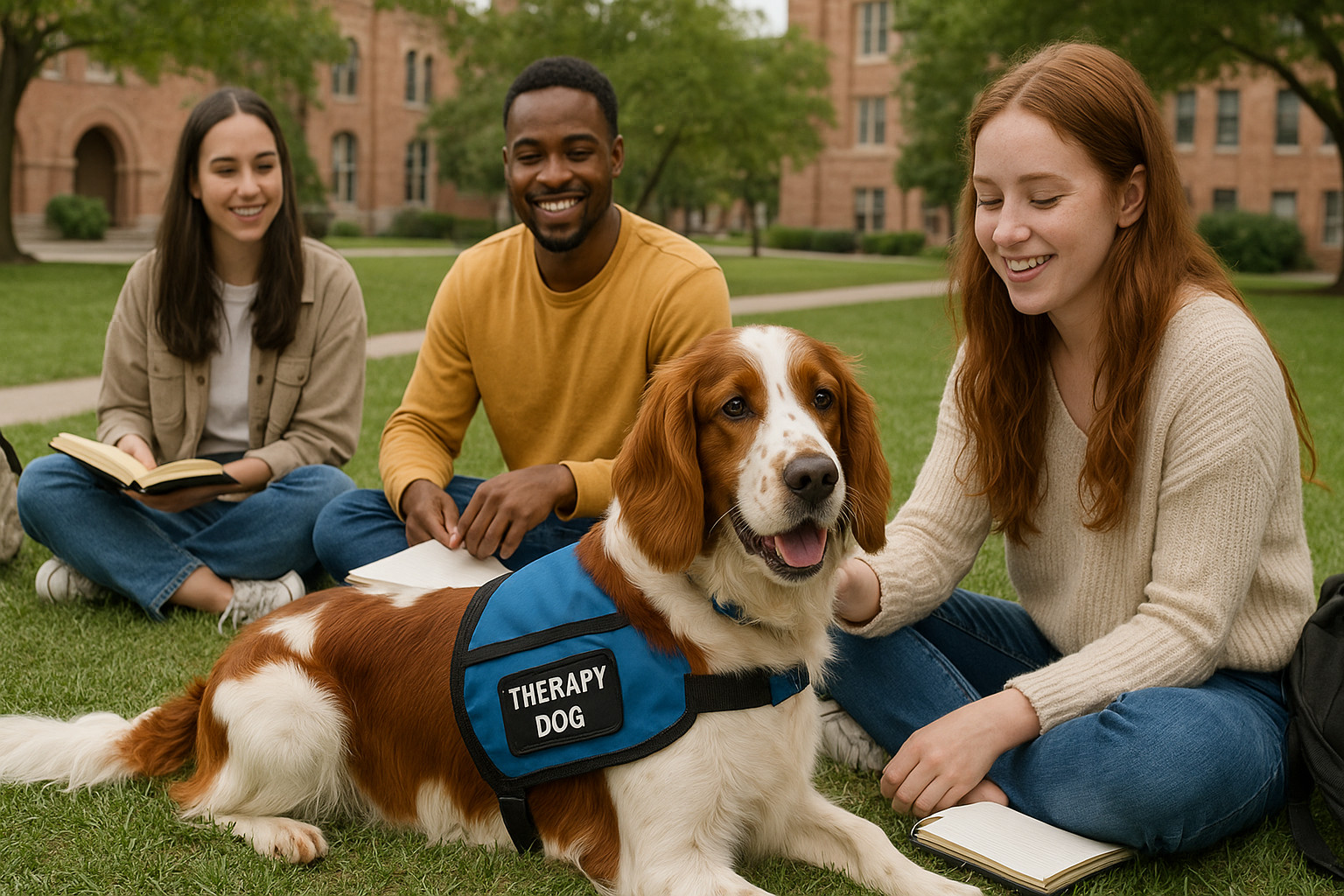
Welsh Springer Spaniel as a Therapy Dog Overview
The Welsh Springer Spaniel, with its friendly demeanor and adaptable nature, is gradually becoming a popular choice for therapy dog roles. Known for their affectionate nature, this breed effortlessly bonds with people, making them ideal candidates for therapeutic settings. Their keen sensitivity to human emotions and steady temperament are assets in various environments where emotional support and companionship are needed.
Understanding the Therapy Dog Role
Therapy dogs provide comfort and support to individuals in hospitals, schools, nursing homes, and other facilities. These dogs are different from service or working dogs as they are not trained to perform specific tasks for individuals with disabilities but rather to nurture emotional well-being. As therapy dogs, Welsh Springer Spaniels must possess an innate calmness, a gentle demeanor, and a love for human interaction.
Physical Appearance and Energy Level
Welsh Springer Spaniels are medium-sized dogs characterized by a distinctive red and white coat. Their athletic build contributes to a lively demeanor, essential for engaging and interacting with various individuals during therapy sessions. Despite their high energy levels, these dogs are known for being manageable when properly exercised, allowing them to maintain a serene presence in more sedentary therapy environments.
- Size: Medium (typically 40-55 pounds)
- Coat: Medium length, requires regular grooming
- Energy: High, but well-contained with proper activity
Their size and energetic nature make them suitable for environments that allow for some playfulness, contributing positively to therapeutic settings where interaction and stimulation are beneficial.
Personality and Emotional Intelligence
Welsh Springer Spaniels are naturally sociable and display remarkable emotional intelligence. They exhibit an extraordinary capacity to connect with people emotionally, often sensing and responding to mood changes. Their adaptability in reading human emotions allows them to provide bespoke comfort and engagement, making them a solid choice for therapy work.
- Key Traits:
- Highly empathetic
- Friendly and affectionate
- Responsive to human emotions
Environments Where Welsh Springer Spaniel Excels
This breed thrives in environments that require both active engagement and calm downtime. Ideal settings include:
- Schools: Where they can engage with children and provide gentle companionship
- Rehabilitation Centers: Perfect for their soothing presence during therapy sessions
- Hospitals: Where they offer comfort and distraction to patients and staff
The Welsh Springer's ability to adapt to both vibrant and calm atmospheres ensures they can navigate diverse therapeutic landscapes effectively.
Register Any Breed
Common Therapy Settings
Welsh Springer Spaniels excel in various therapy settings due to their versatile nature:
#### Hospitals and Nursing Homes In medical environments, these dogs provide emotional upliftment, comforting patients, and reducing anxiety.
#### Schools and Educational Programs Their gentle nature makes them wonderful companions for children, especially in reading programs, where their presence encourages reluctant readers.
#### Therapeutic and Counseling Practices They offer non-judgmental support which assists therapists during patient sessions by creating a relaxed environment.
Interactions with Different Populations
Welsh Springer Spaniels are known for their ability to interact seamlessly with diverse populations:
- Children: Gentle and playful, fostering an engaging and supportive interaction.
- Elderly Individuals: Provide companionship and warmth, easing feelings of loneliness and stress.
- Individuals with Disabilities: Offer a non-verbal connection that is comforting and emotionally supportive.
The breed’s versatility ensures that it can adjust its interaction style based on the needs of individuals, offering tailored emotional support.
Health and Wellness Factors
Health is a crucial consideration for therapy dogs, as it impacts their ability to work effectively and safely. Welsh Springer Spaniels are generally healthy, but like all breeds, they are prone to specific health conditions:
#### Lifespan and Common Health Issues They typically have a lifespan of 12–15 years, with some being prone to:
- Hip Dysplasia
- Autoimmune Thyroiditis
- Ear Infections
Maintenance and Care Needs
Proper care is pivotal to ensure the Welsh Springer Spaniel's endurance in therapy roles:
- Grooming: Regular brushing and grooming sessions help maintain their coat, reducing shedding and allergens, crucial for therapy visits.
- Exercise: Daily exercise is necessary to maintain their physical and mental health, ensuring they remain calm and focused during therapy work.
Training and Certification Readiness
Their intelligence and responsiveness make Welsh Springer Spaniels highly trainable for therapy dog certification. These traits ensure they can effectively undergo specialized training:
- Learning Style and Responsiveness: They are eager to please, which facilitates training processes.
- Handling Social and Emotional Stimuli: The breed's emotional sensitivity makes them adept at learning commands that require empathy and patience.
Training them in environments similar to their intended therapy settings will further enhance their learning outcomes, enabling quick adaptation once in active duty.
Strengths, Limitations, and Ideal Roles for Welsh Springer Spaniel
#### Strengths
- Strong ability to form emotional connections.
- Adept at reading human emotions and moods, facilitating effective therapeutic interactions.
- Versatile and capable of thriving in diverse environments.
#### Limitations
- High energy levels may require managing in less active settings.
- Prone to certain health issues that may impede frequent therapy visitations.
Final Thoughts
The Welsh Springer Spaniel embodies many qualities desirable in a therapy dog, with its friendly disposition, intelligence, and adaptability. Its ability to provide comfort and emotional support in various settings makes it an exceptional candidate for therapy work, provided its physical needs and health are consistently maintained.
—
Key Takeaways for the Welsh Springer Spaniel as a Therapy Dog
- Best suited for: Schools, hospitals, rehabilitation centers, and nursing homes.
- Not ideal for: Environments requiring minimal activity or those that cannot accommodate medium-sized dogs.
- Temperament highlights: Empathetic, adaptable, and friendly.
- Care and health notes: Regular grooming and exercise are essential; monitor for hip dysplasia and ear infections.
- Therapy environments where they shine: Child reading programs, patient emotional support in hospitals, and interactive rehabilitation sessions.


-
Public Access Kits
$149.00 Learn more This product has multiple variants. The options may be chosen on the product page -
Quick Ship Premium Vests
$48.00 – $82.00 Learn more This product has multiple variants. The options may be chosen on the product page -
Service Dog Bandana
$39.95 Learn more This product has multiple variants. The options may be chosen on the product page
Custom ID Cards

Custom ID Cards
All States

Canada Cards

Custom Service Dog Tags

Official Dog Vests

Smart Vests
Official Public Access Kits

Complete Kits
USA & CANADA Letters

High Quality Bandanas

Service Dog Tags

Smart Tags

ESA TAGS