
Welsh Terrier as a Therapy Dog
Register Any Breed
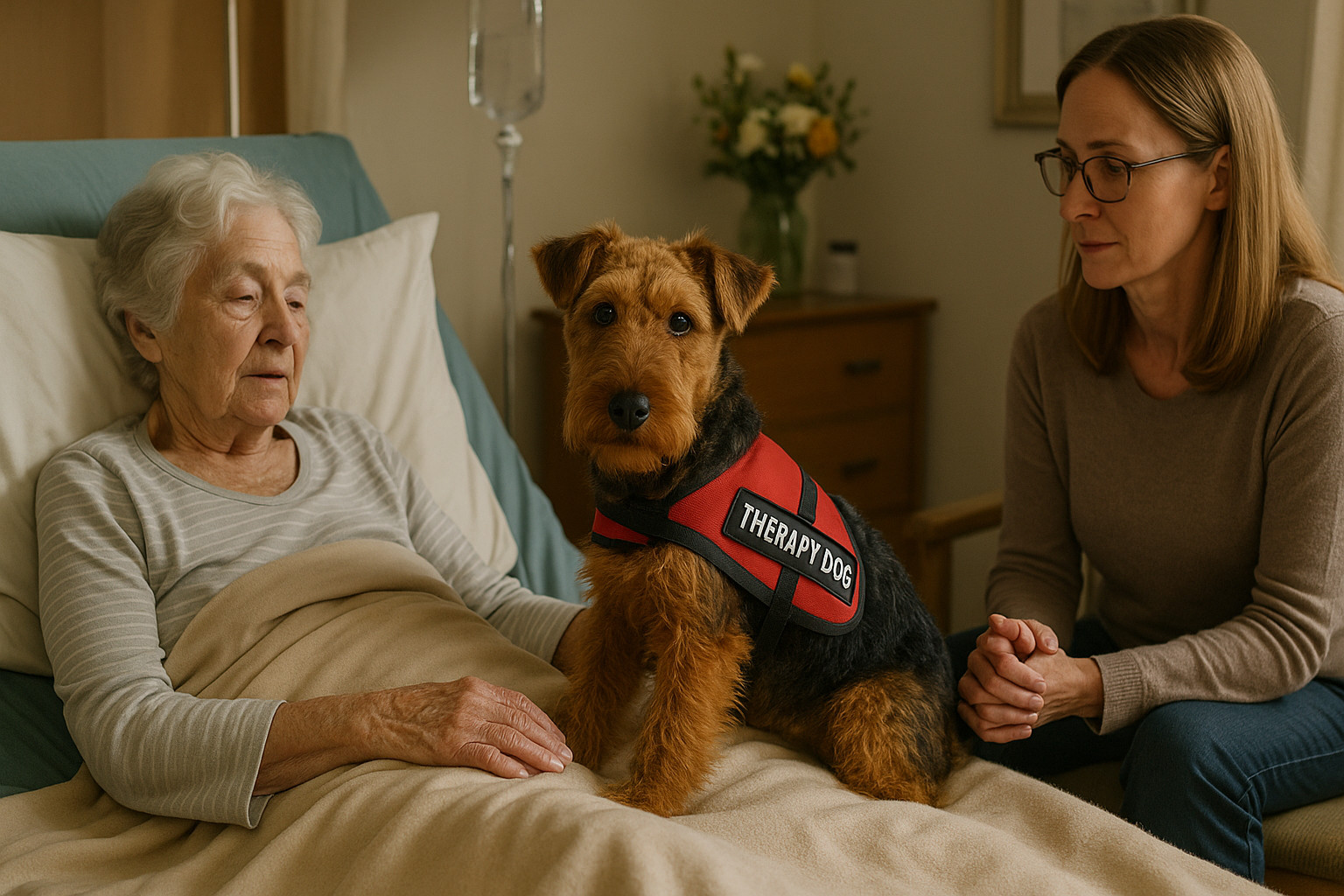
When exploring the suitability of various dog breeds for therapeutic roles, the Welsh Terrier stands out as an engaging and lively companion. Known for their spirited nature and intelligence, these terriers have unique qualities that can make them invaluable in therapy settings. This article delves into the distinct attributes of the Welsh Terrier in therapy contexts, providing insights into their adaptability, training potential, and overall suitability for this noble purpose.
Welsh Terrier as a Therapy Dog Overview
Understanding the Therapy Dog Role
Therapy dogs are trained to provide comfort, affection, and support to individuals in need, often in healthcare, educational, or institutional settings. Their presence alone can ease anxiety, create joy, and even aid in physical healing through indirect interactions. The effectiveness of a therapy dog hinges on its ability to remain calm under stress, exhibit empathetic behaviors, and adapt to various environments. For the Welsh Terrier, these roles align well with their natural enthusiasm and sociability.
Physical Appearance and Energy Level
Welsh Terriers are medium-sized with a sturdy build and a distinctive black and tan coat. Their energetic disposition is matched with a curiosity and affinity for playful activities. This lively energy can be an asset in therapy settings, particularly where movement and engagement are beneficial — such as with children or in rehabilitation exercises. However, their spirited nature must be matched with proper training to ensure focus and restraint when necessary.
Personality and Emotional Intelligence
These Terriers possess a high degree of emotional intelligence, often forming strong bonds with their human companions. They excel in interpreting human emotions and responding with appropriate behavior, which is crucial for any therapy dog. The Welsh Terrier's cheerful demeanor and friendliness promote a positive atmosphere, easing communication and fostering therapeutic alliances. However, early socialization and consistent behavioral reinforcement are key to optimizing these inherent traits.
Environments Where Welsh Terrier Excels
The Welsh Terrier thrives in dynamic, interactive environments where their energy and enthusiasm can be effectively channeled. They shine in settings such as schools, rehabilitation centers, and youth programs, where their playful nature can encourage participants to engage and interact. Positive environments that allow for movement, and where routine and structure are present, enable Welsh Terriers to excel and deliver therapeutic benefits.
Common Therapy Settings
In therapy, Welsh Terriers can be seen in various settings:
- Educational Programs: Their playful nature results in active engagement with students.
- Pediatric Care: Their energy can distract and comfort young patients.
- Physical Rehabilitation: They motivate patients to participate in exercises.
- Elderly Care Centers: They can bring joy and companionship to residents.
Adapting to these environments involves training the Welsh Terrier to remain calm amid potential distractions and to enhance their naturally engaging personality.
Register Any Breed
Interactions with Different Populations
Welsh Terriers' interactions vary depending on the population:
- Children: Their playful nature can help build trust and provide emotional support.
- Adults in Recovery: They offer companionship and non-judgmental presence.
- Older Adults: Their lively nature and intuition can alleviate loneliness and encourage activity.
Empathy and adaptability are central, enabling Welsh Terriers to tailor their behavior to each individual's needs, enhancing therapy effectiveness.
Health and Wellness Factors
Healthy Welsh Terriers are best suited for therapy roles, as wellness directly influences their behavior and energy levels. Regular vet check-ups and a balanced diet are essential, along with attention to breed-specific health issues.
Lifespan and Common Health Issues
Welsh Terriers generally live 12 to 15 years, with common health issues including:
- Allergies
- Eye Disorders
- Hip Dysplasia
Proactive health management, regular exercise, and a healthy diet support their capacity to work in therapy settings without health-related disruptions.
Maintenance and Care Needs
Grooming is crucial to maintain the distinctive appearance of the Welsh Terrier and ensure their coat remains allergen-friendly, a significant concern in therapy settings. Regular grooming visits, nail trimming, and ear cleaning minimize health risks and discomfort that might interfere with their therapy duties.
Training and Certification Readiness
Training a Welsh Terrier for therapy work requires patience and consistency. Given their intelligence, they respond well to positive reinforcement techniques. Key training aspects include:
- Obedience: Mastery of basic commands.
- Socialization: Comfort around diverse populations and environments.
- Calmness under Stress: Handling new stimuli without anxiety.
Becoming a certified therapy dog also involves passing an evaluation to assess their suitability for diverse therapy roles.
Learning Style and Responsiveness
Welsh Terriers are quick learners, benefiting from repetition and consistency in training. They are better motivated through play and rewards, which helps maintain their focus and enthusiasm during sessions. Their eagerness to learn complements their natural aptitude for therapy-related tasks.
Handling Social and Emotional Stimuli
Adaptability is vital for therapy work. The Welsh Terrier handles emotional stimuli well due to its high social intelligence and robustness. Their capacity to process and respond to different social cues enables them to adjust behaviors, whether offering solace or inciting joy as the context requires.
Strengths, Limitations, and Ideal Roles for Welsh Terrier
Strengths:
- High energy and playfulness, great for interactive settings.
- Emotional intelligence enhances empathy and social connections.
- Resilience to stress.
Limitations:
- Requires substantial grooming and health management.
- May need tailored behavioral training to mitigate over-excitement.
Ideal Roles:
- Educational programs benefiting from active engagement.
- Rehabilitation settings where motivational presence is needed.
Final Thoughts
Welsh Terriers bring unique attributes to the therapy dog landscape. Their energy, intelligence, and emotional insight can enrich therapy sessions, fostering connections and aiding recovery. However, training and preparation are key to ensuring they harness their potential purposefully and effectively.
Key Takeaways for the Welsh Terrier as a Therapy Dog
- Best suited for: Interactive and energetic therapy settings like schools and rehabilitation centers.
- Not ideal for: Highly allergenic environments and situations requiring prolonged calmness unless well-trained.
- Temperament highlights: Energetic, playful, intelligent, empathetic.
- Care and health notes: Requires regular grooming; vigilance for common breed health issues is essential.
- Therapy environments where they shine: Schools, rehabilitation centers, and programs for children and adolescents.
This comprehensive overview positions the Welsh Terrier not only as a delightful pet but as a potentially transformative therapy companion. Their capacity to bring joy and comfort highlights the vital roles dogs play in enhancing human wellness and recovery.


-
Public Access Kits
$149.00 Learn more This product has multiple variants. The options may be chosen on the product page -
Quick Ship Premium Vests
$48.00 – $82.00 Learn more This product has multiple variants. The options may be chosen on the product page -
Service Dog Bandana
$39.95 Learn more This product has multiple variants. The options may be chosen on the product page
Custom ID Cards

Custom ID Cards
All States

Canada Cards

Custom Service Dog Tags

Official Dog Vests

Smart Vests
Official Public Access Kits

Complete Kits
USA & CANADA Letters

High Quality Bandanas

Service Dog Tags

Smart Tags

ESA TAGS
