Whippet as a Service Dog
Register Any Breed
Whippet Overview
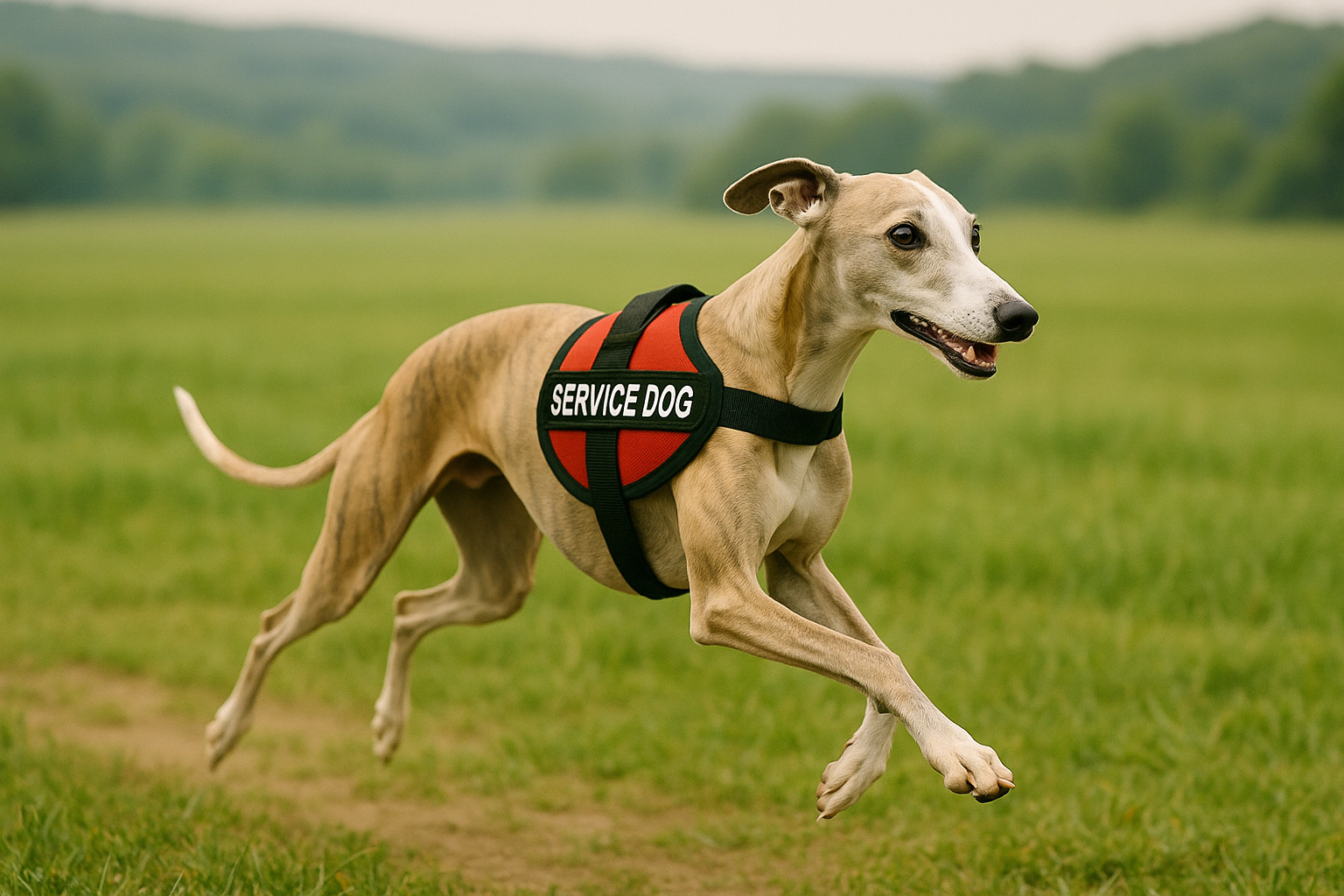
Whippets, with their elegant and athletic build, are often celebrated for their speed and grace, akin to the Greyhound but more compact in size. Originating from England, they were initially bred for hunting small game, but over time, they have also become cherished companions. As service dogs, Whippets present a unique blend of characteristics that can be both beneficial and challenging. Understanding these aspects is crucial in determining their suitability for various service roles.
Physical Characteristics
Whippets are medium-sized dogs with a sleek and streamlined appearance. They typically weigh between 25 to 40 pounds and stand about 18 to 22 inches tall at the shoulder. This lean physique is designed for speed, making the Whippet one of the fastest dogs for short distances.
- Size: Their moderate size makes them an ideal choice for individuals who prefer a dog that isn't too large but still requires physical assistance.
- Coat: Whippets have a short, smooth coat that is easy to maintain. This feature is beneficial for individuals who might struggle with grooming due to physical limitations.
- Energy: Despite their athletic build, Whippets are known for their "couch potato" nature indoors. They tend to have a burst of energy when active, followed by long periods of rest, making them well-suited for households that enjoy outdoor activities but maintain a calm indoor environment.
The physical attributes of Whippets, including their manageable size and low grooming needs, make them a practical choice for many service dog roles. However, their sensitivity to extreme weather due to their thin coat might limit their functionality in certain environments.
Temperament and Attitude
Whippets are known for their gentle and friendly demeanor. Their temperament is often characterized by an affectionate and sociable nature, which can be a significant asset for service dog work.
- Personality: Whippets are typically friendly with people and other animals. Their calm disposition can be soothing to individuals with anxiety disorders or those in need of emotional support.
- Adaptability: They tend to adjust well to different environments, whether it be a bustling city or a quieter suburban area. This adaptability is crucial for service dogs that accompany their handlers to various settings.
- Sensitivity: While generally good-natured, Whippets can be sensitive to stress or negative emotions in their surroundings. It's important for potential handlers to create a stable and comforting environment for them.
Their temperament makes Whippets natural companions for emotional support and psychiatric service work. Their sensitivity and need for a calm environment may, however, pose challenges in highly stressful service situations.
Types of Service Work
Whippets may excel or face limitations in various types of service work due to their unique characteristics. Their primary strengths lie in roles that require a gentle touch and emotional connection.
- Emotional Support and Psychiatric Service: Whippets can provide substantial emotional support and aid individuals with psychiatric disorders. Their calm demeanor and affectionate nature make them ideal candidates for such roles.
- Mobility Assistance: While they can offer basic physical assistance, their size limits their ability for heavier mobility tasks, such as pulling wheelchairs or providing weight-bearing support.
- Medical Alert Work: With proper training, Whippets can effectively perform tasks related to medical alert, such as sensing anxiety attacks or other medical conditions, given their keen awareness and sensitivity.
In service roles requiring physical strength or intense endurance, Whippets may not be the best fit. However, their ability to provide emotional support and alert handlers to medical issues makes them suitable for specific service functions.
Register Any Breed
Health Considerations
While generally healthy, Whippets do have some breed-specific health considerations that may impact their suitability for service work.
- Sensitivity to Temperature: Due to their short coat and low body fat, Whippets can be sensitive to cold and hot temperatures. Considerations for their comfort in extreme climates are necessary.
- Genetic Conditions: Whippets can be prone to certain genetic conditions, such as heart issues and eye abnormalities. Regular veterinary check-ups and health screenings can help manage these risks.
- Longevity: With a lifespan of around 12 to 15 years, Whippets can offer many years of companionship and service, provided their health is well-monitored.
Understanding these health concerns is vital for ensuring that a Whippet can maintain the physical demands of service dog work throughout their life.
Training and Suitability
The intelligence and trainability of Whippets can vary, influencing their effectiveness as service dogs.
- Intelligence and Learning: Whippets are intelligent and capable of learning a wide range of tasks. However, their independent streak can make them challenging to train for specific duties that require high obedience and repetitive actions.
- Training Techniques: Positive reinforcement and gentle training techniques work best with Whippets. Harsh training methods can exacerbate their sensitive nature, leading to stress or anxiety.
- Socialization: Early and consistent socialization is crucial in developing a Whippet's ability to handle diverse environments and situations confidently.
Assessing their trainability is essential for prospective handlers. While they can be trained for service tasks, patience and consistency in training methods are key to maximizing their potential.
Summary of Whippet
The Whippet as a service dog is defined by its unique combination of physical and emotional attributes. While not suitable for all types of service work, they excel in roles that require sensitivity, adaptability, and an emotional connection.
Strengths:
- Excellent for emotional support and psychiatric service roles
- Manageable size and low grooming needs
- Gentle and friendly temperament
Weaknesses:
- Sensitive to extreme temperatures
- Limited ability in tasks requiring high physical strength
- Can be independent and require patient training
Ideal Service Roles:
- Emotional support
- Psychiatric assistance
- Medical alert tasks
The Whippet's distinct characteristics ensure it can be a valuable companion and service animal for those needing emotional and medical support, provided their unique needs and limitations are understood and accommodated.


-
Public Access Kits
$149.00 Learn more This product has multiple variants. The options may be chosen on the product page -
Quick Ship Premium Vests
$48.00 – $82.00 Learn more This product has multiple variants. The options may be chosen on the product page -
Service Dog Bandana
$39.95 Learn more This product has multiple variants. The options may be chosen on the product page
Custom ID Cards

Custom ID Cards
All States

Canada Cards

Custom Service Dog Tags
Official Dog Vests

Smart Vests
Official Public Access Kits
Complete Kits
USA & CANADA Letters
High Quality Bandanas
Service Dog Tags
Smart Tags

ESA TAGS