Connecticut Service Dog Laws
Register Any Breed
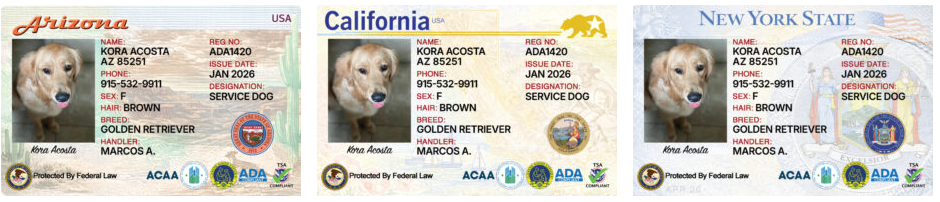
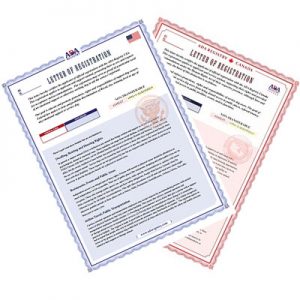
Example Cards Available In USA And Canada

Connecticut service dog laws are designed to ensure that individuals with disabilities have equal access to public spaces, housing, and employment, while also outlining the rights and responsibilities of service dog handlers and establishments in the state. Understanding these laws is crucial for service dog handlers, business owners, landlords, and the general public to ensure legal compliance and promote inclusivity.
Overview of Service Dog and Legal Definitions in Connecticut
What is a Service Dog?
Under both federal and state laws, a service dog is defined as a dog that is individually trained to perform tasks or do work for a person with a disability. These tasks must be directly related to the person’s disability. Examples include guiding individuals who are blind, alerting individuals who are deaf, pulling a wheelchair, or retrieving items for those with mobility impairments.
How Service Dogs Differ from Other Types of Assistance Animals
Service dogs differ significantly from emotional support animals and therapy animals. Emotional support animals provide comfort through their presence but are not trained to perform specific tasks to assist with a disability, making them ineligible for the same public access rights as service dogs. Therapy animals offer companionship and support in therapeutic settings but do not have access rights under service dog legislation.
Key Federal Laws Affecting Service Dogs (e.g., ADA, FHA, ACAA)
- Americans with Disabilities Act (ADA): This federal act ensures that individuals with disabilities have the right to be accompanied by their service dogs in public places, including businesses, restaurants, and hotels.
- Fair Housing Act (FHA): This law prohibits discrimination in housing-related activities, ensuring that individuals with disabilities have the right to live with their service dogs, even in properties with “no pets” policies.
- Air Carrier Access Act (ACAA): Ensures that individuals with disabilities can fly with their service dogs, provided that the dog’s presence doesn’t compromise safety or impede seat access.
State-Specific Service Dog Laws in Connecticut
Connecticut acknowledges federal service dog laws while providing its own regulations to enforce and implement these standards. The state requires public accommodations to grant access to service dogs without requiring proof of certification.
Housing Rights and Responsibilities
Connecticut state law aligns with the FHA, allowing individuals with disabilities to live with their service dogs regardless of pet policies. Landlords can ask for verification of the disability and necessity of the service dog but cannot demand extensive documentation or impose financial penalties related to the service animal.
Public Access and Accommodation
Businesses and public facilities in Connecticut must allow service dogs to accompany their handlers unless the dog is out of control or not housebroken. Staff may only ask whether the dog is required due to a disability and what tasks it has been trained to perform.
Transportation and Travel Rules
Public transportation services, like trams and buses, as well as airlines operating out of Connecticut, must comply with the ACAA and ADA, allowing service dogs to accompany their handlers. However, airlines may request advance notice or certain documentation for international travel.
Register Any Breed
Example Cards Available In USA And Canada
Employment and Workplace Considerations
Under the ADA and Connecticut state laws, employers are required to allow service dogs in the workplace as a reasonable accommodation unless it causes undue hardship. Employers should engage in interactive discussions to accommodate both the handler’s needs and the service dog integration safely.
Documentation, Requirements, and Processes in Connecticut
Service Dog Documentation and Who Can Issue It
While certification and ID papers for service dogs are not mandated by law, handlers may have documentation that describes the training or certifications their service dog has received. Such documentation should come from recognized service dog training organizations.
Landlord, Business, and Provider Verification Rules
Connecticut law limits the scope of inquiries a landlord or business can make. While they can confirm a service dog’s status, they cannot demand vaccination records beyond what is typical for all dogs or any certification not required by law.
Rights, Limitations, and Legal Risks
Rights Service Dog Handlers Have in Connecticut
Service dog handlers in Connecticut enjoy the right to access almost all public places, live in housing of their choice with their service dog, and work with minimal disruption. These rights support independence and accessibility for people with disabilities.
Limits on Service Dog Protections and Common Restrictions
Service dogs can be excluded from places where their presence compromises safety or where they alter the essential nature of the services provided, such as in hospital sterile areas. If a service dog is disruptive, the handler might be asked to gain control over the dog or leave.
Penalties for Fraud or Misrepresentation
Misrepresenting a pet as a service dog is illegal in Connecticut. Such behavior can lead to fines and potentially other penalties, enforcing the integrity and validity of service dog representations.
Practical Guidance for Service Dog Handlers in Connecticut
How to Qualify for a Service Dog Legitimately
Individuals should have a qualifying disability and seek professional service dog training to ensure their dog is adequately prepared to perform necessary tasks. It’s recommended to work with organizations specializing in service dogs.
How to Talk to Landlords, Airlines, and Employers
- Landlords: Explain the service dog’s trained tasks and provide credible, concise documentation if requested.
- Airlines: Provide travel-specific documentation and notify the airline in advance where possible.
- Employers: Discuss your service dog’s role and work with HR to ensure a smooth integration into the workplace.
Summary of Service Dog Laws in Connecticut
– Definition: Dogs trained to perform tasks for individuals with disabilities
- Federal Laws: ADA, FHA, and ACAA offer protections that Connecticut aligns with
- Rights: Include public access, housing rights, and workplace accommodations
- Limitations: Exclusions may apply in certain sensitive environments
- Documentation: Required only as necessary for travel or housing and not for access
- Risks: Legal penalties exist for fraudulent representation of service dogs**
This guide aims to provide comprehensive insight into Connecticut’s service dog laws, ensuring all parties are well-informed and compliant with state and federal regulations. Proper understanding and adherence to these laws promote accessibility and equity for individuals with disabilities.


-
Public Access Kits
$149.00 Learn more This product has multiple variants. The options may be chosen on the product page -
Quick Ship Premium Vests
$48.00 – $82.00 Learn more This product has multiple variants. The options may be chosen on the product page -
Service Dog Bandana
$39.95 Learn more This product has multiple variants. The options may be chosen on the product page
Custom ID Cards

Custom ID Cards
All States
Canada Cards

Custom Service Dog Tags

Official Dog Vests

Smart Vests
Official Public Access Kits
Complete Kits
USA & CANADA Letters
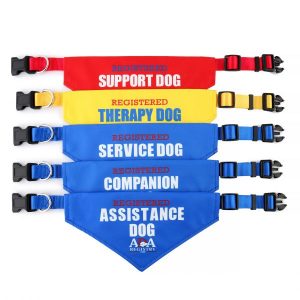
High Quality Bandanas
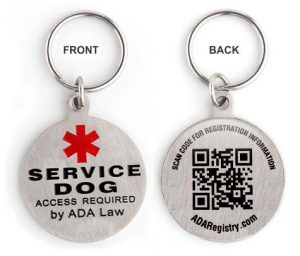
Service Dog Tags
Smart Tags
ESA TAGS