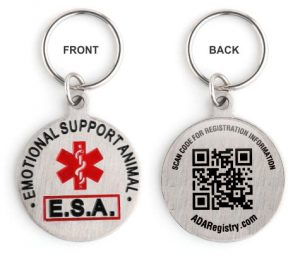
Delaware Service Dog Laws
Register Any Breed
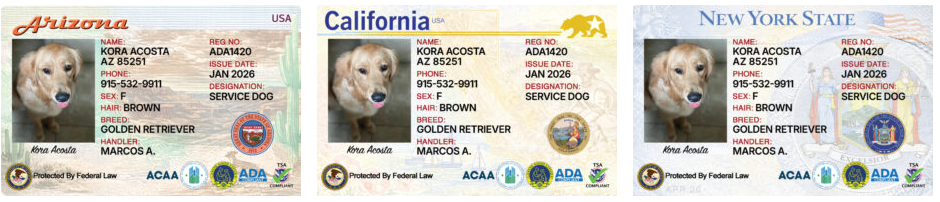
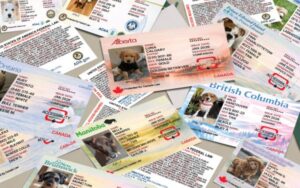
Example Cards Available In USA And Canada
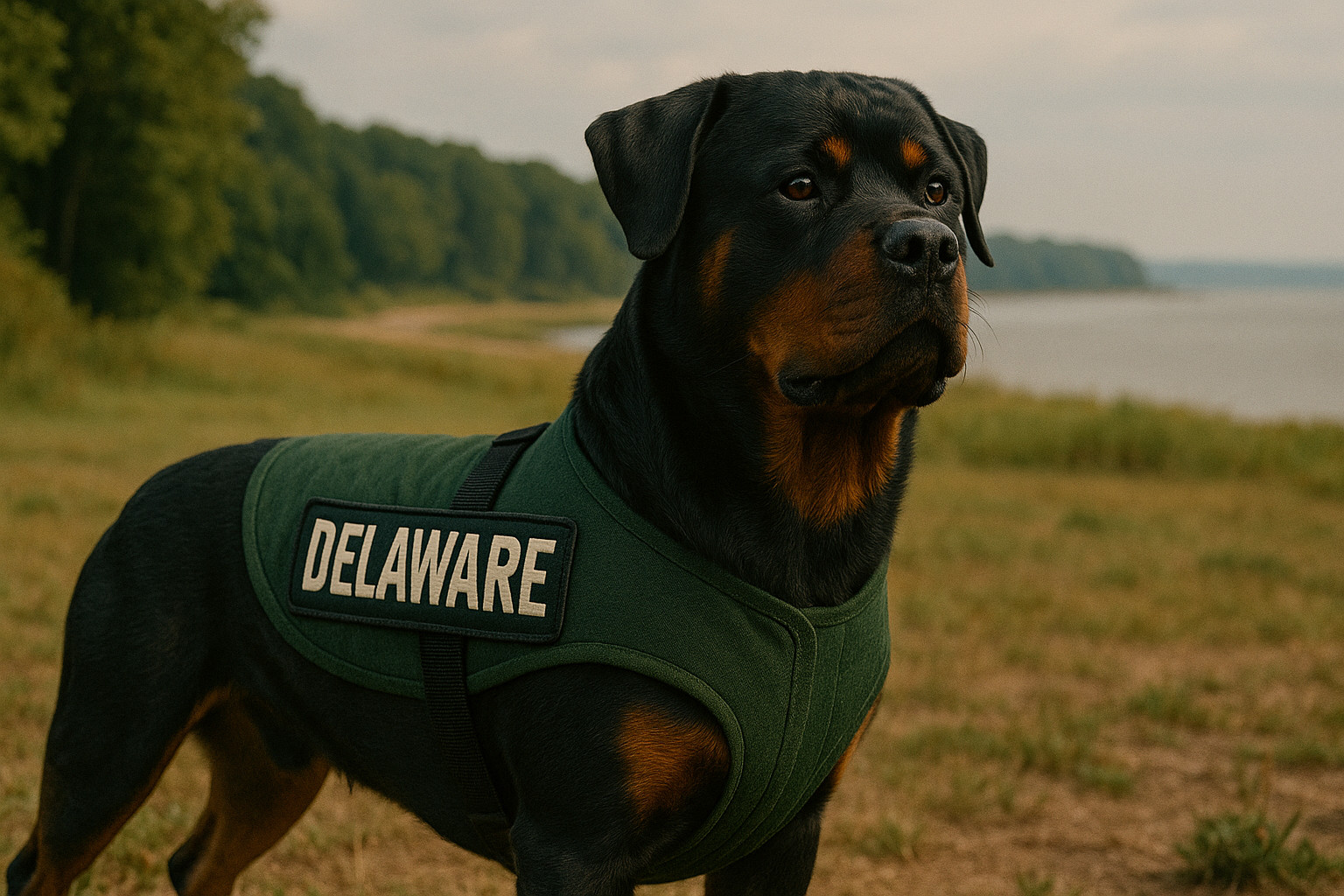
Overview of Service Dog and Legal Definitions in Delaware
Understanding service dog laws in Delaware requires familiarity with both federal and state regulations. Service dogs provide invaluable assistance to individuals with disabilities, but it’s crucial for both service dog handlers and the general public to understand their rights and obligations.
What is a Service Dog?
A service dog is defined under the Americans with Disabilities Act (ADA) as a dog that is individually trained to perform tasks or do work for a person with a disability. These tasks directly relate to the individual’s disability, such as guiding people who are blind, alerting individuals who are deaf, pulling a wheelchair, alerting and protecting a person having a seizure, or reminding a person with mental illness to take prescribed medications.
How Service Dogs Differ from Other Types of Assistance Animals
Service dogs differ from other assistance animals, such as emotional support animals (ESAs) and therapy dogs. While service dogs are trained to perform specific tasks for people with disabilities, ESAs provide comfort by their presence and do not have special training to perform tasks. Therapy dogs typically provide emotional support in settings such as hospitals or nursing homes but do not have the same access rights as service dogs.
Key Federal Laws Affecting Service Dogs
When evaluating service dog laws, federal mandates form a critical component alongside state-specific regulations. The ADA ensures that individuals with disabilities have the same rights and opportunities as everyone else and specifically grants service dogs the right to accompany their handlers in all public areas. The Fair Housing Act (FHA) requires landlords to make reasonable accommodations for individuals with service dogs in housing situations. The Air Carrier Access Act (ACAA) prohibits discrimination against individuals with disabilities in air travel, ensuring service dogs can accompany their handlers on flights.
State-Specific Service Dog Laws in Delaware
While federal laws provide a broad framework, Delaware also implements specific state laws concerning service dogs to ensure compliance and provide additional guidance.
Housing Rights and Responsibilities
Under Delaware law, individuals with disabilities have the right to live with their service dogs even in housing units that typically have a no-pet policy. Landlords are required to provide reasonable accommodations, and service dog handlers cannot be charged pet fees or deposits. However, the service dog must not pose a threat to others or cause substantial property damage.
Public Access and Accommodation
In Delaware, service dogs are allowed to accompany their handlers in all public facilities and private businesses that serve the public, such as restaurants, hotels, and retail spaces. These establishments must not discriminate against individuals with disabilities and their service dogs, irrespective of policies that otherwise prohibit pets.
Register Any Breed
Example Cards Available In USA And Canada
Transportation and Travel Rules
Service dog handlers in Delaware are allowed to use public transportation systems, and their service dogs are permitted on these vehicles at no extra charge. Under the ACAA, air travel regulations ensure that service dogs can accompany their handlers on airplanes, provided they do not block aisles or exits.
Employment and Workplace Considerations
Employers in Delaware must accommodate service dogs in the workplace unless it would cause undue hardship. This is consistent with the ADA, ensuring that individuals with disabilities have equal employment opportunities. Employers must consider adjustments and modifications that would assist the employee in performing their job without facing discrimination.
Documentation, Requirements, and Processes in Delaware
Service dog handlers must navigate a variety of documentation and verification processes to ensure their rights are protected while also preventing misuse.
Service Dog Documentation and Who Can Issue It
Unlike emotional support animals, service dogs do not require proof of certification under federal law. However, handlers should have documentation that demonstrates their need for a service dog. Consultations and letters from healthcare providers that can accurately describe the disability and need for a service dog may be useful in clarifying their necessity in certain settings, such as housing applications.
Landlord, Business, and Provider Verification Rules
Landlords or airports in Delaware may ask if the service dog is required due to a disability, and what work or task the dog has been trained to perform. They cannot ask for documentation beyond these questions. Businesses cannot request proof of training or certification, nor can they demand the dog perform its task as demonstration.
Rights, Limitations, and Legal Risks
Understanding the rights associated with service dogs is essential, but so is being aware of limitations and responsibilities. Misrepresentation of pets as service dogs not only undermines legitimate service dog teams but also carries significant legal penalties.
Rights Service Dog Handlers Have in Delaware
- Public Access: Service dogs can accompany handlers in all public areas where the public is normally permitted.
- Housing Protections: Service dogs are allowed in housing with no-pet policies without additional fees.
- Employment Rights: Reasonable accommodations must be made for service dogs at workplaces.
- Travel Accommodations: Service dogs can travel in airplane cabins as per ACAA regulations.
Limits on Service Dog Protections and Common Restrictions
- Behavior Expectations: Service dogs must be under control and house-trained. They can be legally excluded if they are disruptive or pose a direct threat.
- No Access in Specific Areas: Areas where the dog’s presence would compromise health standards, such as sterile environments in hospitals, may lawfully exclude them.
Penalties for Fraud or Misrepresentation
Falsely claiming an animal as a service dog is illegal. Offenders can face fines and legal actions under Delaware law. Misrepresentation damages the credibility of assistance animals and undermines those who rely on legitimate service animals for daily living.
Practical Guidance for Service Dog Handlers in Delaware
Navigating the system as a service dog handler can be streamlined with the following guidance.
How to Qualify for a Service Dog Legitimately
To legitimately qualify for a service dog, individuals must have a disability that necessitates specific assistance which the dog is trained to provide. It involves consulting with healthcare professionals to establish the necessity of a service animal and engaging a reputable training program to ensure the dog is adequately prepared to perform required tasks.
How to Talk to Landlords, Airlines, and Employers
- Communication with Landlords: Inform landlords of the need for a service dog accompanied by any documentation explaining the necessity without disclosing specific medical details.
- Discussing with Airlines: Notify the airline in advance about traveling with a service dog and provide information as requested regarding the dog’s behavior and requirements.
- Employer Relations: Engage in open dialogue about necessary accommodations without disclosing detailed medical history, focusing on how the service dog assists in job performance.
Summary of Service Dog Laws in Delaware
To grasp the essential components of service dog laws in Delaware, recognizing and adhering to a blend of federal and state regulations ensures compliance and supports the rights of individuals with disabilities.
Key Points to Remember:
- Equal Access and Protection: Delaware law supports federal standards for accessibility in public and private spaces.
- Documentation and Verification: Know the limitations on what documentation can be requested and avoid sharing unnecessary details.
- Risk of Misrepresentation: Understand the penalties for fraudulent claims and ensure legitimacy by following proper channels for service dog qualifications.
- Effective Communication: Be prepared to explain and negotiate necessary accommodations in housing, employment, and travel with clarity and confidence.
By following these guidelines, service dog handlers in Delaware can ensure they exercise their rights fully while maintaining respect for the regulations intended to protect these rights.


-
Public Access Kits
$149.00 Learn more This product has multiple variants. The options may be chosen on the product page -
Quick Ship Premium Vests
$48.00 – $82.00 Learn more This product has multiple variants. The options may be chosen on the product page -
Service Dog Bandana
$39.95 Learn more This product has multiple variants. The options may be chosen on the product page
Custom ID Cards

Custom ID Cards
All States
Canada Cards
Custom Service Dog Tags

Official Dog Vests

Smart Vests
Official Public Access Kits
Complete Kits
USA & CANADA Letters
High Quality Bandanas
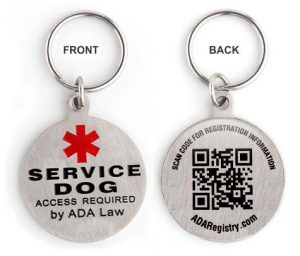
Service Dog Tags
Smart Tags
ESA TAGS