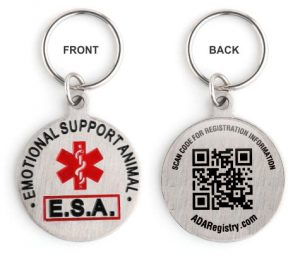
District Of Columbia Service Dog Laws
Register Any Breed
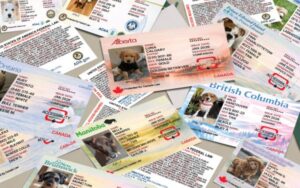
Example Cards Available In USA And Canada
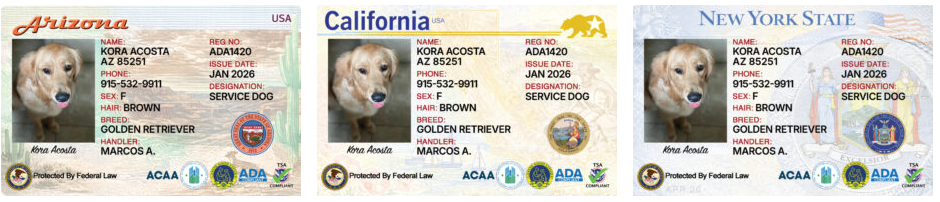
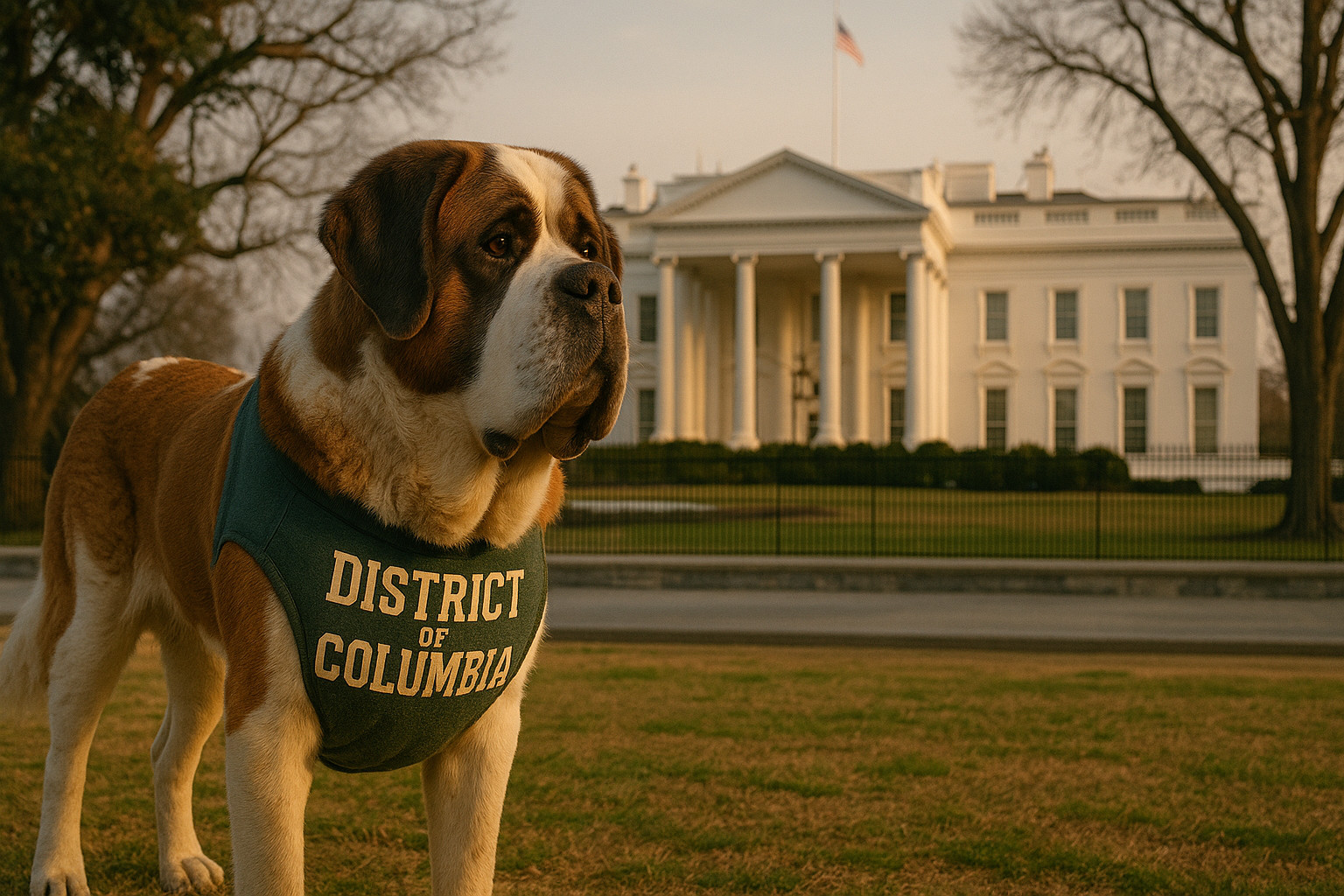
Navigating the legal landscape surrounding service dogs can be complex, especially as laws and regulations vary between federal and state jurisdictions. This comprehensive guide explores the unique service dog laws in the District of Columbia, offering residents and service dog handlers a detailed understanding of their rights and responsibilities within the nation’s capital.
Overview of Service Dog and Legal Definitions in District Of Columbia
Understanding the terminology and definitions related to service dogs is crucial for compliance with the law. Here’s a detailed look at the definitions and classifications pertinent to service dogs in the District of Columbia:
What is a Service Dog?
A service dog is defined as a specially trained animal that assists individuals with disabilities by performing tasks directly related to their disability. These tasks can include, but are not limited to, guiding individuals who are blind, alerting those who are deaf, pulling wheelchairs, and fetching items. The key component is that the dog is trained to undertake specific activities that mitigate the handler’s disability.
How Service Dogs Differ from Other Types of Assistance Animals
Service dogs are distinct from other assistance animals, such as emotional support animals (ESAs) and therapy animals, primarily due to their specialized training. While ESAs provide comfort with their presence, service dogs must perform specific tasks. Moreover, service dogs are granted broader public access rights, which are not extended to ESAs and therapy animals.
Key Federal Laws Affecting Service Dogs (e.g., ADA, FHA, ACAA)
Several federal laws govern the rights of service dog handlers. The Americans with Disabilities Act (ADA) is the primary law ensuring public access rights for service dogs. The Fair Housing Act (FHA) provides guidelines ensuring individuals with disabilities are granted reasonable accommodations in housing, which includes allowing service dogs. The Air Carrier Access Act (ACAA) governs the rights of service dog users in air travel, ensuring they can travel with their service animals without additional charges.
State-Specific Service Dog Laws in District Of Columbia
While federal laws provide a baseline, the District of Columbia has specific provisions regarding service dogs. The district’s Human Rights Act aligns closely with the ADA, offering additional protections for service dog handlers in public accommodations and housing. State laws often provide further clarity on the obligations of businesses and public entities to prevent discrimination against individuals using service dogs.
Housing Rights and Responsibilities
In the District of Columbia, under both federal and local law, landlords must permit service dogs in properties where pets are typically not allowed. Handlers must keep their service dogs under control and ensure they meet health and safety standards, including vaccination requirements. Housing providers cannot charge extra fees for service dogs; however, they may hold the handler responsible for any damage caused by the animal.
Register Any Breed
Example Cards Available In USA And Canada
Public Access and Accommodation
Service dogs are allowed to accompany their handlers in all areas open to the public within the District of Columbia. This includes businesses, government buildings, and recreational facilities. Businesses must accommodate service dogs unless their presence poses a direct threat to health and safety or if the dog is out of control. It’s essential for handlers to ensure their service dogs are well-behaved to maintain these access rights.
Transportation and Travel Rules
The rights of service dog handlers extend to public transportation. The Washington Metropolitan Area Transit Authority (WMATA) acknowledges the ADA’s guidelines, allowing service dogs on buses and subways without additional fare. When traveling by air, service animal provisions under the ACAA ensure that handlers can fly with their service dogs, though airlines may request documentation verifying the animal’s status as a service dog.
Employment and Workplace Considerations
In employment settings, the ADA requires employers to provide reasonable accommodations, which includes permitting service dogs in the workplace if they assist an employee in performing job functions or alleviating the effects of their disability. Employers, however, are not obliged to allow service dogs if doing so creates undue hardship or compromises workplace safety.
Documentation, Requirements, and Processes in District Of Columbia
Navigating documentation requirements is essential for service dog handlers to ensure smooth interactions in housing, public, and travel contexts.
Service Dog Documentation and Who Can Issue It
While the ADA does not require service dogs to have documentation, handlers in the District of Columbia might be asked to provide documentation under specific circumstances, such as when flying or when reasonable requests are made by housing providers. Typically, a note from a licensed healthcare provider confirming the necessity of the service dog might suffice. However, businesses usually cannot require documentation for public access under the ADA.
Landlord, Business, and Provider Verification Rules
Inquiries by businesses should be limited to two questions: “Is this a service dog required because of a disability?” and “What work or task has the dog been trained to perform?” Misrepresentation of a service dog can have legal consequences, and it’s crucial for handlers to provide truthful and consistent information.
Rights, Limitations, and Legal Risks
Understanding the full scope of both rights and limitations surrounding service dogs is vital for handlers to exercise these rights appropriately and avoid legal pitfalls.
Rights Service Dog Handlers Have in District Of Columbia
Service dog handlers in the District of Columbia are entitled to broad protections under state and federal law. These rights include public access, equal housing opportunities, reasonable accommodations in the workplace, and nondiscriminatory practices by businesses and services.
Limits on Service Dog Protections and Common Restrictions
However, service dogs are not granted unrestricted access. Certain limitations apply, such as where the dog’s presence might pose a health or safety risk or in sterile environments like operating rooms. Additionally, handlers must ensure their dogs are under control at all times.
Penalties for Fraud or Misrepresentation
Fraudulently misrepresenting a pet as a service dog is considered a serious offense in the District of Columbia. Penalties may involve fines or community service, and repeated offenses could lead to more severe consequences. Such actions undermine genuine service dog handlers and the integrity of protections under the law.
Practical Guidance for Service Dog Handlers in District Of Columbia
Here are practical steps and advice for service dog handlers residing in the District of Columbia to ensure compliance and avert disputes.
How to Qualify for a Service Dog Legitimately
Qualifying for a service dog involves having a disability that can be alleviated by the tasks a service dog performs. Prospective handlers should consult healthcare providers to document their need for a service dog and reach out to accredited organizations for assistance in training or acquiring a service dog tailored to their needs.
How to Talk to Landlords, Airlines, and Employers
- Landlords: Communicate your need for a service dog upfront and provide any necessary documentation from your healthcare provider.
- Airlines: Notify airlines in advance of your need to travel with a service dog and understand their documentation policies.
- Employers: Discuss your accommodation needs openly and provide information about how your service dog will assist in your job performance.
Summary of Service Dog Laws in District Of Columbia
Key Points to Remember:
- Eligibility and Access: Only dogs trained to perform specific tasks related to a handler’s disability qualify as service dogs.
- Public Access: Service dogs are allowed in all public spaces unless their presence poses safety concerns.
- Housing: No extra fees for service dogs in rental properties, but handlers are responsible for potential damages.
- Employment: Employers are required to accommodate service dogs unless it results in undue hardship or compromises safety.
- Documentation: Generally not required for public access, but may be necessary in housing and air travel contexts.
Understanding and following these guidelines will help service dog handlers exercise their rights fully while complying with the legal framework in the District of Columbia.


-
Public Access Kits
$149.00 Learn more This product has multiple variants. The options may be chosen on the product page -
Quick Ship Premium Vests
$48.00 – $82.00 Learn more This product has multiple variants. The options may be chosen on the product page -
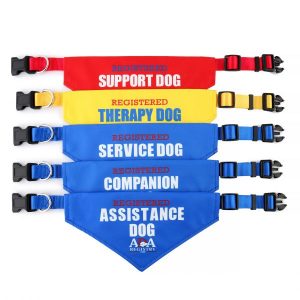
Service Dog Bandana
$39.95 Learn more This product has multiple variants. The options may be chosen on the product page
Custom ID Cards

Custom ID Cards
All States
Canada Cards
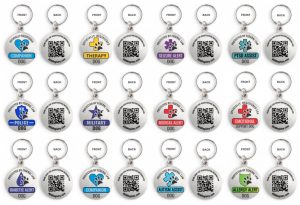
Custom Service Dog Tags
Official Dog Vests

Smart Vests
Official Public Access Kits
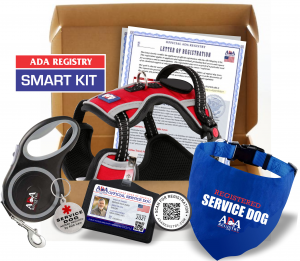
Complete Kits
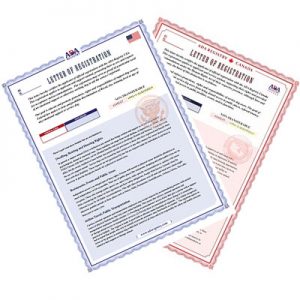
USA & CANADA Letters
High Quality Bandanas
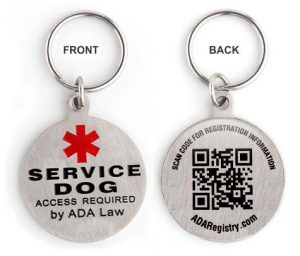
Service Dog Tags
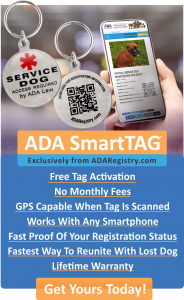
Smart Tags
ESA TAGS