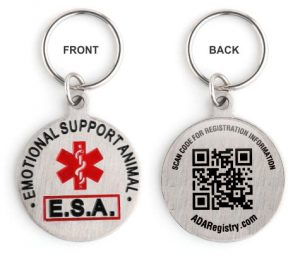
Illinois Service Dog Laws
Register Any Breed
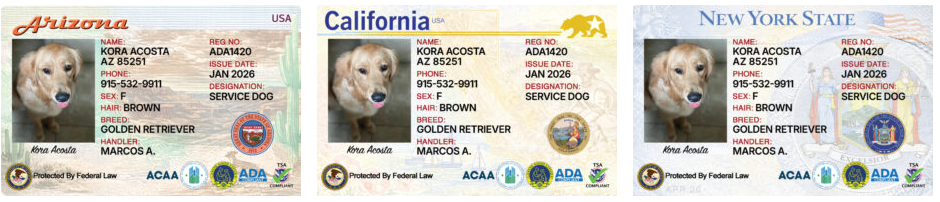
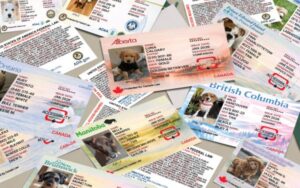
Example Cards Available In USA And Canada
Overview of Service Dog and Legal Definitions in Illinois
In Illinois, service dogs play a crucial role in assisting individuals with disabilities, providing them with greater independence and the ability to perform daily activities. Understanding the legal definitions and frameworks surrounding these indispensable animals is vital for handlers, businesses, landlords, and the general public. This article delves into the intricate details of both federal and state regulations affecting service dogs in Illinois.
What is a Service Dog?
Under the Americans with Disabilities Act (ADA), a service dog is defined as a dog that is individually trained to perform tasks or do work for people with disabilities. These tasks must be directly related to the handler’s disability. Common tasks include guiding individuals who are blind, alerting those who are deaf, pulling a wheelchair, or alerting and protecting a person who is having a seizure. Unlike emotional support animals, service dogs are trained to meet specific disability-related needs.
How Service Dogs Differ from Other Types of Assistance Animals
Service dogs are distinct from other assistance animals such as emotional support animals (ESAs) or therapy animals. The primary difference lies in the training and the nature of assistance provided. While ESAs provide comfort through companionship and do not require specific task training, service dogs are trained to perform specific tasks that aid their handler’s disability. It is important to note that Illinois law does not extend the same access rights to ESAs as it does to service dogs.
Key Federal Laws Affecting Service Dogs (e.g., ADA, FHA, ACAA)
The ADA is the primary federal law that mandates public access rights for service dogs. Under the ADA, service dogs are permitted to accompany their handlers in public places where pets are typically not allowed. The Fair Housing Act (FHA) addresses housing accommodations, allowing service dogs to live with their handlers irrespective of pet policies. The Air Carrier Access Act (ACAA) governs air travel, ensuring that service dogs are allowed to travel with their handlers on flights without additional charges, subject to certain requirements and documentation.
State-Specific Service Dog Laws in Illinois
In addition to federal laws, Illinois has specific regulations that reinforce and expand the rights of service dog handlers. Illinois statutes align closely with federal definitions but include additional protections to discourage discrimination against individuals with disabilities who use service dogs.
Housing Rights and Responsibilities
Under both the FHA and Illinois law, individuals with service dogs have the right to live with their dogs in housing units, even if the residence has a “no pets” policy. Landlords must accommodate service dogs without charging additional fees or deposits, although they may inquire about the service provided by the dog in relation to the handler’s disability.
Public Access and Accommodation
Illinois law ensures that individuals with service dogs can access public places, including restaurants, hotels, and stores, on equal terms as other patrons. Businesses can ask if the dog is a service animal required due to a disability and what tasks the dog is trained to perform. However, they cannot demand proof or ask about the person’s disability.
Register Any Breed
Example Cards Available In USA And Canada
Transportation and Travel Rules
Service dogs in Illinois are allowed to accompany their handlers on public transportation systems. This includes buses, trains, and taxis, where no additional fees can be levied on the handler. The rights under the ACAA ensure that service dogs can travel in the cabin with their handlers on flights, although airlines may require prior notice and appropriate documentation.
Employment and Workplace Considerations
Employers in Illinois are required to provide reasonable accommodations for employees with service dogs under the ADA and state employment laws. Employers may enquire if a service dog is needed as a reasonable accommodation due to a disability but are limited in the scope of further inquiries.
Documentation, Requirements, and Processes in Illinois
The laws governing service dogs in Illinois highlight the importance of documentation, despite there being no official certification process mandated by federal laws. Understanding who can issue documentation and what forms are acceptable is essential for both handlers and entities verifying service dog status.
Service Dog Documentation and Who Can Issue It
While service dogs do not have an official certification, handlers may be asked to provide documentation from a healthcare professional who can attest to their disability and need for a service dog. This documentation can be crucial, especially when traveling by air or accessing rental housing.
Landlord, Business, and Provider Verification Rules
Entities like landlords and businesses are restricted in their ability to demand service dog documentation. They can ask two questions: is the dog a service animal required due to a disability, and what work or task has the dog been trained to perform. In aviation, more rigorous documentation might be requested, such as vaccination records or a letter from a licensed physician.
Rights, Limitations, and Legal Risks
Understanding the scope of rights and limitations is key to ensuring compliance and preventing misuse or misunderstandings concerning service dogs in Illinois.
Rights Service Dog Handlers Have in Illinois
Service dog handlers in Illinois have extensive rights under both federal and state laws. These include access to public places without discrimination, reasonable accommodations in housing and employment, and the ability to travel without additional fees due to their service dog.
Limits on Service Dog Protections and Common Restrictions
Service dogs are subject to restrictions if they pose a direct threat to the health or safety of others, are not housebroken, or are out of control and the handler does not take effective action to control it. In such cases, entities are allowed to exclude a service dog but must still offer the handler access to their services or facilities.
Penalties for Fraud or Misrepresentation
Misrepresenting a pet as a service dog is a serious offense in Illinois and can result in penalties including fines. This helps maintain the integrity of service dog designations and prevent fraudulent claims that can undermine the rights of legitimate service dog handlers.
Practical Guidance for Service Dog Handlers in Illinois
A proactive approach is essential for service dog handlers to navigate their rights and responsibilities successfully in Illinois.
How to Qualify for a Service Dog Legitimately
To qualify for a service dog, individuals must have a documented disability and a specific need for a service dog’s tasks. Consultation with healthcare providers is often necessary to determine eligibility and requirements for obtaining a service dog.
How to Talk to Landlords, Airlines, and Employers
It’s important to communicate clearly and provide necessary documentation when required. Handlers should be prepared to explain the function of their service dog, while respecting the boundaries on permissible inquiries. Practicing concise explanations can facilitate smoother interactions.
Summary of Service Dog Laws in Illinois
To recap, service dogs are given comprehensive protections under both federal and state laws in Illinois, ensuring individuals with disabilities can fully participate in society without facing discrimination. The laws balance the rights of service dog handlers with reasonable limits to ensure public comfort and safety.
– Service dogs are defined by task training related to a disability. – Federal laws like the ADA, FHA, and ACAA provide foundational rights. – Illinois laws supplement federal protection for housing, public access, and employment. – Documentation may be required for air travel and housing applications but should respect privacy. – Misrepresenting a pet as a service dog is penalized to protect authentic service dog rights. – Handlers should consult healthcare providers for qualifying and communicating needs effectively.
Understanding these laws empowers individuals with disabilities to exercise their rights confidently while maintaining trust and harmony within the community.


-
Public Access Kits
$149.00 Learn more This product has multiple variants. The options may be chosen on the product page -
Quick Ship Premium Vests
$48.00 – $82.00 Learn more This product has multiple variants. The options may be chosen on the product page -
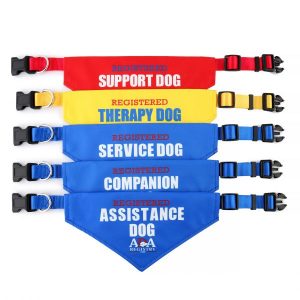
Service Dog Bandana
$39.95 Learn more This product has multiple variants. The options may be chosen on the product page
Custom ID Cards

Custom ID Cards
All States
Canada Cards
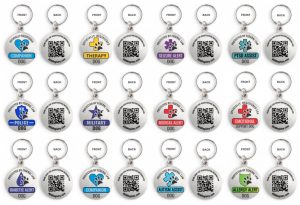
Custom Service Dog Tags
Official Dog Vests

Smart Vests
Official Public Access Kits
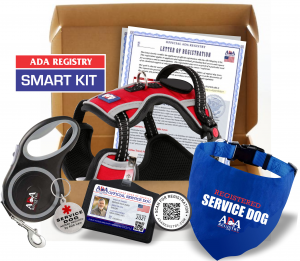
Complete Kits
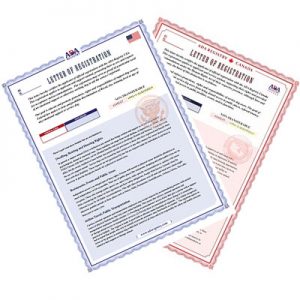
USA & CANADA Letters
High Quality Bandanas
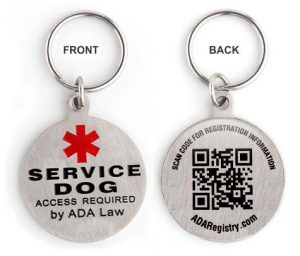
Service Dog Tags
Smart Tags
ESA TAGS