New Jersey Service Dog Laws
Register Any Breed
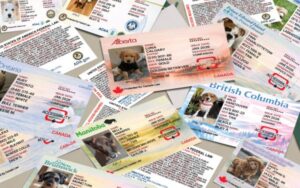
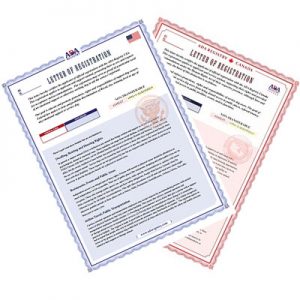
Example Cards Available In USA And Canada
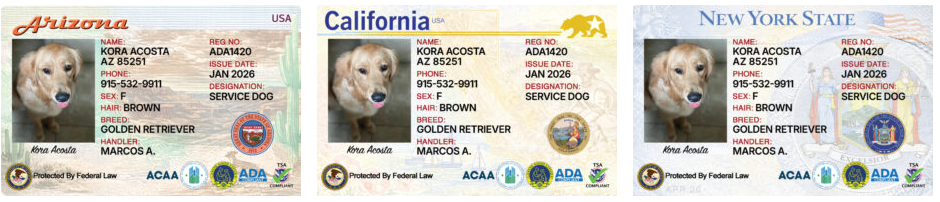
Service dog laws are crucial for individuals with disabilities, ensuring they receive the support they need from their service animals while navigating day-to-day environments. In New Jersey, service dog laws blend state-specific regulations with federal mandates to create a comprehensive framework for accessibility and rights for service dog handlers.
Overview of Service Dog and Legal Definitions in New Jersey
Understanding the legal definitions pertinent to service dogs in New Jersey forms the foundation for comprehending one’s rights and responsibilities.
What is a Service Dog?
A service dog is a specially trained canine that performs tasks directly related to an individual’s disability. These tasks can range from guiding blind individuals, alerting those who are deaf, reminding a person to take prescribed medications, or even pulling a wheelchair. In New Jersey, as in most states, the definition aligns with federal guidelines, emphasizing the dog’s training to perform tasks for individuals with disabilities recognized under the Americans with Disabilities Act (ADA).
How Service Dogs Differ from Other Types of Assistance Animals
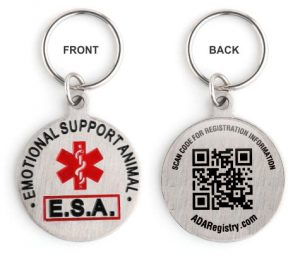
Service dogs differ from other assistance animals such as emotional support animals (ESAs) and therapy dogs.
- Service Dogs: Specifically trained to handle definite tasks for individuals with disabilities.
- Emotional Support Animals: Provide comfort merely by their presence and do not require special training.
- Therapy Dogs: Offer affection and comfort to people in facilities such as hospitals and retirement homes, but are not trained for individual handlers with disabilities.
Key Federal Laws Affecting Service Dogs
Federal laws provide a broad framework guaranteeing rights that supersede state laws when service dogs are concerned.
- Americans with Disabilities Act (ADA): Guarantees access to public spaces for individuals with service dogs.
- Fair Housing Act (FHA): Prohibits discrimination in housing, ensuring service dogs are accommodated.
- Air Carrier Access Act (ACAA): Protects the rights of individuals flying with service animals.
Understanding these federal statutes is essential, as they provide a baseline for service dog rights across states, including New Jersey.
State-Specific Service Dog Laws in New Jersey
New Jersey supplements federal laws with specific state regulations, ensuring comprehensive coverage for service dog handlers.
Register Any Breed
Example Cards Available In USA And Canada
Housing Rights and Responsibilities
Under New Jersey state laws, service dogs must be accommodated in housing, regardless of “no pets” policies. Landlords may require proof that the dog is specifically trained for the tenant’s disability but cannot impose fees or deposits typically associated with pets. Any request for documentation must align with what is permissible under the ADA.
Public Access and Accommodation
The law mandates open access to public spaces for service dogs. Businesses must permit service dogs in areas open to the public, but handlers are responsible for controlling their dogs. State law mirrors the ADA, providing no legal requirement for certification or identification documentation.
Transportation and Travel Rules
When traveling in New Jersey, service dog handlers benefit from ADA protections, which ensure service animals can accompany them in taxis, buses, trains, and ride-sharing vehicles. Noncompliance with these regulations can result in discrimination charges against the transportation provider.
Employment and Workplace Considerations
In New Jersey workplaces, the ADA protects employees who require service dogs. Employers may not discriminate against these individuals and are required to provide reasonable accommodations, unless these accommodations cause undue hardship on the operation of the business. Discussions around accommodations should focus on specific needs rather than on the nature of the disability itself.
Documentation, Requirements, and Processes in New Jersey
Understanding documentation and the process is crucial for service dog handlers when asserting their rights.
Service Dog Documentation and Who Can Issue It
Under both federal and New Jersey state law, certification or identification cards are not required for a service dog. However, some facilities might ask about the function of the dog, ensuring it is specifically trained for disability-related tasks. It’s important handlers can articulate the necessity of the service dog without disclosing specific disabilities.
Landlord, Business, and Provider Verification Rules
Inquiring parties, such as landlords or business owners, are limited in their questioning. Appropriate questions might include:
- Is the dog required due to a disability?
- What tasks has the dog been trained to perform?
These questions ensure the interactions remain respectful and legally compliant.
Rights, Limitations, and Legal Risks
A balanced understanding of a handler’s rights and potential limitations protects both the handler and the institution involved.
Rights Service Dog Handlers Have in New Jersey
Rights include access to public places, non-discriminative housing opportunities, and protected workplace accommodations. Service dog handlers should be treated equally, without extra charges for their service dogs in any public or private space.
Limits on Service Dog Protections and Common Restrictions
While service dogs are generally granted access everywhere, they may be excluded if they:
- Present a direct threat to health or safety.
- Are out of control and the handler does not take effective action.
- Cause substantial damage to property.
Penalties for Fraud or Misrepresentation
Falsely claiming a pet as a service dog is a misdemeanor in New Jersey and can lead to fines and/or community service. Such actions undermine the integrity of laws protecting individuals with legitimate needs and can result in stricter regulations that harm those who genuinely depend on their service dogs.
Practical Guidance for Service Dog Handlers in New Jersey
To ensure compliance with laws and minimize conflict, practical steps and communication strategies are valuable for handlers.
How to Qualify for a Service Dog Legitimately
To qualify:
- Have a recognized disability under the ADA.
- Ensure the dog is trained to perform specific tasks related to this disability.
Proper training is crucial, and seeking professional guidance from certified trainers may be valuable.
How to Talk to Landlords, Airlines, and Employers
Effective communication can reduce misunderstandings. Service dog handlers should:
- Clearly articulate the necessity of their service dog.
- Prepare to discuss the task(s) the dog performs.
- Use professional language to convey needs respectfully.
Summary of Service Dog Laws in New Jersey
In conclusion, individuals utilizing service dogs in New Jersey should be aware of both federal and state laws, ensuring they can exercise their rights effectively and without unnecessary restrictions. Key takeaways include:
- Federal and state laws ensure broad rights for service dog handlers in housing, transportation, and public access.
- Service dogs must be well-trained to perform tasks specific to the handler’s disability and should be prepared to articulate these tasks when necessary.
- No specific documentation is legally required, though handlers should understand verification rules.
- Be aware of the penalties for fraudulent misrepresentation of service animals to maintain the integrity and effectiveness of related laws.
Using this guide, service dog handlers in New Jersey can navigate their rights and responsibilities successfully, ensuring their needs are met while fostering understanding and compliance across various public and private sectors.


-
Public Access Kits
$149.00 Learn more This product has multiple variants. The options may be chosen on the product page -
Quick Ship Premium Vests
$48.00 – $82.00 Learn more This product has multiple variants. The options may be chosen on the product page -
Service Dog Bandana
$39.95 Learn more This product has multiple variants. The options may be chosen on the product page
Custom ID Cards

Custom ID Cards
All States
Canada Cards
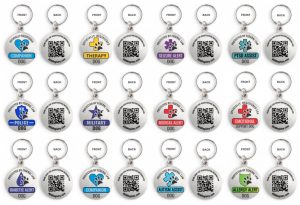
Custom Service Dog Tags
Official Dog Vests
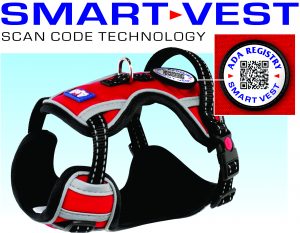
Smart Vests
Official Public Access Kits
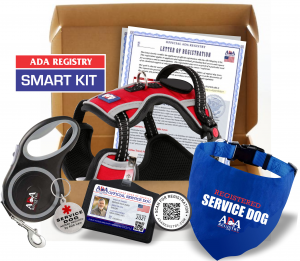
Complete Kits
USA & CANADA Letters
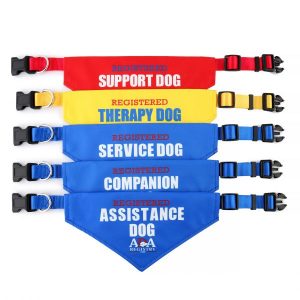
High Quality Bandanas
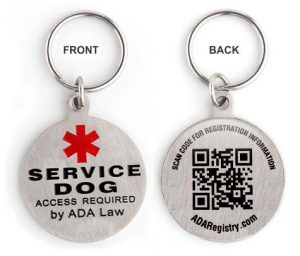
Service Dog Tags
Smart Tags
ESA TAGS