Oklahoma Service Dog Laws
Register Any Breed
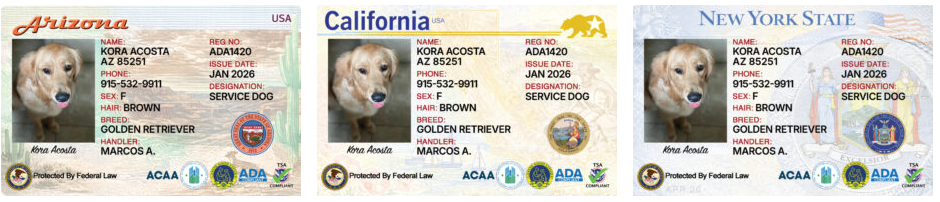
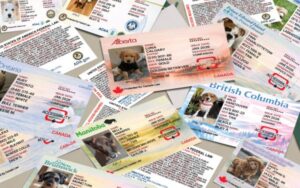
Example Cards Available In USA And Canada
Overview of Service Dog and Legal Definitions in Oklahoma
What is a Service Dog?
Service dogs are specially trained animals that assist individuals with disabilities in various daily activities. Under the Americans with Disabilities Act (ADA), a service dog is defined as a dog trained to perform tasks directly related to a person’s disability. This may include guiding individuals who are blind, alerting those who are deaf, pulling a wheelchair, alerting and protecting a person with a seizure disorder, or performing other unique tasks. In Oklahoma, these definitions adhere closely to federal standards, ensuring uniform protection and recognition for service dogs across various jurisdictions.
How Service Dogs Differ from Other Types of Assistance Animals
Assistance animals encompass a broad category but differ significantly from service dogs. Emotional support animals (ESAs) and therapy animals, while they provide comfort and emotional support, are not considered service animals and are not afforded the same legal protections. Service dogs undergo specialized training to perform specific tasks related to the handler’s disability, which is the essential criterion differentiating them from other assistance animals under both state and federal law in Oklahoma.
Key Federal Laws Affecting Service Dogs (e.g., ADA, FHA, ACAA)
Several federal laws outline the rights and protections of service dogs and their handlers. The ADA mandates that service dogs be allowed in public places to support individuals with disabilities. The Fair Housing Act (FHA) requires landlords to accommodate service animals, ensuring that individuals have equal access to housing without discrimination due to their need for a service animal. The Air Carrier Access Act (ACAA) prohibits discrimination in air travel, ensuring that service dog handlers can travel with their animals without additional fees. These federal laws provide a framework that aligns closely with Oklahoma’s approach to service dog legislation.
State-Specific Service Dog Laws in Oklahoma
Housing Rights and Responsibilities
In Oklahoma, the rights afforded to service dog owners in housing scenarios are aligned with the principles laid out in the FHA. Landlords must accommodate service dogs, especially in pet-restricted properties, without imposing additional fees. However, tenants must ensure that their service dog does not cause damage or disrupt the peace. This underscores a balanced approach where rights and responsibilities coexist, encouraging cooperation between landlords and service dog handlers.
Public Access and Accommodation
Oklahoma law guarantees that individuals with service dogs have the right to access public accommodations, mirroring the ADA’s requirements. Service dogs must be allowed to accompany their handlers into restaurants, hotels, retail stores, and public buildings. Despite ingrained rights, handlers should ensure dogs are well-behaved and under control, as disruptive animals may legally be denied access in certain scenarios.
Transportation and Travel Rules
Transportation laws in Oklahoma mandate that service dogs be permitted to accompany individuals on public transportation systems, including buses and trains. This right extends to boarding and residing in taxis and rideshares. Aligning with the ACAA, airlines must also comply, allowing service dogs in the cabin free of charge. However, handlers may be required to submit documentation prior to travel to confirm the dog’s status as a service dog.
Employment and Workplace Considerations
Under the ADA, and by extension Oklahoma law, employers must make reasonable accommodations for employees with service dogs. This includes permitting the service animal to accompany the handler to the workplace unless it causes undue hardship or poses a safety threat. Employers are encouraged to engage in dialogue with employees to ensure both parties understand each other’s rights and responsibilities.
Register Any Breed
Example Cards Available In USA And Canada
Documentation, Requirements, and Processes in Oklahoma
Service Dog Documentation and Who Can Issue It
Service dogs in Oklahoma are not required to be registered or certified by the state. However, handlers may find it beneficial to keep documentation stating the dog’s purpose and training. Such documentation is typically issued by the organization or individual trainer who facilitated the service dog’s training. Although not required by law, this paperwork may expedite processes when engaging with landlords or service providers.
Landlord, Business, and Provider Verification Rules
When engaging with landlords or businesses, handlers may only be asked two permissible questions: whether the dog is required because of a disability, and what tasks the dog has been trained to perform. Under no circumstances should the individual be compelled to disclose personal medical information or provide extensive documentation. This approach aligns with an ethos of privacy and respect for individuals requiring service animal assistance.
Rights, Limitations, and Legal Risks
Rights Service Dog Handlers Have in Oklahoma
Service dog handlers in Oklahoma are protected under comprehensive state and federal legislation. They have unfettered access to public spaces, housing, transportation, and employment opportunities. These rights are non-negotiable, fostering an inclusive environment for individuals with disabilities.
Limits on Service Dog Protections and Common Restrictions
Despite significant protections, limitations exist. Service animals may be restricted from specific areas for health and safety reasons, such as certain sterile medical environments. Moreover, if a service dog behaves aggressively or disruptively, access can be legally denied. These restrictions ensure a balanced approach, protecting public safety while affirming the rights of service dog handlers.
Penalties for Fraud or Misrepresentation
Misrepresenting a pet as a service dog is a legal offense in Oklahoma, punishable by fines or other measures. Such penalties aim to preserve the integrity of service dog legislation and prevent fraudulent claims from undermining the rights of legitimate handlers. Awareness campaigns continue to educate the public about these legal risks to ensure compliance and ethical practices.
Practical Guidance for Service Dog Handlers in Oklahoma
How to Qualify for a Service Dog Legitimately
Individuals seeking a service dog in Oklahoma should first obtain an evaluation from a qualified healthcare provider to determine if a service animal would be beneficial. Following approval, prospective handlers can engage with certified training programs to ensure their service dog is adept at performing tasks specific to their disability.
How to Talk to Landlords, Airlines, and Employers
Effective communication is essential in advocating for service dog rights. Handlers should be knowledgeable about applicable laws and articulate their needs clearly. When interacting with landlords, airline staff, or employers, offering concise explanations and, if necessary, producing minimal documentation can streamline accommodation processes and mitigate misunderstandings.
Summary of Service Dog Laws in Oklahoma
In Oklahoma, service dog handler rights are robust and comprehensive:
- Guaranteed access to public spaces, housing, and workplaces
- Obligations toward proper dog behavior and handler responsibility
- No requirement for official state-issued documentation or certification
- Legal protection against discrimination across public and private sectors
- Severe penalties for fraudulent representation of pets as service dogs
Oklahoma continues to advocate for inclusive environments where individuals with disabilities and their service animals can thrive. Handlers are encouraged to stay informed about their rights and responsibilities, facilitating educated interactions with those around them and fostering a supportive community.


-
Public Access Kits
$149.00 Learn more This product has multiple variants. The options may be chosen on the product page -
Quick Ship Premium Vests
$48.00 – $82.00 Learn more This product has multiple variants. The options may be chosen on the product page -
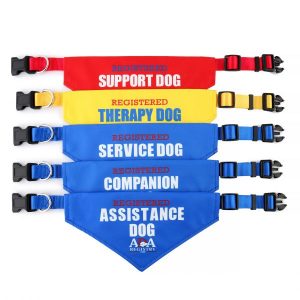
Service Dog Bandana
$39.95 Learn more This product has multiple variants. The options may be chosen on the product page
Custom ID Cards

Custom ID Cards
All States
Canada Cards
Custom Service Dog Tags
Official Dog Vests

Smart Vests
Official Public Access Kits
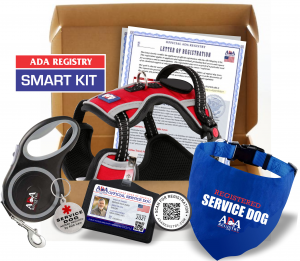
Complete Kits
USA & CANADA Letters
High Quality Bandanas
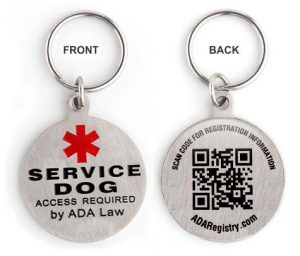
Service Dog Tags
Smart Tags
ESA TAGS