Texas Service Dog Laws
Register Any Breed
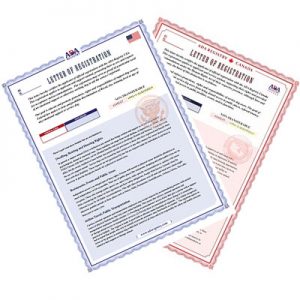
Example Cards Available In USA And Canada
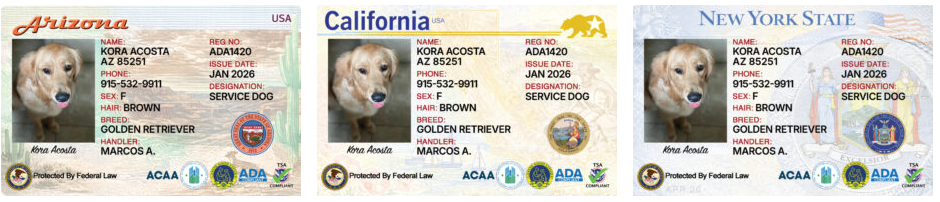

Service dogs play an essential role by providing assistance to individuals with disabilities, helping them navigate daily life and overcome challenges. In Texas, as in other states, specific laws and regulations govern the use of service dogs to ensure both handlers’ rights and the general public’s safety. To navigate these laws effectively, it’s crucial to understand the definitions, rights, limitations, documentation requirements, and practical guidance within the state.
Overview of Service Dog and Legal Definitions in Texas
What is a Service Dog?
A service dog is a specially trained canine that assists individuals with disabilities by performing tasks directly related to their disability. This may include guiding the visually impaired, alerting those with hearing impairments, pulling a wheelchair, or retrieving items. Unlike pets or emotional support animals, service dogs are recognized for their specific training and functionality in aiding their handlers.
How Service Dogs Differ from Other Types of Assistance Animals
Assistance animals come in various forms, including service animals, emotional support animals (ESAs), and therapy animals. Service dogs are trained to perform specific tasks for their handler, while ESAs provide comfort and emotional support without specialized training. Therapy animals usually visit institutions to provide therapeutic benefits. Importantly, only service dogs are granted the broadest range of legal protections under federal and state laws.
Key Federal Laws Affecting Service Dogs (e.g., ADA, FHA, ACAA)
Federal laws significantly shape the rights and access service dogs and their handlers enjoy across the United States:
- Americans with Disabilities Act (ADA): This landmark civil rights law prohibits discrimination and demands accessibility for individuals with disabilities in public entities and facilities.
- Fair Housing Act (FHA): Under the FHA, individuals with disabilities may have reasonable accommodations allowing service dogs in housing, even where pets are not typically permitted.
- Air Carrier Access Act (ACAA): This act ensures that service dogs can accompany their handlers in aircraft cabins, highlighting the necessity of recognizing their role in disability assistance.
State-Specific Service Dog Laws in Texas
Housing Rights and Responsibilities
In Texas, housing providers must comply with the FHA, allowing service dogs as reasonable accommodations for tenants with disabilities. While landlords cannot charge additional fees for service dogs, tenants are responsible for the dog’s behavior and any potential property damage.
Public Access and Accommodation
The ADA’s provisions mandate that service dogs have access to most public spaces in Texas, including restaurants, hotels, and public transportation. Establishments cannot ask for documentation or proof of task performance but can inquire about whether the dog is required due to a disability and what tasks it performs.
Transportation and Travel Rules
Service dogs are allowed on public transportation systems, such as buses and trains, as well as airlines per the ACAA. Travel carriers may not charge extra fees but may request advanced notice and documentation to help accommodate the handler adequately.
Register Any Breed
Example Cards Available In USA And Canada
Employment and Workplace Considerations
Under both state and federal law, employers in Texas must provide reasonable accommodations for employees who require the assistance of service dogs. Employers can request documentation substantiating the need for a service dog but cannot outright deny accommodation unless it creates undue hardship.
Documentation, Requirements, and Processes in Texas
Service Dog Documentation and Who Can Issue It
In Texas, there is no official state-issued documentation for service dogs. However, handlers can provide a note from a qualified medical professional indicating the necessity of a service dog based on the handler’s disability.
Landlord, Business, and Provider Verification Rules
Public entities and private businesses can ask two specific questions about service dogs to verify legitimacy: whether the service dog is required for a disability and what tasks the dog has been trained to perform. These questions ensure compliance with ADA guidelines without invading privacy.
Rights, Limitations, and Legal Risks
Rights Service Dog Handlers Have in Texas
Service dog handlers in Texas are entitled to:
- Full and equal access to public places
- Reasonable accommodations in housing
- Non-discriminatory treatment in employment settings
Limits on Service Dog Protections and Common Restrictions
Despite their broad rights, there are some circumstances where service dogs may be restricted:
- In private clubs and religious organizations not open to the public
- If the dog’s presence presents a fundamental alteration or direct threat to the health and safety of others
Penalties for Fraud or Misrepresentation
Claiming a pet as a service dog without proper training or attempting to use fraudulent documentation can result in penalties. Misrepresentation may lead to fines and other penalties as determined by legal statutes in Texas, protecting the integrity of true service animals’ rights.
Practical Guidance for Service Dog Handlers in Texas
How to Qualify for a Service Dog Legitimately
To qualify, an individual should have a disability recognized under the ADA and require assistance with specific tasks. It’s wise to contact a reputable service dog organization or trainer who can assess needs and offer guidance in obtaining a suitable service animal.
How to Talk to Landlords, Airlines, and Employers
Effective communication is imperative:
- With landlords, provide a professional’s note and highlight specific housing accommodations needed.
- With airlines, check requirements ahead of your trip and submit any necessary documentation.
- With employers, discuss specific tasks performed by the service dog and how this aids work performance.
Summary of Service Dog Laws in Texas
Creating a harmonious environment for service dog handlers involves understanding the necessary laws and rights. Below is a summary of key takeaways:
- Legal Definitions: Service dogs are trained for specific tasks aiding disabilities.
- Federal Laws: ADA, FHA, and ACAA provide foundational rights for service dogs.
- Texas Specifics: Public access, housing rights, and employment policies uphold service dog rights.
- Documentation: No Texas-issued documentation; verification through ADA-compliant questions.
- Limitations: Restrictions in private, religious, and safety-sensitive contexts.
- Fraud Penalization: Misrepresentation carries legal consequences; maintain authenticity in service dog claims.
Being informed and observing these guidelines helps uphold the rights of service dog users while ensuring everyone’s safety and comfort in Texan communities.


-
Public Access Kits
$149.00 Learn more This product has multiple variants. The options may be chosen on the product page -
Quick Ship Premium Vests
$48.00 – $82.00 Learn more This product has multiple variants. The options may be chosen on the product page -
Service Dog Bandana
$39.95 Learn more This product has multiple variants. The options may be chosen on the product page
Custom ID Cards

Custom ID Cards
All States
Canada Cards

Custom Service Dog Tags

Official Dog Vests

Smart Vests
Official Public Access Kits
Complete Kits
USA & CANADA Letters
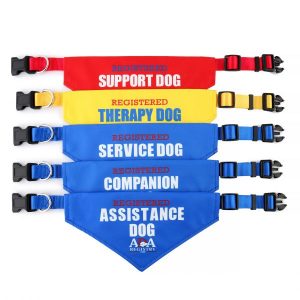
High Quality Bandanas
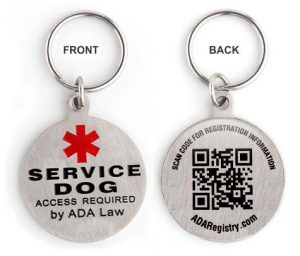
Service Dog Tags
Smart Tags
ESA TAGS