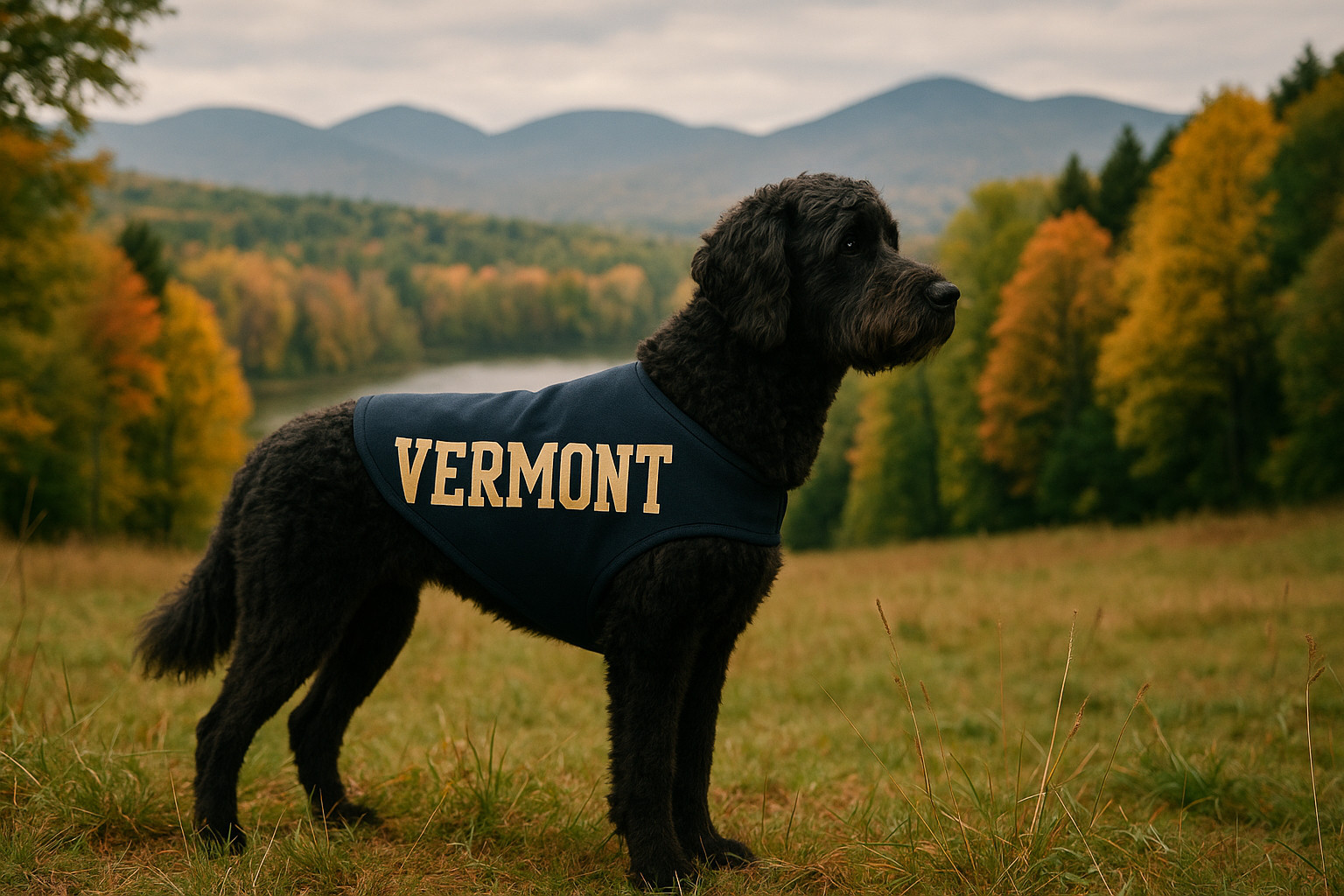
Vermont Service Dog Laws
Register Any Breed
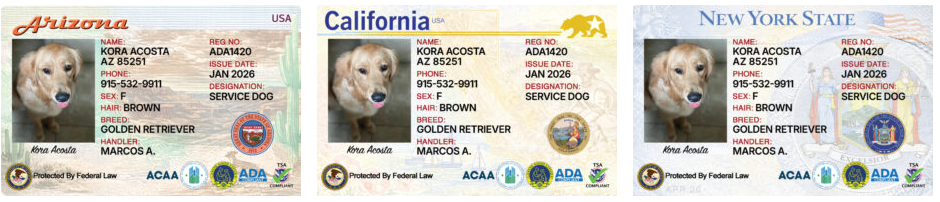
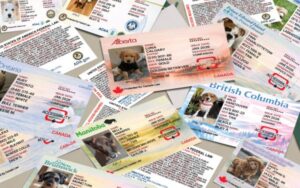
Example Cards Available In USA And Canada
Service dogs play an essential role in assisting individuals with disabilities. Understanding the laws surrounding service dogs in Vermont is critical for both handlers and the general public to ensure compliance and respect for these working animals. This guide offers an informative exploration of the service dog laws specific to Vermont, integrating federal legislation and state-specific regulations.
Overview of Service Dog and Legal Definitions in Vermont
What is a Service Dog?
Under the Americans with Disabilities Act (ADA), a service dog is defined as a dog that has been individually trained to perform tasks or do work for a person with a disability. The task(s) performed by the dog must be directly related to the person’s disability. In Vermont, the definition aligns with federal law, emphasizing the dog’s role in actively aiding with specific tasks.
How Service Dogs Differ from Other Types of Assistance Animals
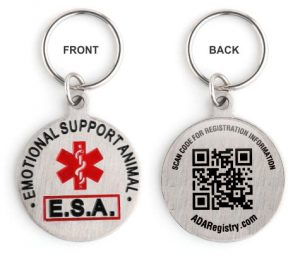
It’s important to distinguish service dogs from other types of assistance or support animals. Emotional support animals (ESAs), for instance, provide comfort by being with a person but are not trained to perform specific tasks for a disability. Vermont adheres to the ADA’s distinctions and does not afford the same access rights to ESAs as it does to service dogs.
Key Federal Laws Affecting Service Dogs (e.g., ADA, FHA, ACAA)
Federal laws offer foundational protection and access rights for service dogs and their handlers across the United States. These laws include:
- Americans with Disabilities Act (ADA): Provides access rights to public places.
- Fair Housing Act (FHA): Ensures reasonable accommodations for service dogs in housing.
- Air Carrier Access Act (ACAA): Regulates service dogs’ rights during air travel.
These federal statutes establish broad rights that apply nationwide, including Vermont, ensuring that no state law can offer less protection than these federal standards.
State-Specific Service Dog Laws in Vermont
While federal laws lay the groundwork, Vermont has additional statutes that expand on the rights and responsibilities related to service dogs. These laws often address nuances specific to state governance, enhancing the baseline protections established federally.
Housing Rights and Responsibilities
Under Vermont law, landlords are required to make reasonable accommodations for individuals with service dogs, consistent with the FHA. Landlords cannot charge additional pet fees for service dogs; however, they may seek compensation for any damage a service dog might cause, just as they would with any tenant.
Register Any Breed
Example Cards Available In USA And Canada
Public Access and Accommodation
In Vermont, service dogs are allowed to accompany their handlers in any place open to the public, such as restaurants, stores, and hospitals. Businesses cannot require a service dog to display special identification or certification, aligning with ADA protocols. Questions regarding a dog’s status are limited to two inquiries: if the dog is required because of a disability, and what work or task it has been trained to perform.
Transportation and Travel Rules
Public transit systems in Vermont are required to allow service dogs to accompany their handlers. This aligns with the protections provided under the ADA and the ACAA, ensuring consistent access across various transportation modes without discriminatory practices against service dog handlers.
Employment and Workplace Considerations
Employers in Vermont, following ADA guidelines, must provide reasonable accommodations for employees with service dogs, unless it results in undue hardship. This encompasses changes in work environment and policies tailored to assist individuals with disabilities effectively integrating service dogs into their workplace.
Documentation, Requirements, and Processes in Vermont
Service Dog Documentation and Who Can Issue It
While Vermont law aligns with the ADA in prohibiting mandatory documentation display, handlers may voluntarily possess documentation. This documentation typically comprises a letter from a licensed healthcare provider or an identification card from an accredited service dog training organization.
Landlord, Business, and Provider Verification Rules
In Vermont, the verification process is streamlined to prevent unnecessary hurdles for service dog handlers. Entities may ask only limited questions about the presence and necessity of a service dog, without requiring proof or documentation for entry or accommodation. This is consistent with federal mandates to protect the privacy and dignity of those using service dogs.
Rights, Limitations, and Legal Risks
Rights Service Dog Handlers Have in Vermont
Individuals with service dogs in Vermont benefit from comprehensive access rights across public domains, mirroring federal protections under the ADA. This ensures seamless integration into daily public life and underscores the state’s commitment to upholding federal standards.
Limits on Service Dog Protections and Common Restrictions
While service dogs enjoy wide-ranging access, certain restrictions apply. For instance, if a service dog is out of control and its handler does not take effective action to control it, a business can request the removal of the dog. Harsh or excessive barking that is not part of the service being provided may also lead to restrictions.
Penalties for Fraud or Misrepresentation
In Vermont, individuals misrepresenting pets as service dogs face legal penalties. This deterrent underscores Vermont’s commitment to protecting the integrity of genuine service dogs and their handlers, promoting a respectful and lawful environment.
Practical Guidance for Service Dog Handlers in Vermont
How to Qualify for a Service Dog Legitimately
Obtaining a service dog involves a clear process, beginning with a formal assessment of the individual’s disability needs by a healthcare provider. After determining eligibility, engagement with a recognized service dog training organization to receive or train a service dog is the next step.
How to Talk to Landlords, Airlines, and Employers
Effective communication is pivotal in navigating service dog laws in Vermont. Handlers should be prepared to:
- Inform landlords of the service dog’s role and rights under the FHA.
- Provide verbal confirmation of a service dog’s tasks when boarding flights under ACAA.
- Discuss workplace accommodations with employers, referencing ADA rights.
Summary of Service Dog Laws in Vermont
Understanding and complying with service dog laws in Vermont involves encapsulating federal standards with specific state nuances. Handlers must remain informed and proactive to ensure their rights are protected and upheld.
Key Rights and Tips for Service Dog Handlers in Vermont:
- Service dogs must perform specific tasks related to a disability.
- Handlers are not required to produce documentation unless voluntarily offered.
- Service dogs have access rights to all public and private accommodations.
- Airlines cannot charge fees for service dogs if they perform documented tasks.
- Misrepresenting a pet as a service dog can result in fines and other legal actions.
- Landlords must provide reasonable accommodations while allowing recourse for damages caused by service dogs.
- Handlers should communicate clearly with service providers about their rights and the roles of their service dogs.
By adhering to these guidelines and understanding the legal landscape, service dog handlers in Vermont can ensure both their own rights and the rights of their service dogs are preserved, promoting an inclusive society for all.


-
Public Access Kits
$149.00 Learn more This product has multiple variants. The options may be chosen on the product page -
Quick Ship Premium Vests
$48.00 – $82.00 Learn more This product has multiple variants. The options may be chosen on the product page -
Service Dog Bandana
$39.95 Learn more This product has multiple variants. The options may be chosen on the product page
Custom ID Cards

Custom ID Cards
All States
Canada Cards
Custom Service Dog Tags

Official Dog Vests

Smart Vests
Official Public Access Kits
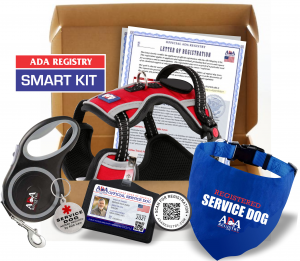
Complete Kits
USA & CANADA Letters
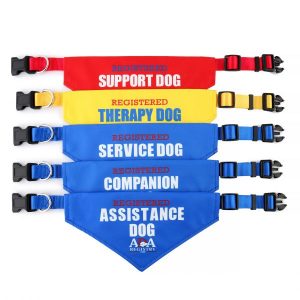
High Quality Bandanas
Service Dog Tags
Smart Tags
ESA TAGS