Virginia Service Dog Laws
Register Any Breed
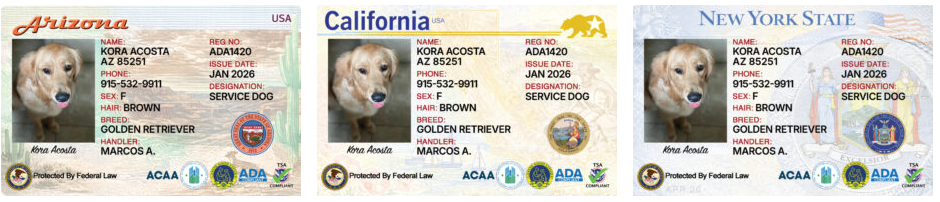
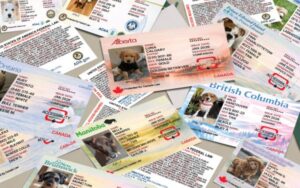
Example Cards Available In USA And Canada

Navigating the regulatory landscape concerning service dogs can be challenging, especially given the intricate interplay between federal and state laws. This article provides a comprehensive guide to service dog laws in Virginia, highlighting essential legislation, rights, and responsibilities for service dog handlers.
Overview of Service Dog and Legal Definitions in Virginia
What is a Service Dog?
A service dog is more than just a companion; it is a specifically trained animal that performs tasks for individuals with disabilities. Under the Americans with Disabilities Act (ADA), a service dog is defined as a dog individually trained to do work or perform tasks for the benefit of an individual with a disability, including physical, sensory, psychiatric, intellectual, or other mental impairments. In Virginia, this definition is aligned with federal standards, ensuring consistent protection and understanding across both state and national levels.
How Service Dogs Differ from Other Types of Assistance Animals
Service dogs are distinct from other assistance animals, such as emotional support animals (ESAs) and therapy animals. While ESAs provide emotional comfort, they are not specially trained to perform tasks related to a disability. Therapy animals are often used in clinical settings to provide therapeutic contact to improve a patient’s psychological well-being. However, unlike service dogs, they are not recognized under the ADA for public access rights. This distinction is crucial in enforcing legal protections and access rights in Virginia.
Key Federal Laws Affecting Service Dogs (e.g., ADA, FHA, ACAA)
Several federal laws impact the rights and usage of service dogs in Virginia:
- Americans with Disabilities Act (ADA): Provides broad protections, ensuring service dogs are permitted in practically all public spaces.
- Fair Housing Act (FHA): Ensures individuals with disabilities can live in housing with their service animals without facing discrimination.
- Air Carrier Access Act (ACAA): Guarantees that service dogs can accompany their handlers on flights without incurring additional fees.
State-Specific Service Dog Laws in Virginia
Virginia adheres to federal standards concerning service animals, while also incorporating state-specific regulations to address nuanced issues and settings unique to the state.
Housing Rights and Responsibilities
Under the FHA and Virginia law, individuals with disabilities have the right to live with their service dogs in all forms of housing, regardless of pet policies. Landlords must make reasonable accommodations to ensure equal access to housing. However, tenants are encouraged to communicate openly and in advance with landlords to prevent misunderstandings or disputes.
Public Access and Accommodation
Service dogs in Virginia are granted entry to all public areas, including restaurants, retailers, and healthcare facilities. Businesses cannot ask about the nature of a person’s disability but may inquire whether a dog is a service animal and what tasks it is trained to perform. This ensures both privacy for individuals and compliance with the ADA.
Register Any Breed
Example Cards Available In USA And Canada
Transportation and Travel Rules
Service dogs are permitted on all public transportation systems in Virginia. Under state law and the ACAA, owners are not required to pay additional fees to bring their service dogs on flights or public transit. It’s essential for handlers to familiarize themselves with specific policies of airlines or carriers they frequently use.
Employment and Workplace Considerations
Employers in Virginia must comply with the ADA, which requires reasonable accommodations for employees with disabilities, including the presence of service dogs in the workplace. It is advantageous for both employers and employees to maintain open lines of communication to ensure seamless integration of service dogs into the workplace without disrupting business operations.
Documentation, Requirements, and Processes in Virginia
Service Dog Documentation and Who Can Issue It
While the ADA does not require service dogs to be certified or registered, some contexts in Virginia might necessitate documentation. Typically, a letter from a healthcare professional substantiating the disability and the need for a service animal suffices. However, no official service dog “license” or ID is required legally.
Landlord, Business, and Provider Verification Rules
Legally, businesses and landlords may only ask two questions to verify a service dog: (1) Is the dog a service animal required because of a disability? (2) What work or task has the dog been trained to perform? Requesting additional documentation, certification, or proof of training is not permissible under Virginia or federal law.
Rights, Limitations, and Legal Risks
Rights Service Dog Handlers Have in Virginia
Service dog handlers in Virginia enjoy full access rights similar to those outlined in the ADA. This includes accessing all public spaces and facilities and living in housing units regardless of pet restrictions. These rights are enforced to facilitate independence and participation in everyday activities for individuals with disabilities.
Limits on Service Dog Protections and Common Restrictions
Despite strong protections, some limits exist. Service dogs can be excluded from environments where their presence fundamentally alters the nature of a service or poses a direct threat to others’ health and safety. Additionally, handlers must ensure their service dogs are clean and under control, as disruptive behavior may lead to the animal’s exclusion.
Penalties for Fraud or Misrepresentation
Misrepresenting a pet as a service dog is illegal and carries penalties in Virginia. Misrepresentation can lead to fines or other legal repercussions, aimed at protecting genuine service dog handlers and maintaining the integrity of service animal protections.
Practical Guidance for Service Dog Handlers in Virginia
How to Qualify for a Service Dog Legitimately
Individuals should initially consult with healthcare providers to determine if a service dog is suitable for their disability. Following this, partnering with accredited training programs can facilitate the process of acquiring a trained service dog.
How to Talk to Landlords, Airlines, and Employers
Clear and respectful communication is key. Handlers should be prepared to educate landlords, airlines, and employers about their rights and the purpose of their service dog. Anticipating common concerns and addressing them proactively can reduce resistance and promote cooperation.
Summary of Service Dog Laws in Virginia
Understanding the legal landscape is vital for service dog handlers to protect their rights and avoid legal pitfalls. Here’s a brief summary:
- Service dogs are distinct from pets: They are specifically trained for disability-related tasks.
- Federal laws like the ADA provide broad protections: Service dogs are allowed in all public areas.
- Housing accommodations are required: Landlords cannot impose pet restrictions.
- Open communication is essential: Be prepared to explain your rights and the tasks your service dog performs.
- Penalties exist for misrepresentation or fraud: Compliance with laws ensures legal protection and maintains service dog integrity.
Virginia’s service dog laws are in place to support those with disabilities while safeguarding the public’s health and safety. By understanding rights, responsibilities, and limitations, handlers can confidently live with and benefit from their service dogs across various environments.


-
Public Access Kits
$149.00 Learn more This product has multiple variants. The options may be chosen on the product page -
Quick Ship Premium Vests
$48.00 – $82.00 Learn more This product has multiple variants. The options may be chosen on the product page -
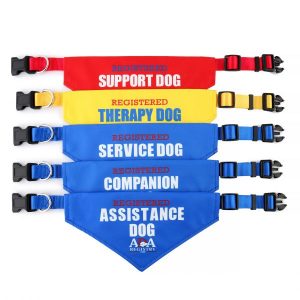
Service Dog Bandana
$39.95 Learn more This product has multiple variants. The options may be chosen on the product page
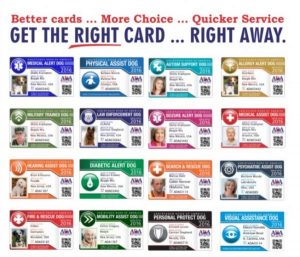
Custom ID Cards
Custom ID Cards
All States
Canada Cards
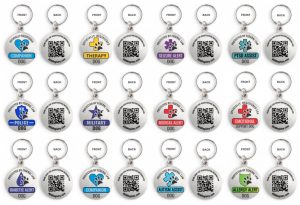
Custom Service Dog Tags
Official Dog Vests

Smart Vests
Official Public Access Kits
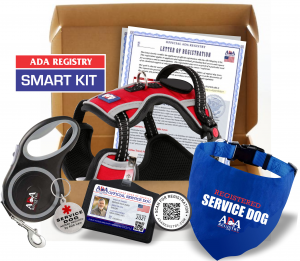
Complete Kits
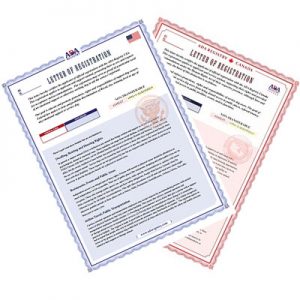
USA & CANADA Letters
High Quality Bandanas
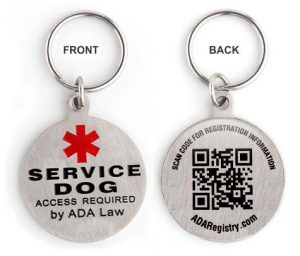
Service Dog Tags
Smart Tags
ESA TAGS