West Virginia Service Dog Laws
Register Any Breed
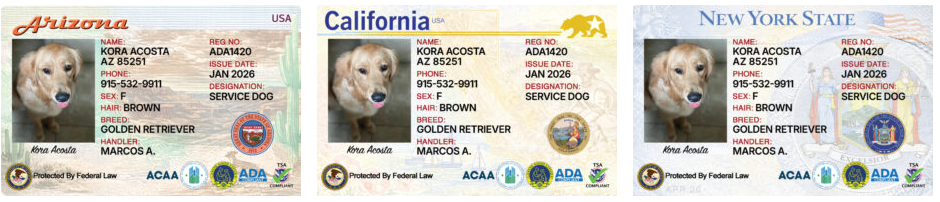
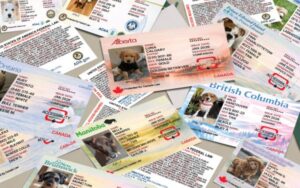
Example Cards Available In USA And Canada
Overview of Service Dog and Legal Definitions in West Virginia
Understanding the legal framework surrounding service dogs is crucial for handlers, landlords, and the general public. In West Virginia, as in the rest of the United States, specific laws protect the rights of individuals who rely on service dogs to manage their daily activities.
What is a Service Dog?
A service dog is a canine trained to perform specific tasks for an individual with a disability. This might include guiding visually impaired individuals, alerting hearing-impaired persons to sounds, pulling a wheelchair, alerting and protecting a person having a seizure, or reminding a person with a mental illness to take prescribed medications. Under the Americans with Disabilities Act (ADA), a service dog is not a pet but a working animal.
How Service Dogs Differ from Other Types of Assistance Animals
It’s important to differentiate service dogs from other types of assistance animals. Emotional support animals (ESAs) or therapy dogs provide comfort but do not perform specific tasks related to a disability, and therefore, do not have the same legal rights as service dogs. ESAs, for example, might be allowed in housing but do not have the public access rights that service dogs do.
Key Federal Laws Affecting Service Dogs (e.g., ADA, FHA, ACAA)
Several federal laws provide the framework for service dog rights:
- Americans with Disabilities Act (ADA): Mandates that service dogs be allowed in all public facilities and private businesses that serve the public.
- Fair Housing Act (FHA): Requires landlords to allow service dogs in housing, even if they have a “no pets” policy.
- Air Carrier Access Act (ACAA): Permits service dogs to accompany their handlers in the cabin of an airplane without additional charges.
State-Specific Service Dog Laws in West Virginia
Housing Rights and Responsibilities
Under both the Federal Fair Housing Act and West Virginia law, tenants with disabilities are entitled to keep service dogs in their residences, even when a landlord has a strict no-pet policy. Landlords cannot require additional fees or deposits for these animals, though they can charge for any actual damage caused by the animal.
Public Access and Accommodation
In West Virginia, public accommodation laws align closely with the ADA. Businesses, government buildings, hospitals, and nonprofits must allow access to service dogs. These establishments cannot ask service dog handlers about the nature of their disabilities but can inquire if the dog is a service animal required because of a disability and what tasks it has been trained to perform.
Transportation and Travel Rules
Both federal and state laws ensure that service dogs can accompany their handlers on public transportation, including buses and trains. The Air Carrier Access Act requires airlines to accommodate service dogs aboard flights and does not allow additional charges for their travel.
Register Any Breed
Example Cards Available In USA And Canada
Employment and Workplace Considerations
Under the ADA, employers must allow service dogs in the workplace as a reasonable accommodation unless doing so poses an undue hardship. In West Virginia, employees should notify their employers about the need for a service dog and discuss reasonable accommodations.
Documentation, Requirements, and Processes in West Virginia
Service Dog Documentation and Who Can Issue It
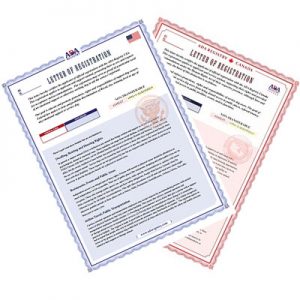
While West Virginia does not mandate specific certification for service dogs, handlers may need to provide some evidence, especially for air travel or housing. Typically, documentation may include a letter from a healthcare provider confirming the handler’s disability and need for a service dog or proof of the dog’s training, though the latter is usually not required.
Landlord, Business, and Provider Verification Rules
Entities like landlords and service providers are limited in what documentation they can request. Generally, they can ask for a doctor’s note or some form of verification that indicates the need for a service animal due to a disability but cannot demand certification or license proof for the dog itself.
Rights, Limitations, and Legal Risks
Rights Service Dog Handlers Have in West Virginia
Service dog handlers in West Virginia have the right to access public places, housing, and transportation without facing discrimination. Handlers are protected from being asked intrusive questions about their disabilities when accompanied by a service dog.
Limits on Service Dog Protections and Common Restrictions
Despite generous protections, there are limitations. Service dogs can be restricted if they pose a direct threat to health and safety, are out of control, or if the dog’s presence fundamentally alters the nature of a program or service.
Penalties for Fraud or Misrepresentation
Misrepresenting a pet as a service animal is a legal issue in West Virginia. Falsifying documentation or misusing service dog access rights can lead to fines and penalties for handlers, as well as potential criminal charges.
Practical Guidance for Service Dog Handlers in West Virginia
How to Qualify for a Service Dog Legitimately
To qualify for a service dog in West Virginia, individuals must have a disability that significantly limits one or more major life activities. The individual must need the dog to perform specific tasks directly related to their disability.
How to Talk to Landlords, Airlines, and Employers
When discussing your service dog with landlords, airlines, or employers:
- Provide clear documentation from a healthcare provider if needed.
- Explain the tasks your service dog performs if questioned, keeping personal details private.
- Know your rights and kindly but firmly assert them when necessary.
Summary of Service Dog Laws in West Virginia
– Service dogs must be allowed in all public spaces, housing, and accommodation facilities, provided they are trained to assist the handler’s disability. – Federal laws like the ADA and FHA protect service dog access rights; West Virginia aligns with these statutes. – Handlers are not required to show a service dog certification or training license but may need a healthcare provider’s note. – Misrepresenting non-service animals as service dogs is illegal and subject to penalties. – Practical steps include knowing your rights, preparing documentation for situations where you might be asked for it, and ensuring your service dog is well-behaved in public.
For anyone utilizing or interacting with service dogs in West Virginia, a clear understanding of these guidelines will help ensure compliance with the law and foster respectful interactions.


-
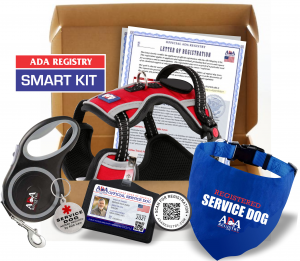
Public Access Kits
$149.00 Learn more This product has multiple variants. The options may be chosen on the product page -
Quick Ship Premium Vests
$48.00 – $82.00 Learn more This product has multiple variants. The options may be chosen on the product page -
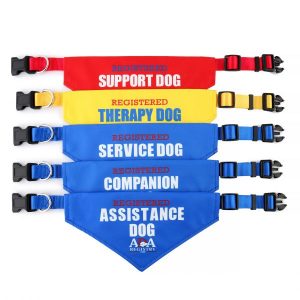
Service Dog Bandana
$39.95 Learn more This product has multiple variants. The options may be chosen on the product page
Custom ID Cards

Custom ID Cards
All States
Canada Cards
Custom Service Dog Tags

Official Dog Vests

Smart Vests
Official Public Access Kits
Complete Kits
USA & CANADA Letters
High Quality Bandanas
Service Dog Tags
Smart Tags
ESA TAGS