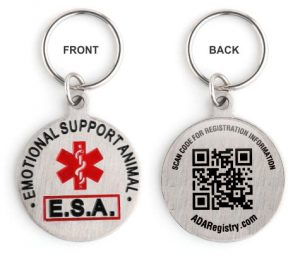
Service Dog Information
Any size or breed of dog can be an emotional support or service dog, emotional support dogs do not have to be professionally-trained to perform any task. Service dogs can be trained by their owners or in any other manner the owner desires.
Service dogs are protected under federal law
Service dogs are dogs that have been individually trained to perform a specific task for individuals who have disabilities. The disabilities can vary greatly, and so do the tasks that the service dogs perform. Service dogs can aid in navigation for people who are hearing- and visually impaired, assist an individual who is having a seizure, calm an individual who suffers from Post-Traumatic
Stress Disorder, and even dial 911 in the event of an emergency. Many disabled individuals depend on them every day to help them live their everyday lives.
Under the Americans with Disabilities Act (ADA), an individual with a disability is entitled to a service dog to help them live their lives normally. The ADA protects disabled individuals by allowing them to bring their service dog with them to most places that the public is permitted, including restaurants, hotels, housing complexes, and even in air travel. Any dog can be a service dog, and service dogs do not have to be professionally-trained. The important thing is that the dog is trained to be a working animal and not a pet.
Most Common Reasons Listed For Service Dog Needs.
Arthritis, Ataxia (Poor Balance), Autism, Blindness (or Poor Vision), Cancer, Cardio/ Pulmonary Disease, Cerebral Palsy, Deafness Or Hearing Impaired, Diabetes, Medical Alert Needs, Multiple Sclerosis (MS),Pain Related, PTSD, Physical Mobility Issues, Psychiatric Disabilities, Seizure Disorders, Severe Allergy Alert, Spina Bifida, Spinal Cord/Head Trauma, Stroke,
People with service animals must be allowed access to all public accommodations.
This right takes precedence over all state and local laws which might otherwise prohibit animals in those places such as Stores, Malls, Restaurants, Hotels/Resorts, Airlines, Cruises, Taxi cabs, Buses just to name a few.
Not Registered Yet?
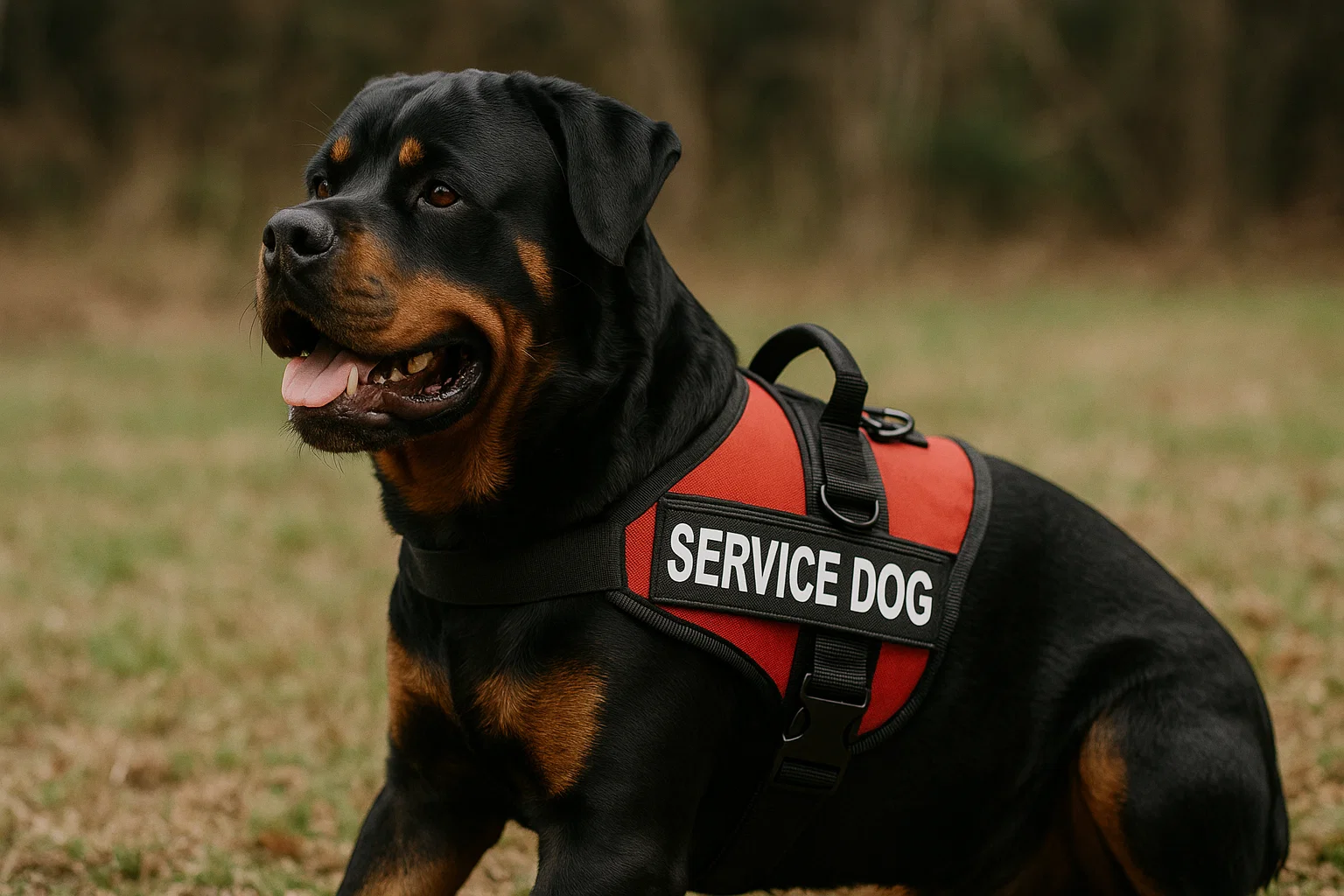
Rottweiler as a Service Dog
Rottweilers have long been admired for their strength, loyalty, and protective instincts. While traditionally associated with guarding and protection, these…


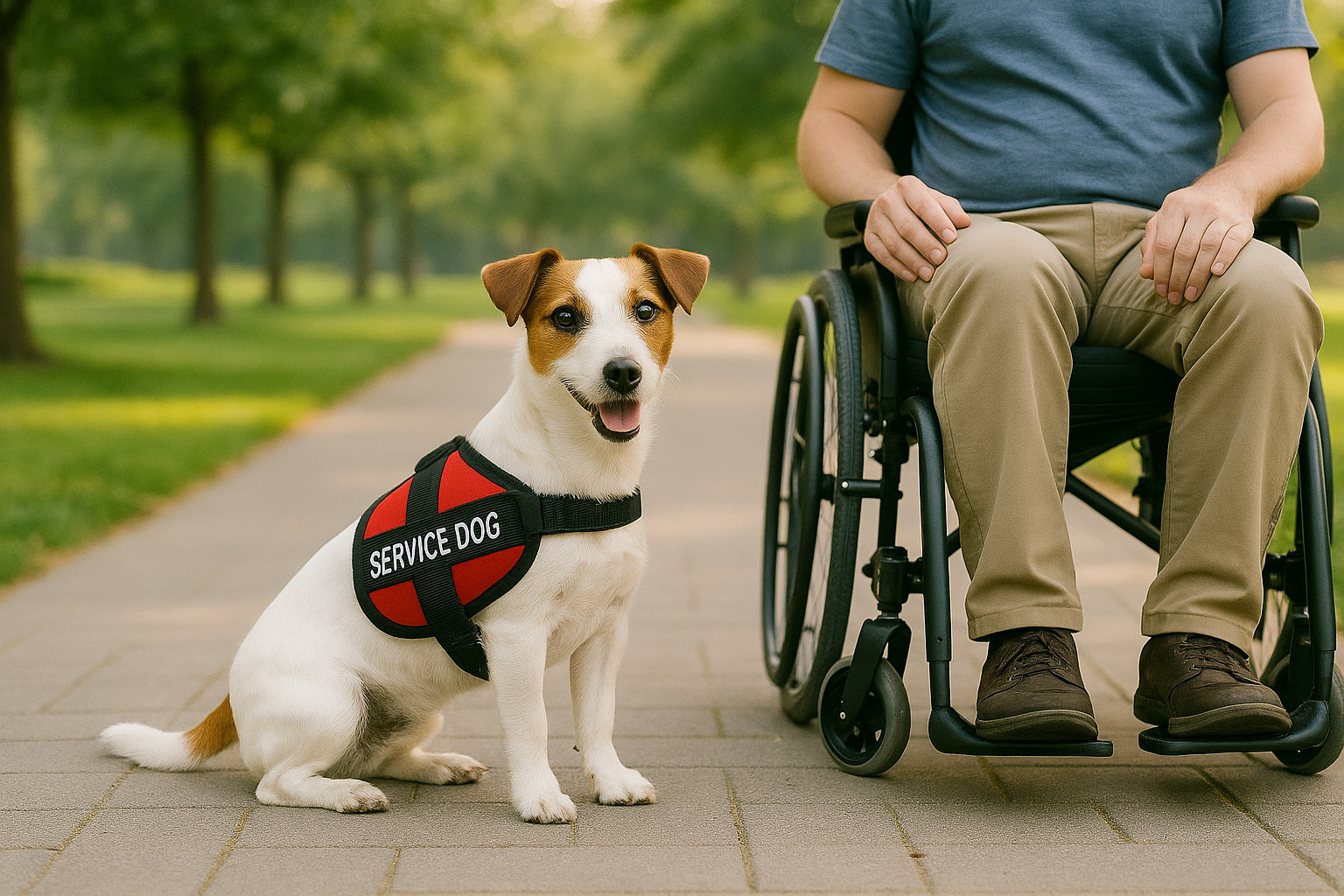
Russell Terrier as a Service Dog
Service dogs play a critical role in providing assistance to individuals with various disabilities, enhancing their quality of life and…


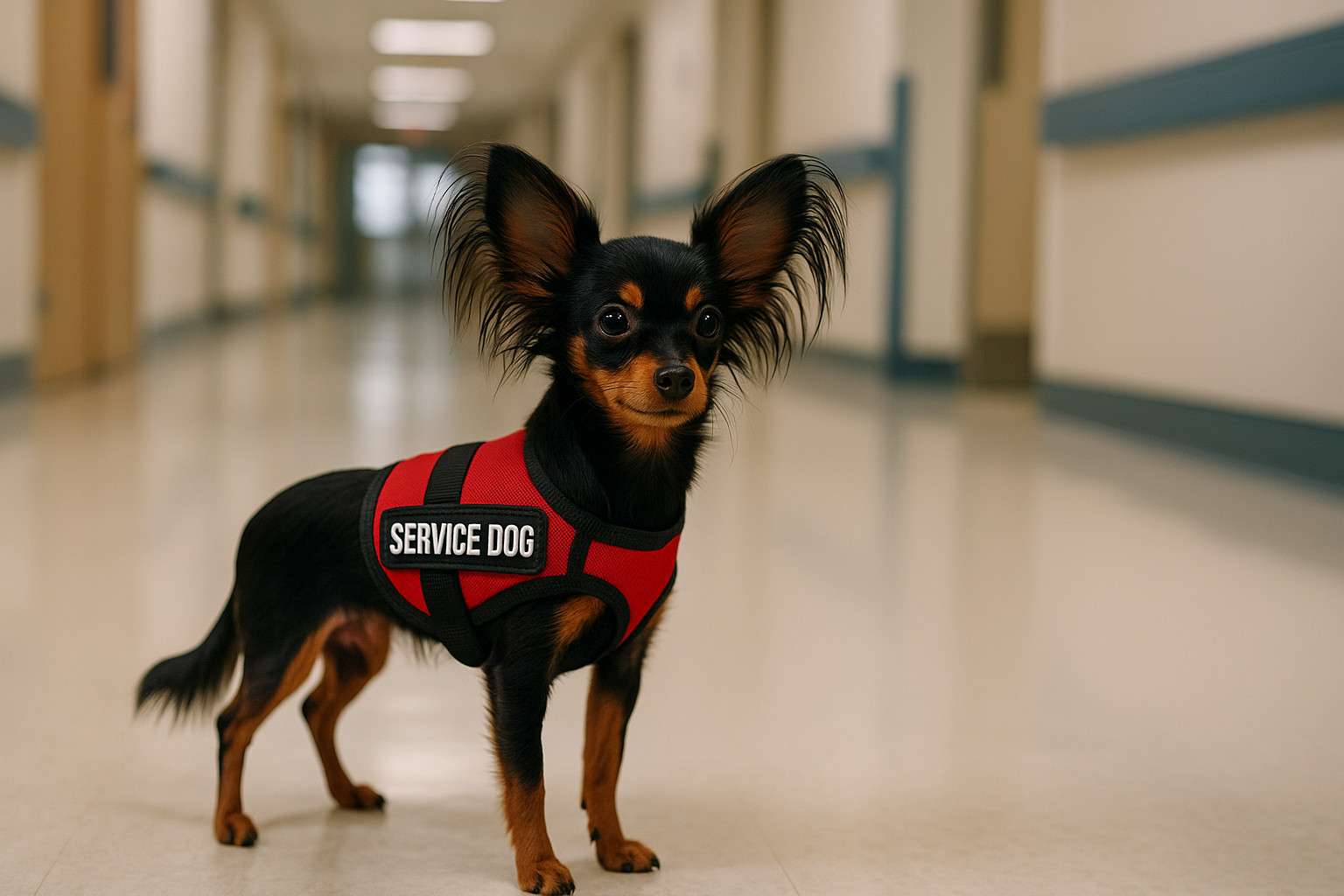
Russian Toy as a Service Dog
The Russian Toy, a small and lively breed with a rich history, presents a unique option for those considering a…


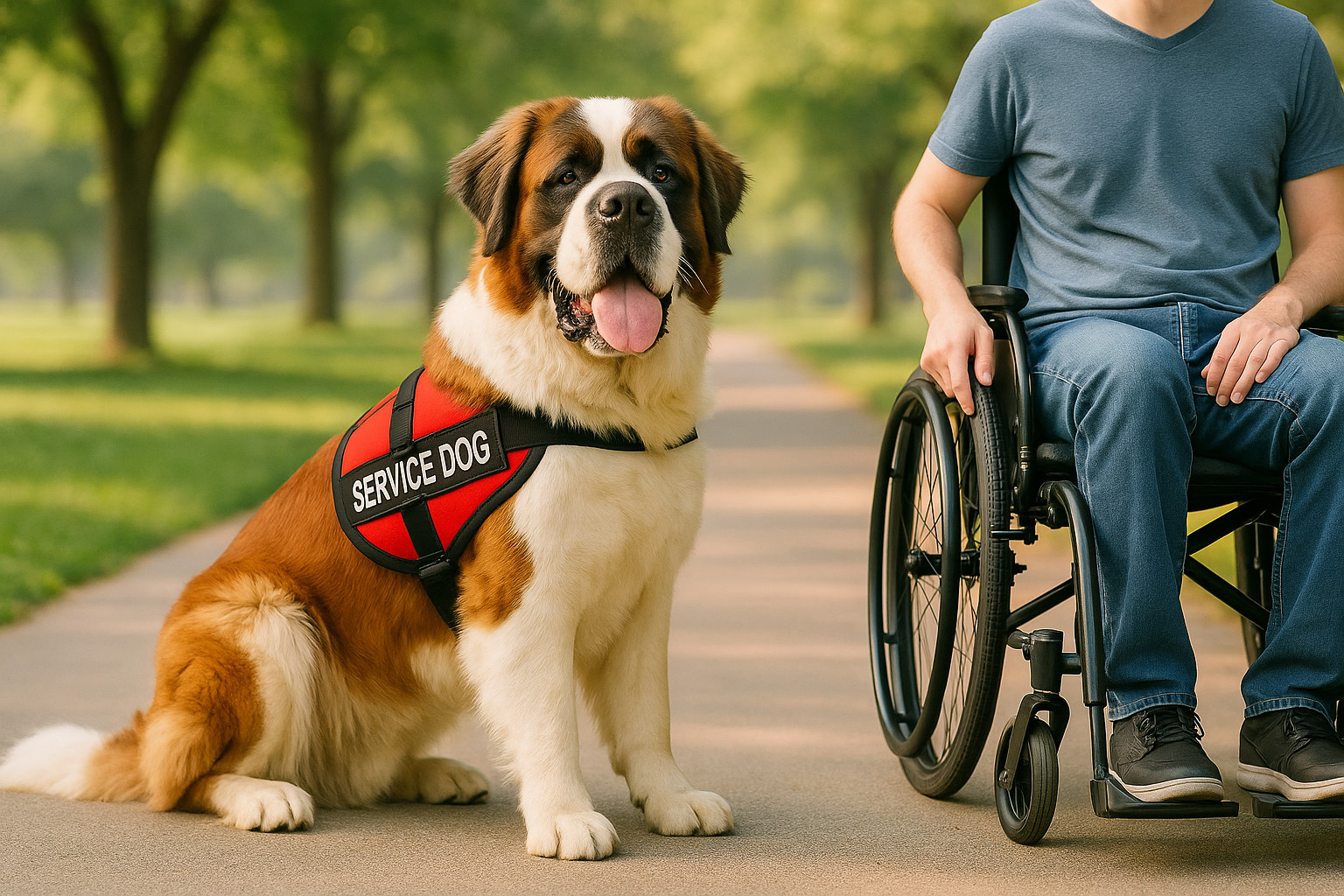
Saint Bernard as a Service Dog
Saint Bernards have long been celebrated for their remarkable rescue abilities in the Swiss Alps, and their husky form is…


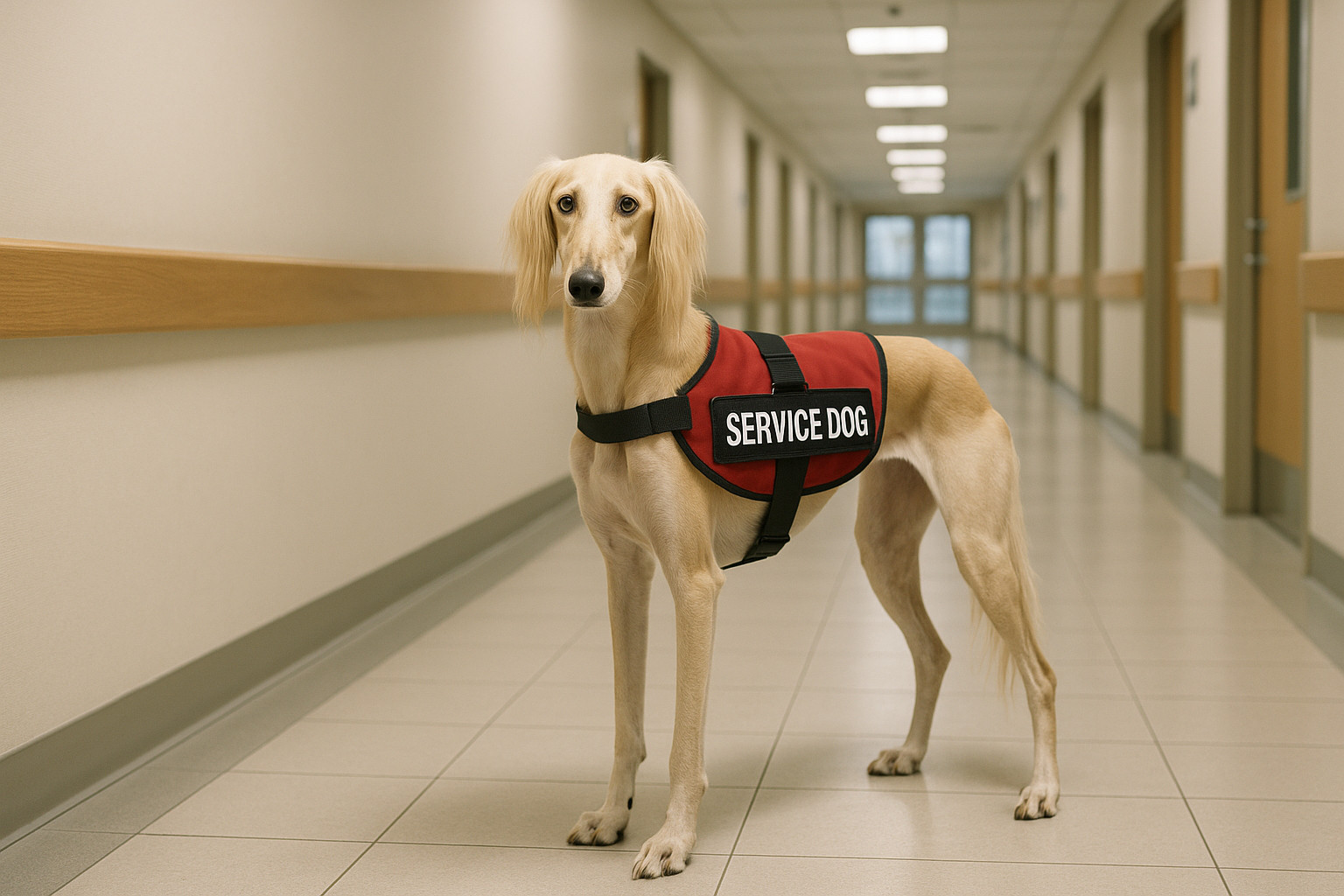
Saluki as a Service Dog
When considering breeds for service dog roles, the Saluki may not be the first breed that comes to mind. However,…


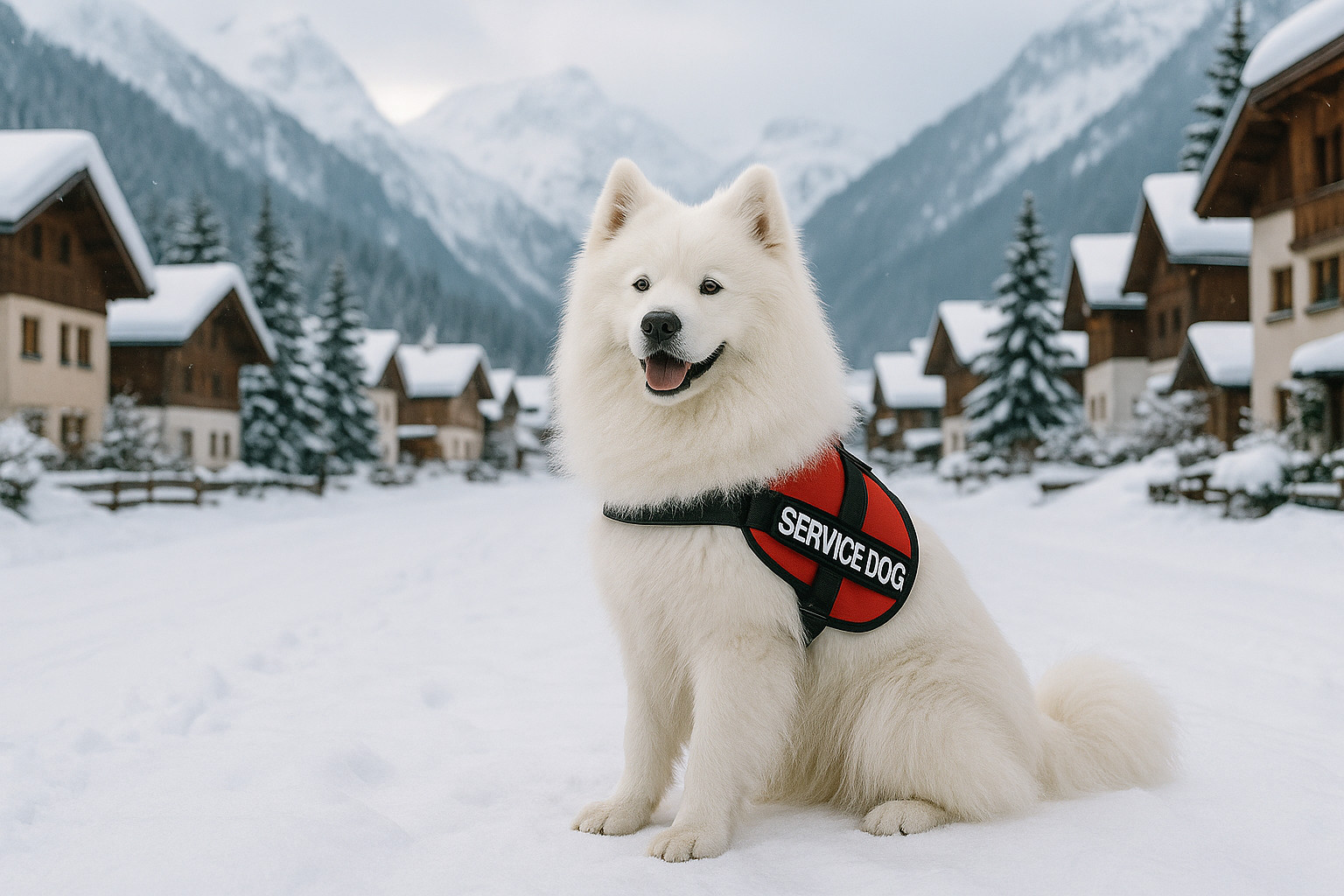
Samoyed as a Service Dog
Amidst the fluffy white coat and infectious smile, the Samoyed embodies more than just an adorable pet. This breed, named…


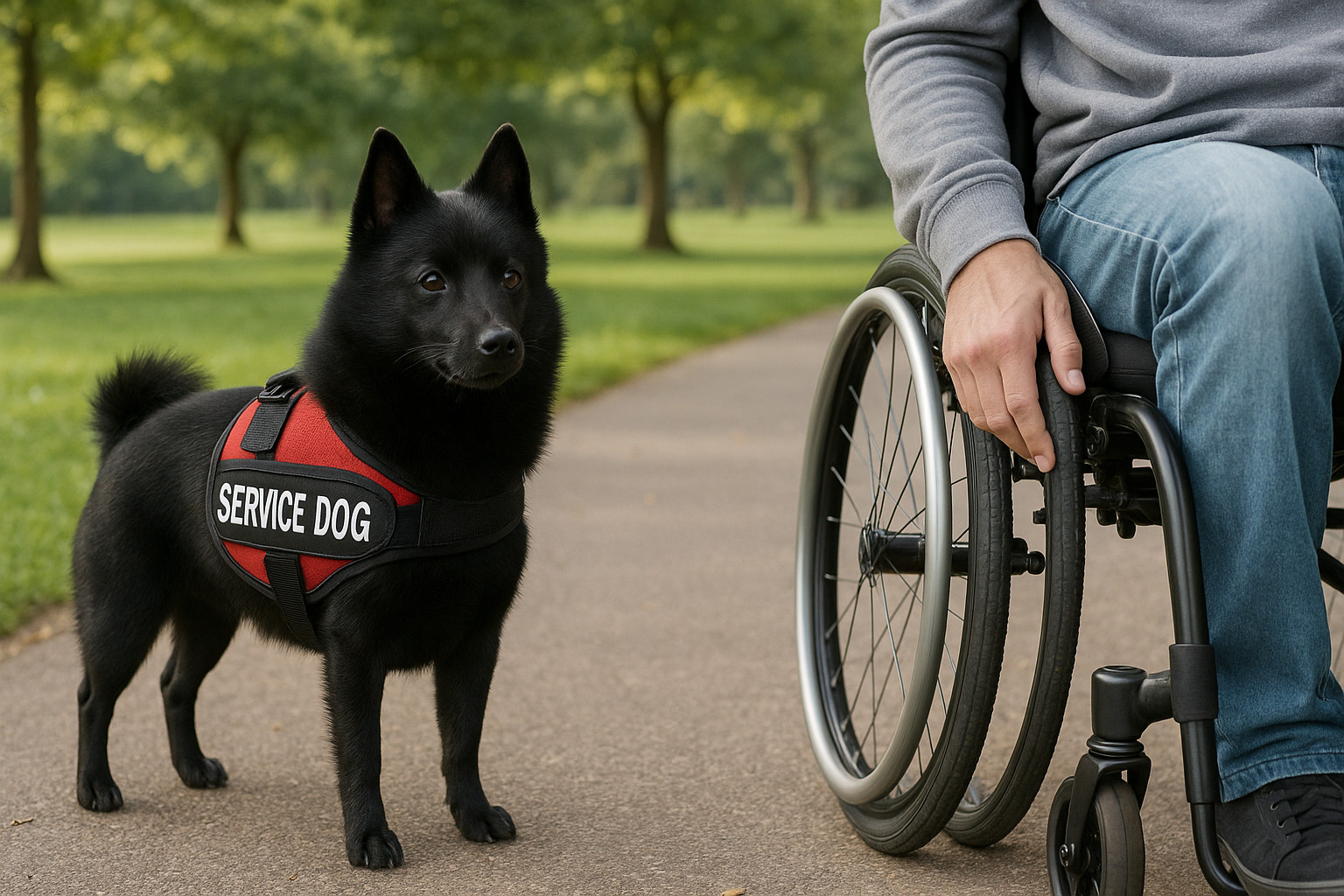
Schipperke as a Service Dog
The Schipperke is a unique and spirited breed that has caught the attention of dog enthusiasts and aspiring service dog…


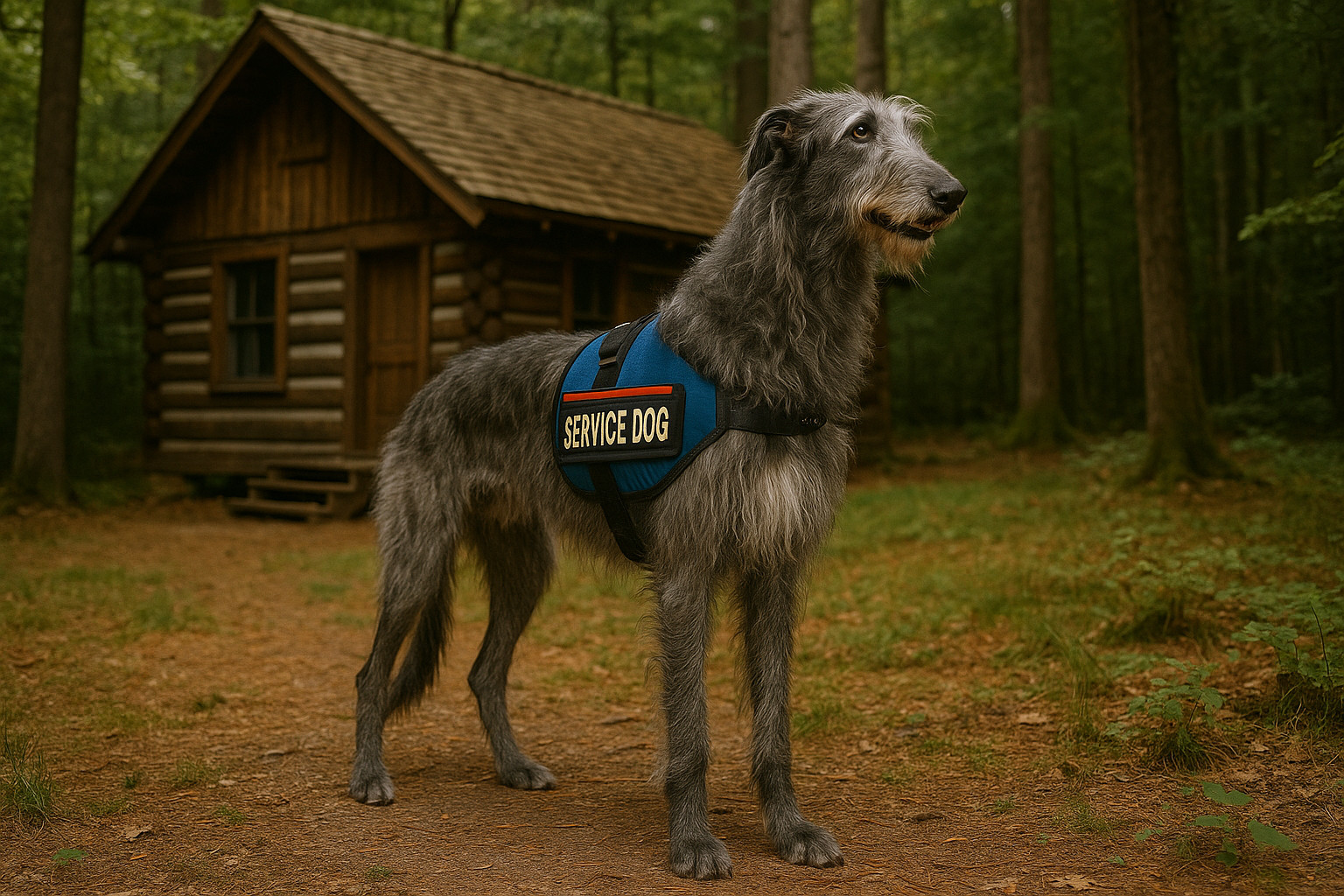
Scottish Deerhound as a Service Dog
The Scottish Deerhound, known for its regal appearance and gentle disposition, presents an intriguing option for service work. Originally bred…


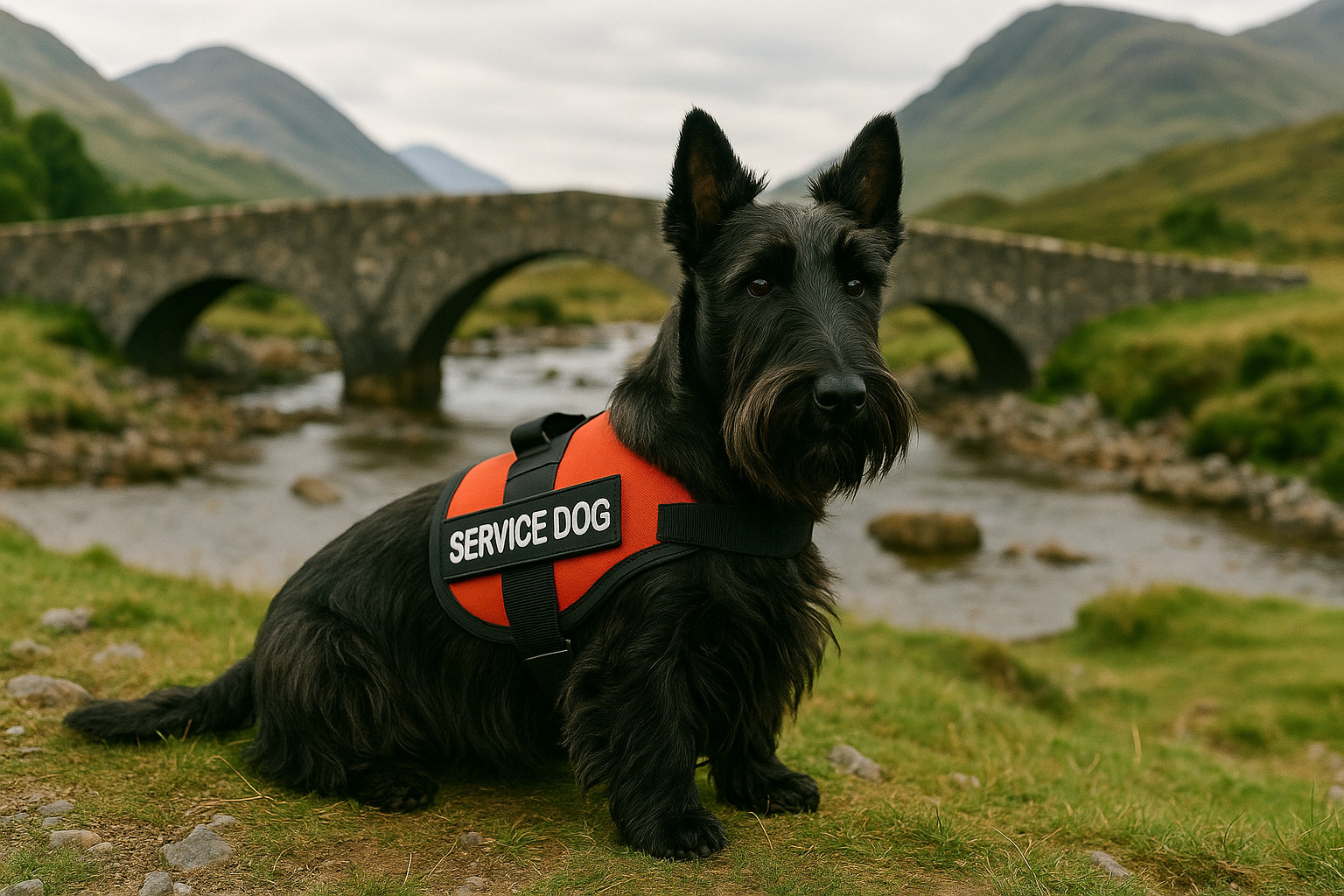
Scottish Terrier as a Service Dog
The Scottish Terrier, affectionately known as the "Scottie," is a small and spirited breed, originally bred for hunting vermin in…


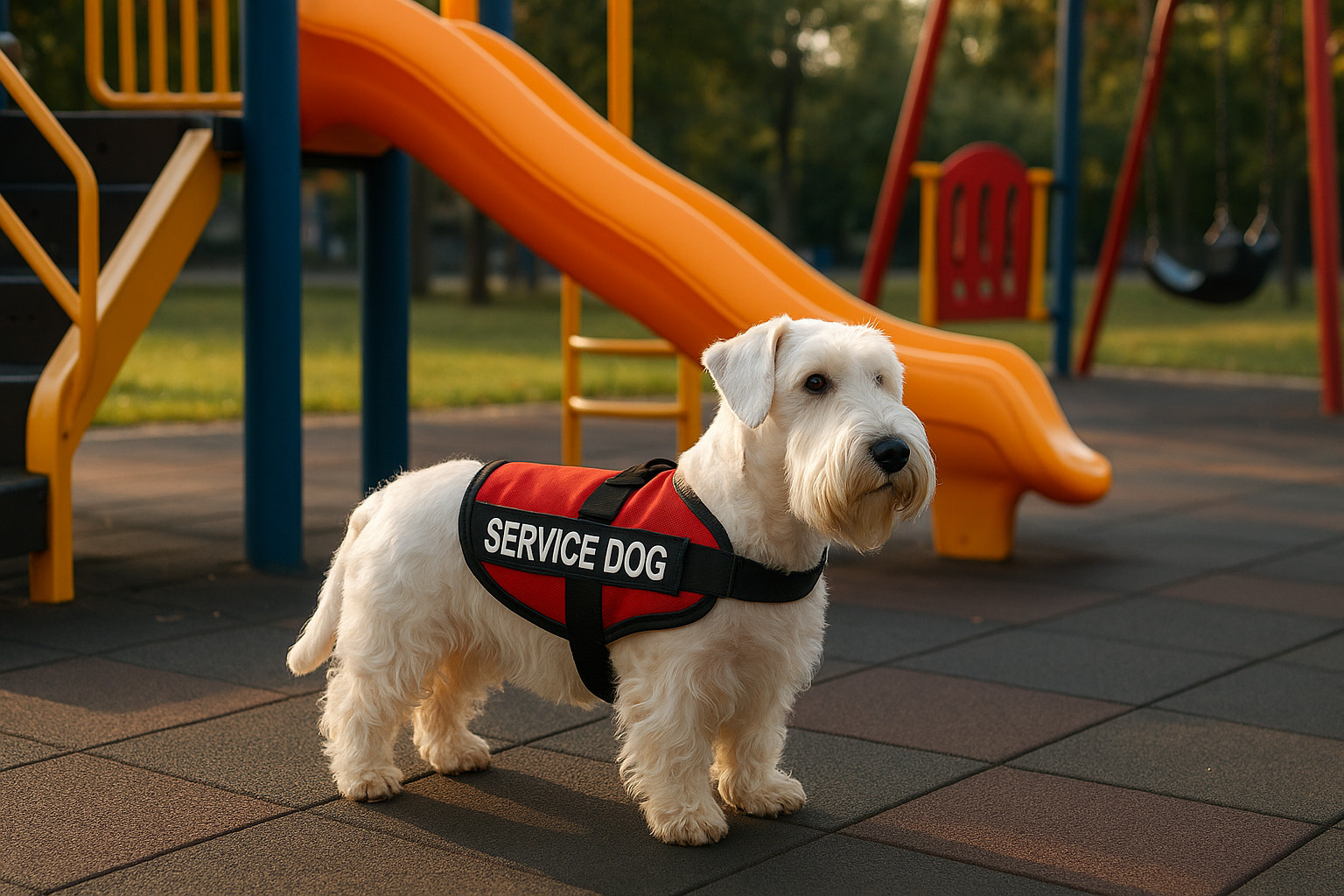
Sealyham Terrier as a Service Dog
The Sealyham Terrier, with its distinct charm and spirit, has increasingly caught the attention of potential service dog handlers. While…


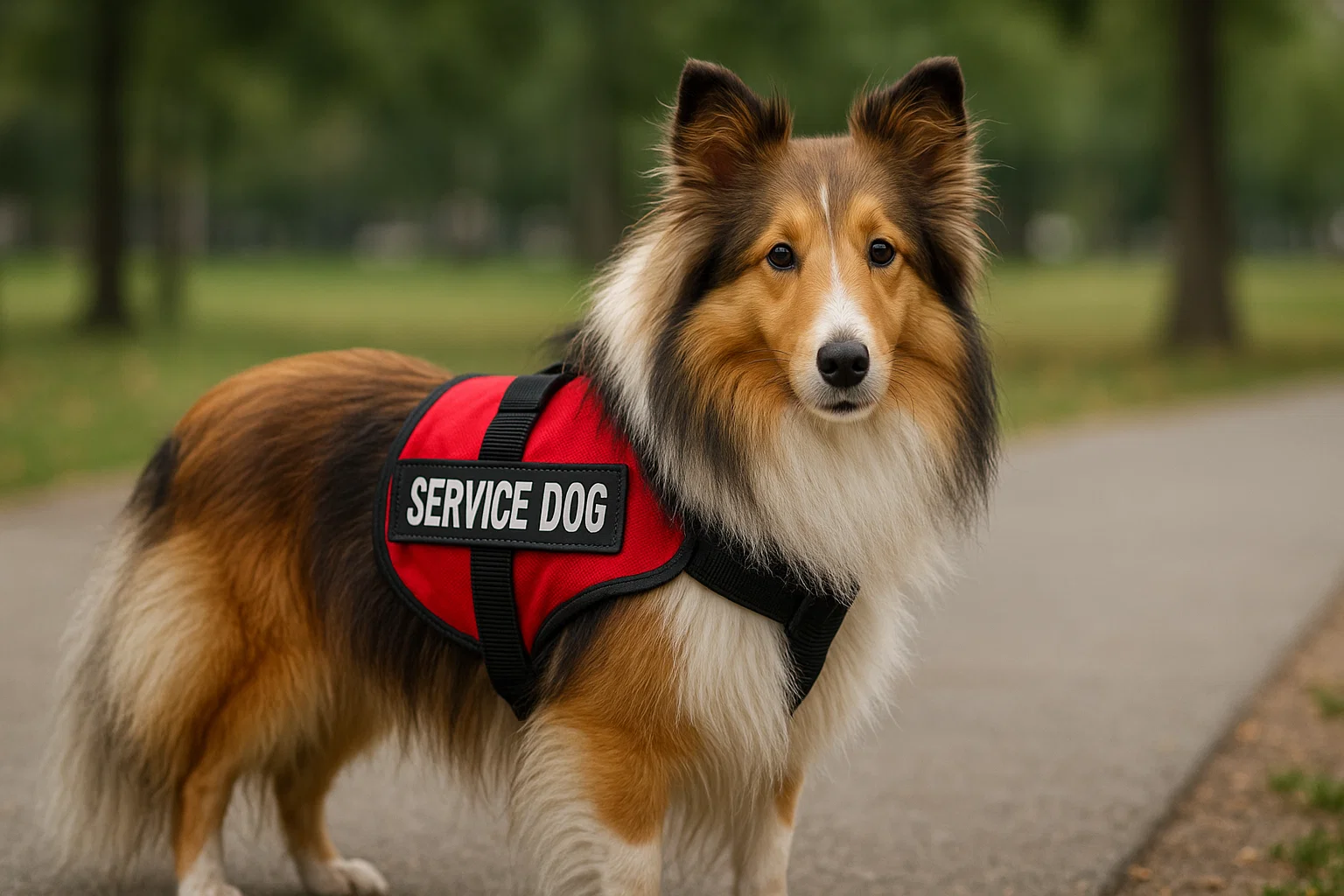
Shetland Sheepdog as a Service Dog
The Shetland Sheepdog, affectionately known as the "Sheltie," is renowned for its intelligence, agility, and responsiveness. These qualities make them…


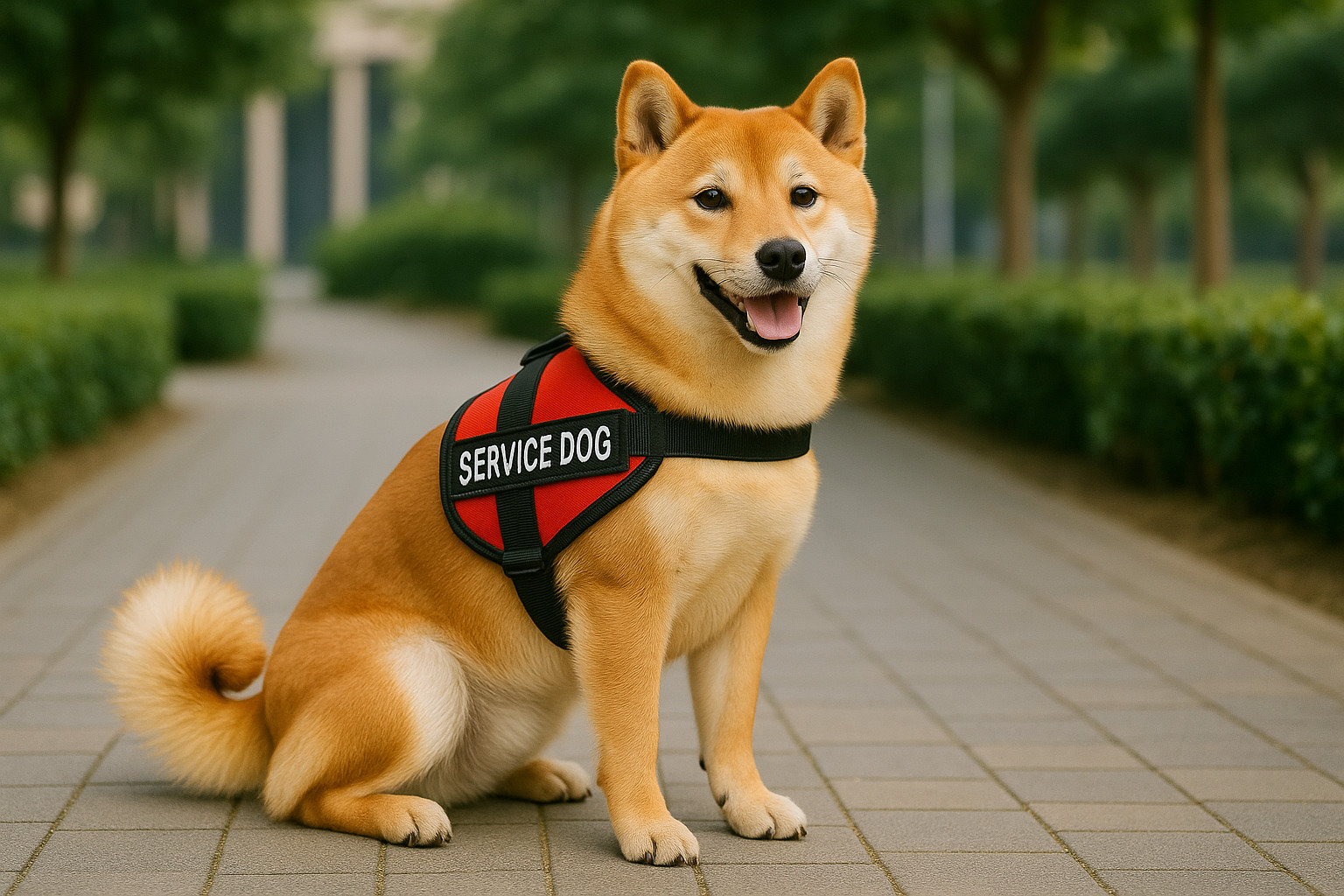
Shiba Inu as a Service Dog
Choosing the right breed for service work involves a deep dive into a dog's physical characteristics, temperament, and overall suitability…


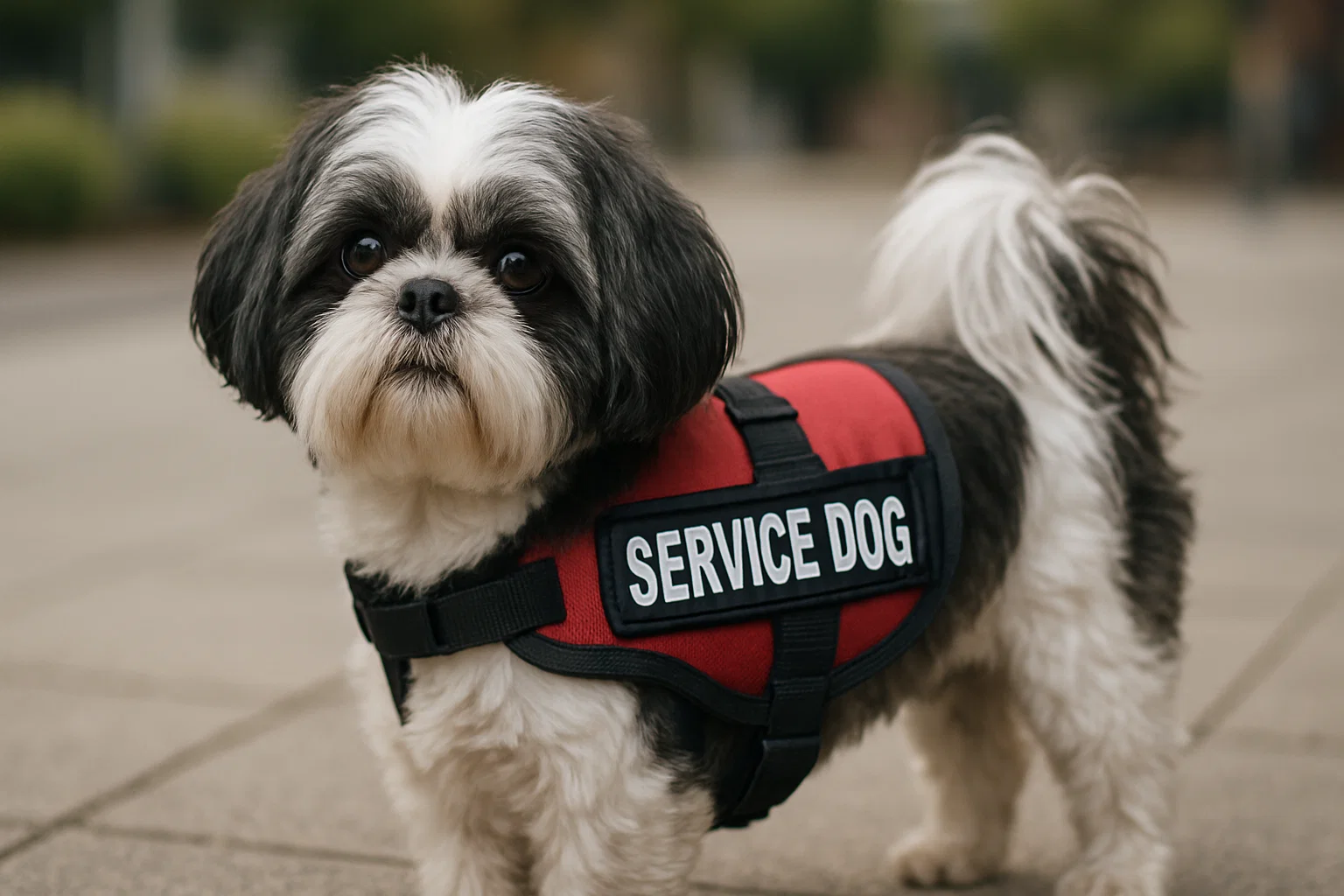
Shih Tzu as a Service Dog
Shih Tzus are known for their charming personality and distinctive appearance, making them a popular choice for companionship. But can…


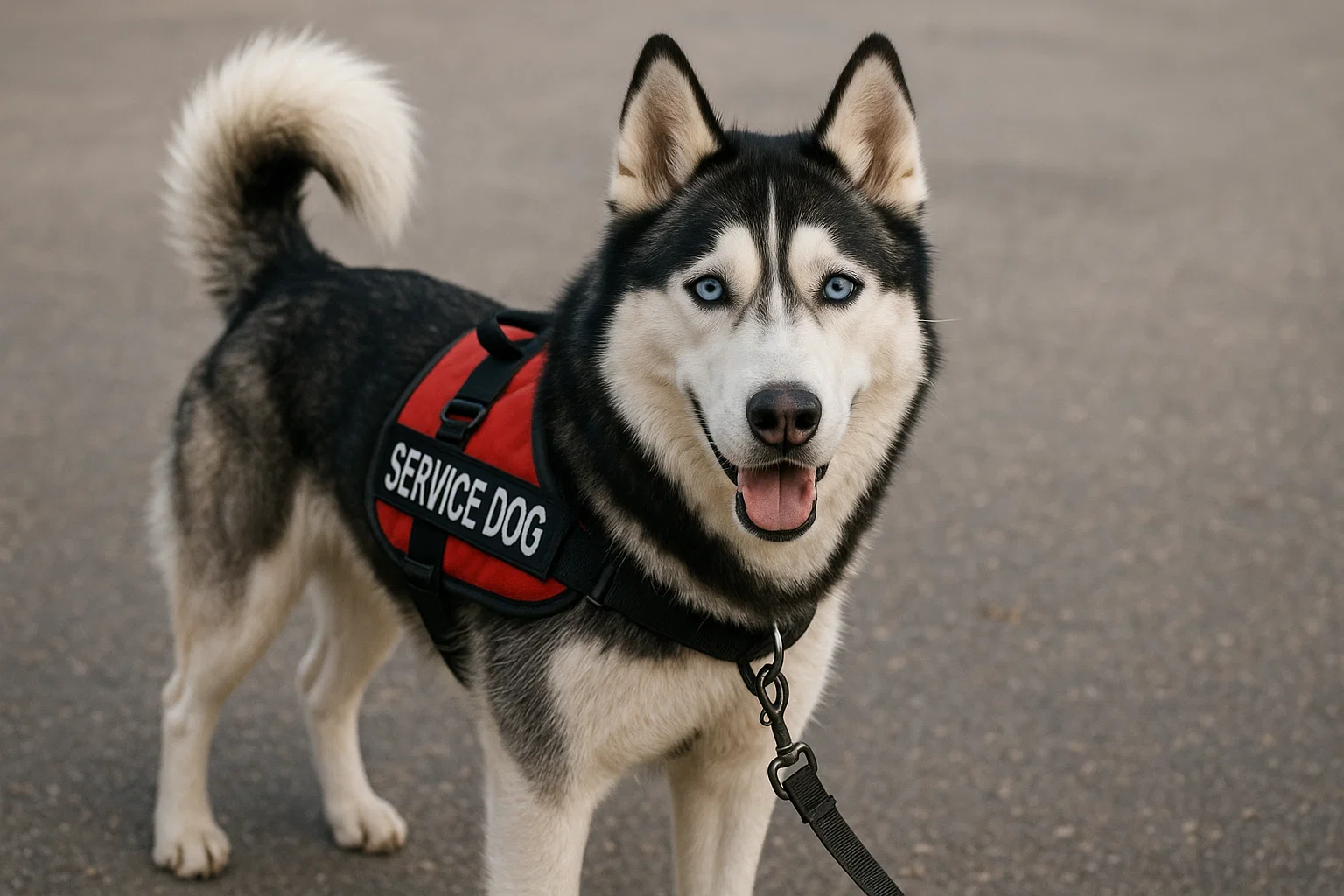
Siberian Husky as a Service Dog
Siberian Huskies are renowned for their striking appearance and incredible endurance, often associated with sled pulling in arctic conditions. As…


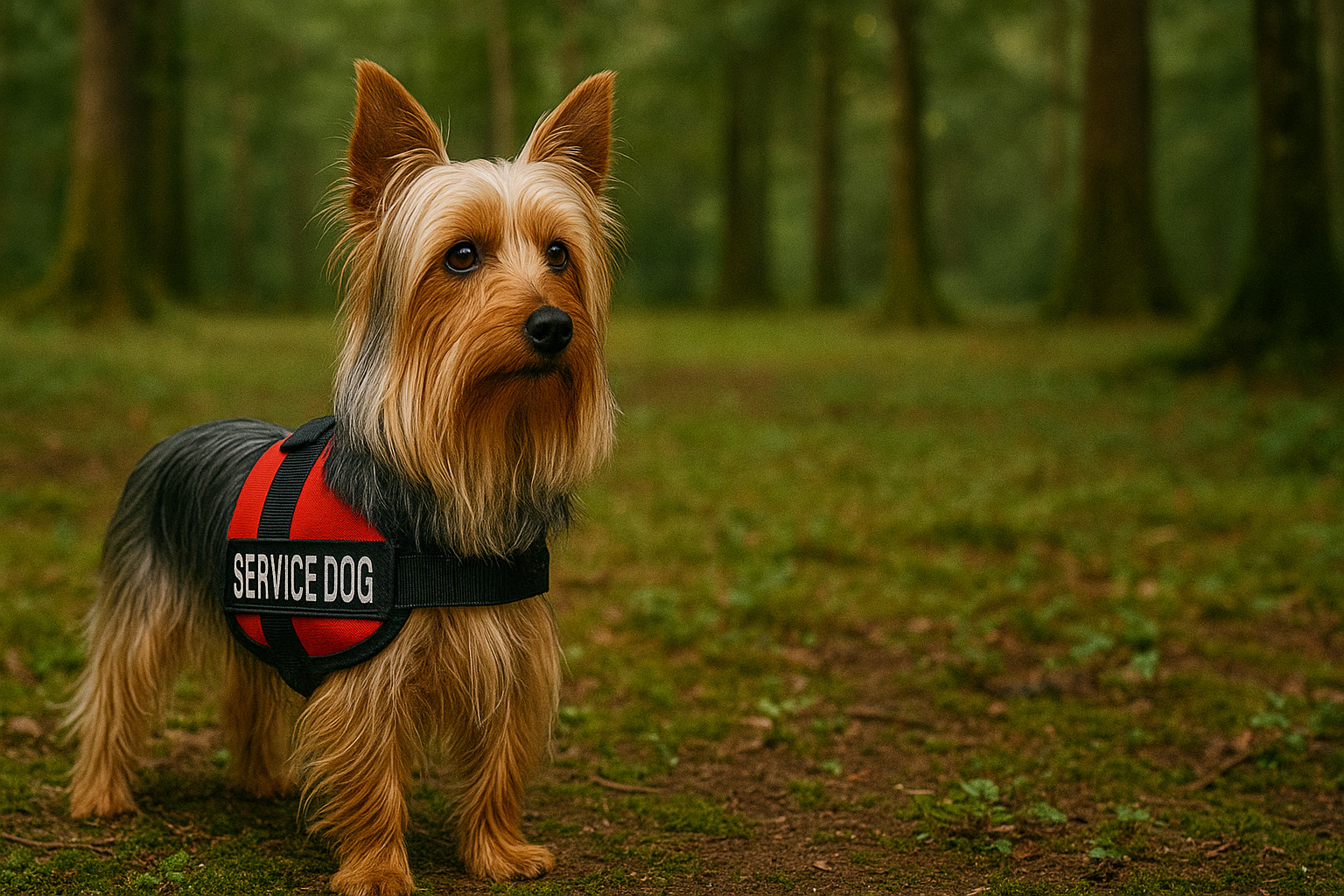
Silky Terrier as a Service Dog
Service dogs play a crucial role in assisting individuals with various disabilities by performing specific tasks and offering emotional comfort.…


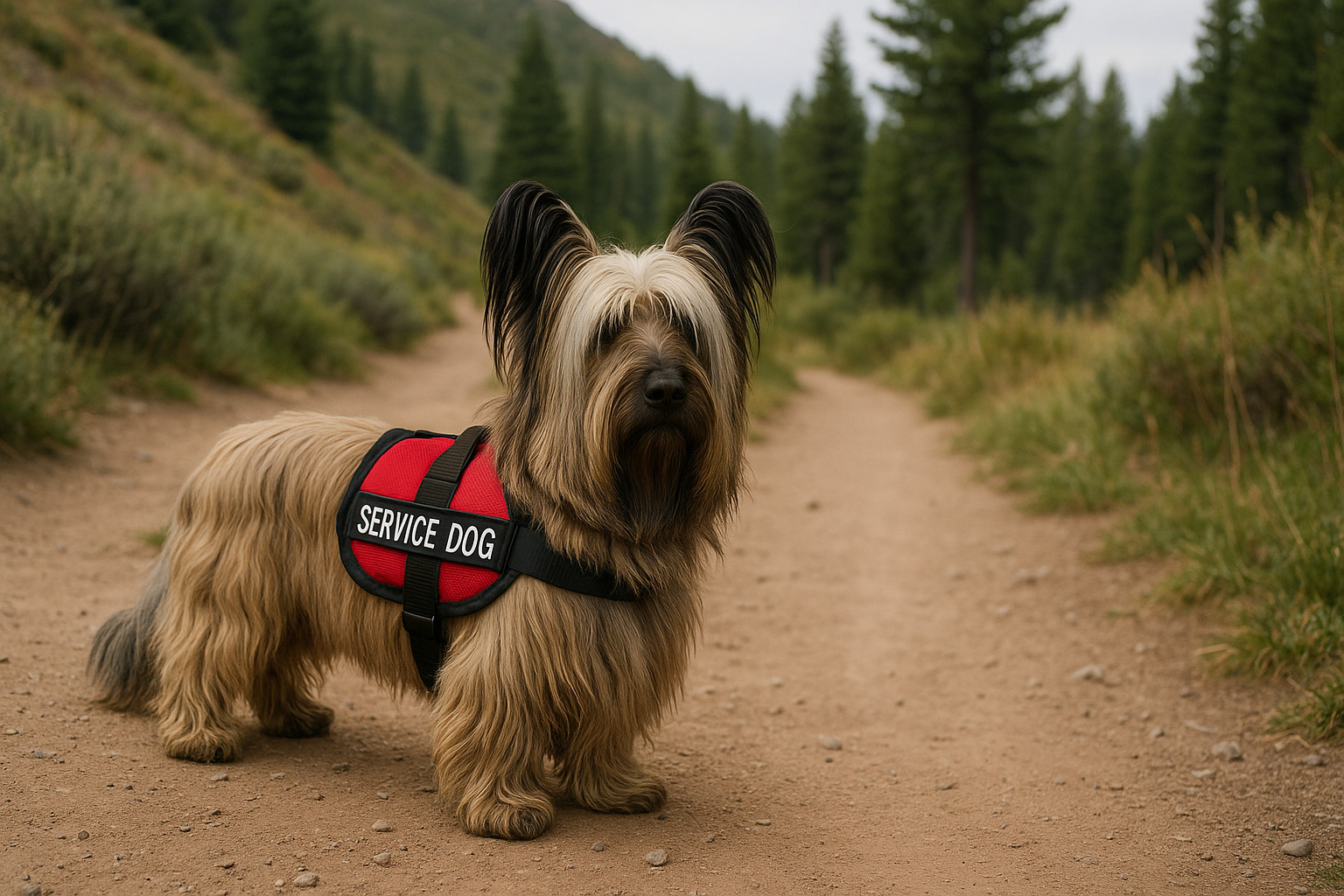
Skye Terrier as a Service Dog
Service dogs play an invaluable role in supporting individuals with disabilities, and selecting the right breed is crucial to meet…


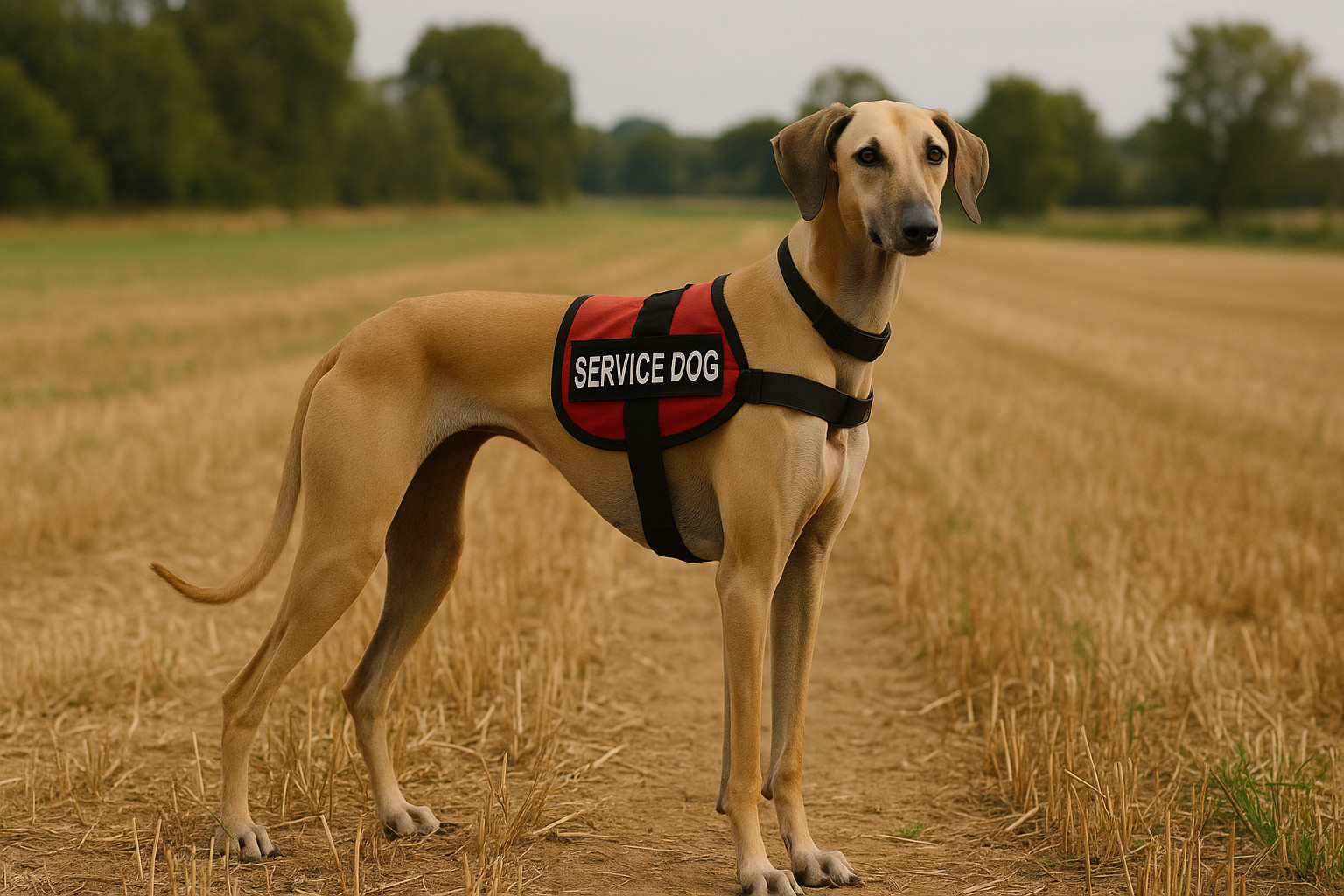
Sloughi as a Service Dog
Sloughis, often referred to as Arabian Greyhounds, are a unique breed known for their elegant appearance and independent nature. Originating…


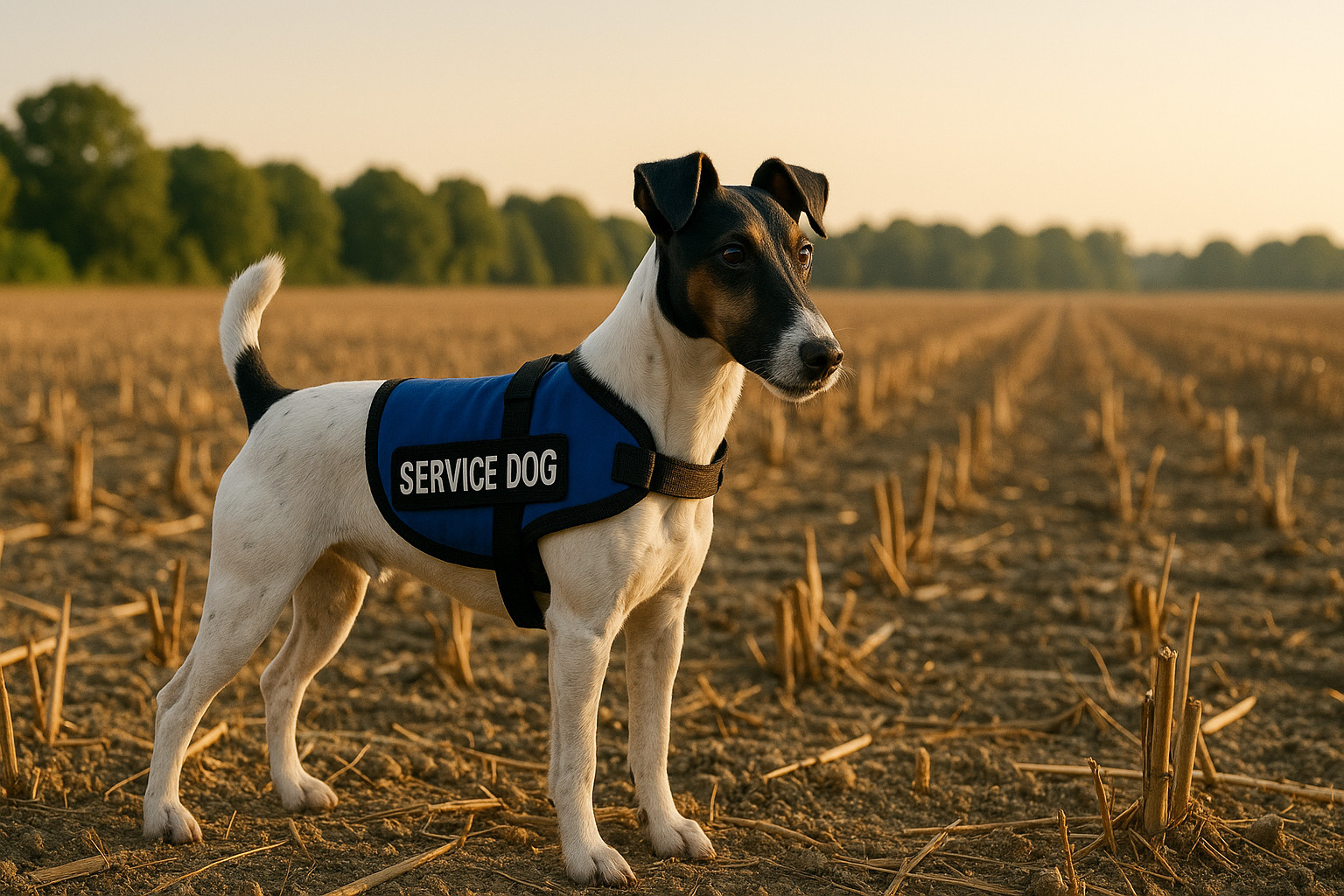
Smooth Fox Terrier as a Service Dog
Choosing the right breed for service work is a critical decision that requires understanding different dogs' qualities and characteristics. The…


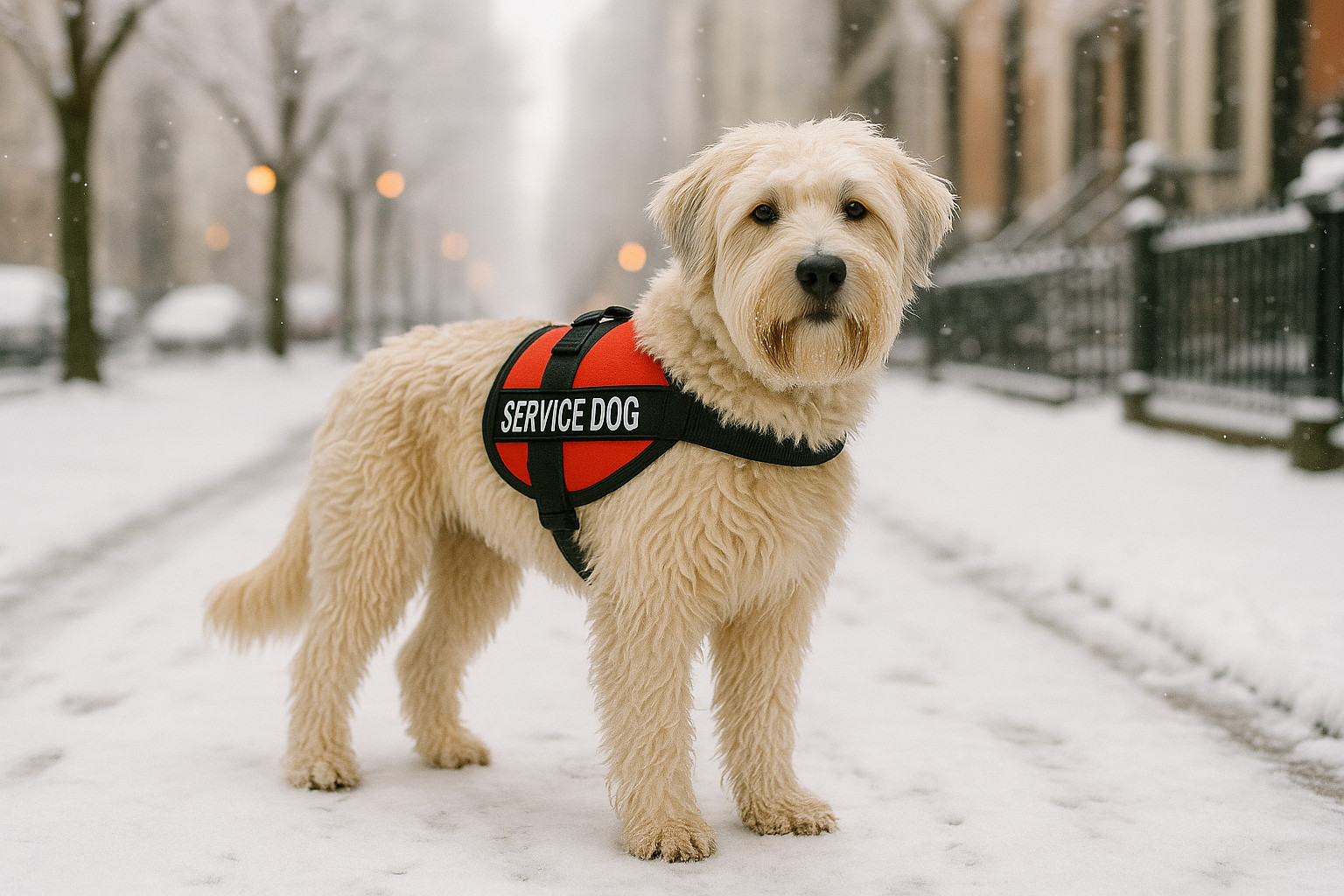
Soft Coated Wheaten Terrier as a Service Dog
The Soft Coated Wheaten Terrier, often termed the "Wheaten," is an energetic and friendly dog breed known for its versatile…


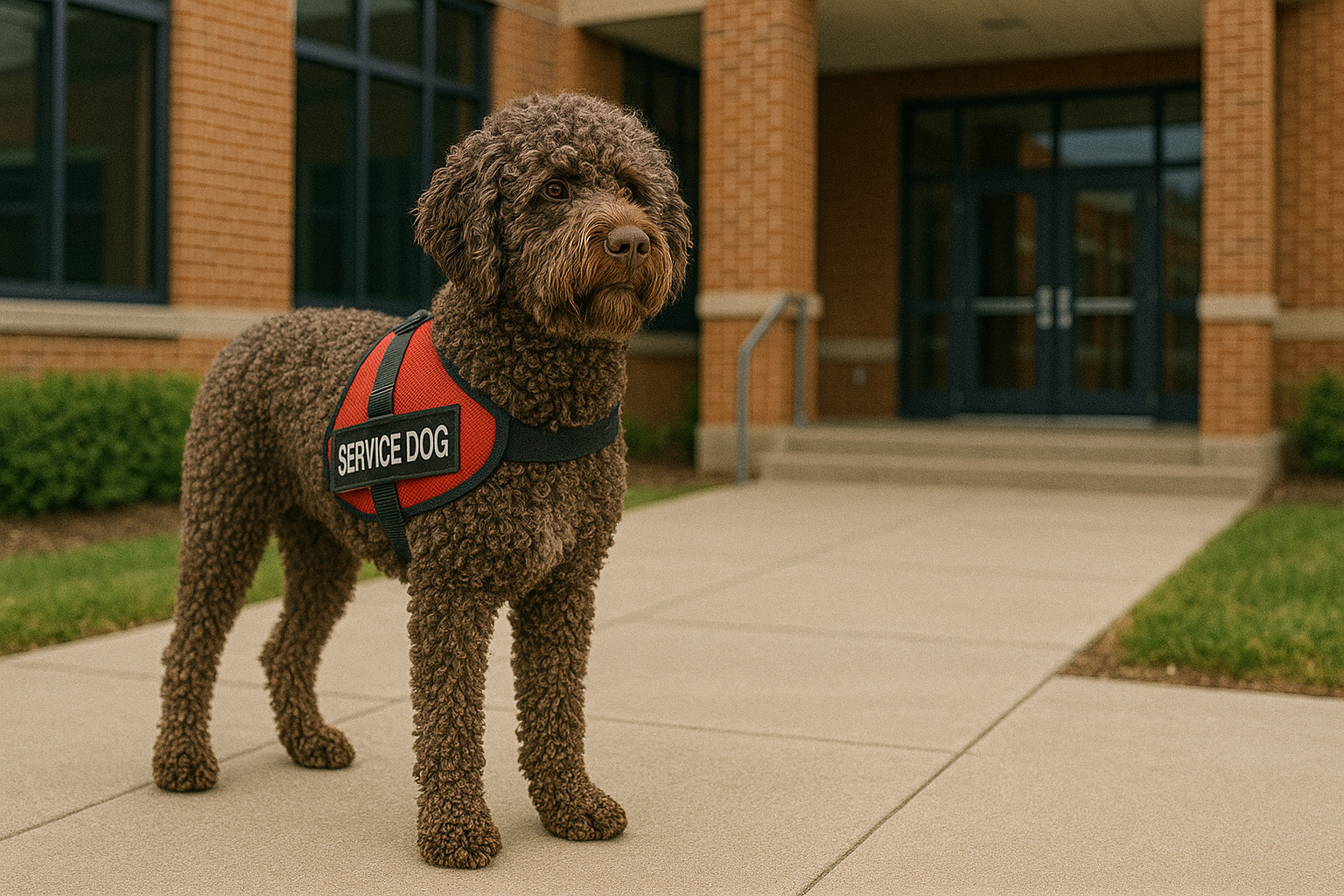
Spanish Water Dog as a Service Dog
The Spanish Water Dog (SWD) is a versatile and diligent breed, known for its adaptability and intelligence. Though traditionally recognized…


Identifying service dogs for the public
Service dogs are often identified by wearing a service dog vest or tag, letting the public know that it is a service dog; otherwise, their handlers will find themselves having to explain everywhere that they go that their dog is a service dog. Some businesses, such as airlines, prefer to see an identification card or vest that indicates that the dog is a service dog.
The Americans with Disabilities Act has a specific definition of a disability, and it states essentially that a disability is a physical or mental impairment that substantially limits one or more major life activities of such individual.
Partial List of Qualified Disabilities
A disability can take many forms, including bodily functions such as those of the neurological, respiratory, digestive, circulatory, and reproductive systems.
| Physical Problems
Asthma (or other breathing problems) |
Emotional Dog Qualifications
Anxiety |
Do you have a Disability?
If you are limited in your ability to perform major life tasks such as seeing, hearing, standing, walking, eating, sleeping, thinking, speaking, or other similar tasks, then you likely have a disability that would make you eligible to have a service dog under ADA laws. The service dog helps you in performing the particular tasks that you would otherwise be unable to perform without the service dog.
Your Disability and Public Knowledge
You are NOT allowed to be asked by an owner, manager, or other representative of a business what your disability is that allows you to have a service dog. That information is private and you do not have to disclose it to anyone if you are asked. The only information that may be asked is if it is a service dog, and what tasks the service dog is trained to perform for you. For example, if you have a mental illness that requires that you take medication and your service dog is trained to alert you when it is time to take your medication by tugging at your shirt, then you may explain the task your service dog performs, but you are not obligated to divulge the nature of your illness or disability.
Living With Your Service Dog
ADA law gives individuals the right to live with their service dog regardless of any building or residences with a no pet policy. A service dog is not considered a pet and is required for daily life functions and activities. Building managers or landlords may not refuse your service dog nor may they require you to submit any pet deposits or fees for your service dog.
Hotels fall under the same policy as well. They are not permitted to deny access to you or your service dog and may not charge any extra fees or collect any deposits.
Flying With Your Service Dog
ADA law also allows service dogs on airplanes when individuals with service dogs are traveling and they do not have to pay an extra fee to have their service dog by their side. Here are the guidelines that some of the airlines have with regards to flying with your service dog:
Not Registered Yet?
 Federal Law Prohibits Discrimination Of Breed,Size,Training Level Or Age Of Any Emotional Support Or Service Dog.
Emotional support dogs do not have to be trained to perform any specific task. Service dogs can be trained by their owners or in any other manner the owner desires to assist them with their disability.
People With Service Animals Must Be Allowed Access To All Public Accommodations. This right takes precedence over all state and local laws which might otherwise prohibit animals in those places such as Stores, Malls, Restaurants, Hotels/Resorts, Airlines,Cruises, Taxi cabs, Buses just to name a few.
The Americans with Disabilities Act, also known as the ADA, clearly states that proof of “certification” cannot be required by any facility or business for legal access if you meet the requirements for a person with a legal disability, and your dog meets the requirements of a service animal. We understand this is impossible to enforce the law. Be sure to have a proper id card to avoid the public conflicts.
While many business owners and establishments are ignorant of this law, ID Badges will have all of the necessary information should they require further explanation regarding your rights when accompanied by your Service Dog. Many over the years have reported that upon showing of a badge the inquiry about the dog ended.
Traveling with your Service Dog Customized Service Dog ID Badges can help make traveling on commercial airlines much, much easier. The Department of Transportation, also known as D.O.T., Service Animal Guidance for airlines states the following:
Carriers shall accept as evidence that an animal is a service animal identifiers such as identification cards, other written documentation, presence of harnesses,tags or the credible verbal assurances of a qualified individual with a disability using the animal.
Please note that the Department of Transportation lists identification cards at the top of their list and only verbal assurance is at the bottom. Many owners of service dogs have reported that the airlines have required some sort of identification even though by law they are not allowed to do this. Please understand that you are NOT required by law to carry one of these cards, however, they can dramatically speed up your process of getting through airport security, etc. without arguments or confrontations.
Many landlords and business owners request to see registration paperwork or other identification and even though such paperwork is not required under law, it is often proven easier to provide the requester with a registration document or ID rather than argue the point or attempt to educate the person/landlord. Identification & proper paperwork will without a doubt avoid landlord conflicts about the validity of your service animal.
Most Common Reasons To Register Service Dogs,Emotional Support Dogs and even Therapy Dogs can benefit people with disabilities associated with many diagnoses, including: Arthritis Ataxia (poor balance) Autism Blindness or Impaired Vision Deafness or Impaired Hearing Diabetes Cardio/Pulmonary Disease Cerebral Palsy Physical mobility Issues Multiple Sclerosis (M.S.) Psychiatric Disabilities Seizure Disorders (Epilepsy) Severe Allergy Alert Spina Bifida Spinal Cord/Head Trauma Stroke Anxiety Depression Bipolar disorder Mood disorder Fear/phobias Post-Traumatic Stress Disorder Suicidal Thoughts/Tendencies Adjustment Disorder Generalized anxiety disorder Social anxiety disorder Panic disorder Separation anxiety Dissociative Disorders Factitious Disorders Eating Disorders Impulse-Control Disorders Mental Disorders Due to a General Medical Condition Neurocognitive Disorders Mood Disorders Neurodevelopmental Disorders Personality Disorders Psychotic Disorders Sexual and Gender Identity Disorders Sleep Disorders Somatoform Disorders Substance Related Disorders This is just a partial list of disabilities that qualify under ADA.
Not Registered Yet?
-
Public Access Kits
$149.00 Learn more This product has multiple variants. The options may be chosen on the product page -
Quick Ship Premium Vests
$48.00 – $82.00 Learn more This product has multiple variants. The options may be chosen on the product page -
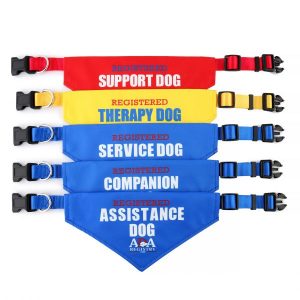
Service Dog Bandana
$39.95 Learn more This product has multiple variants. The options may be chosen on the product page
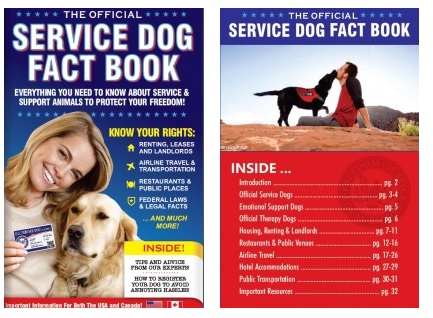
Custom ID Cards
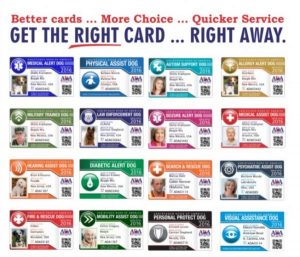
Custom ID Cards
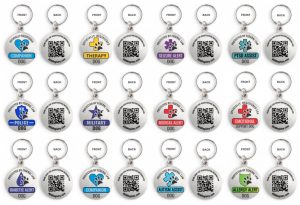
Custom Service Dog Tags
Official Dog Vests

Smart Vests
Official Public Access Kits
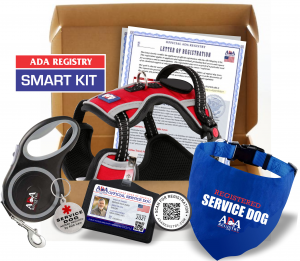
Complete Kits
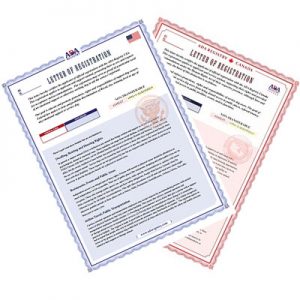
USA & CANADA Letters
High Quality Bandanas
Service Dog Tags
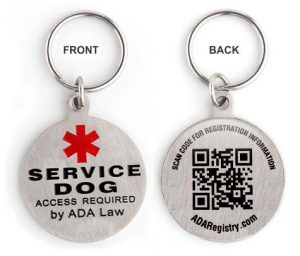
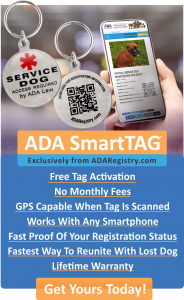
Smart Tags
ESA TAGS