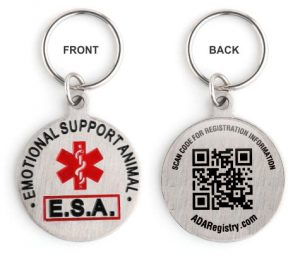
Most Popular Reasons To Register Your Dog
Not Registered Yet?,,
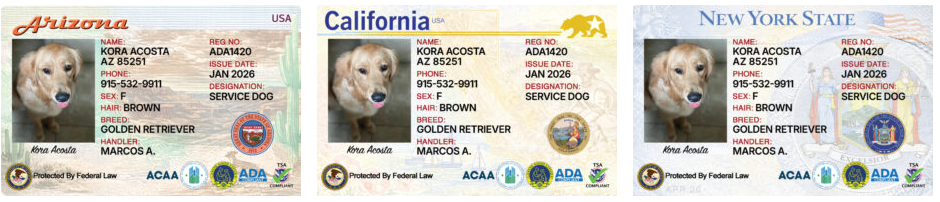
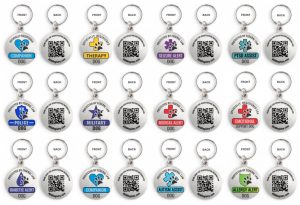
Example Cards Available In USA And Canada
Understanding the Reasons for Emotional Support Dogs
There are many reasons for emotional support dogs, and each relates to a mental or emotional health condition that significantly affects daily life. ESAs provide comfort, stability, and companionship, helping reduce symptoms and improve well-being.
Below are the most common conditions for which an emotional support dog is recommended.
Most Common Reasons for Emotional Support Dog Needs
People may qualify for an emotional support dog due to a range of psychological or emotional difficulties, including:
Anxiety-Related Conditions
- Stress-related disorders
- Generalized anxiety disorder
- Social anxiety disorder
- Panic disorder
- Phobias
Trauma or Stressor-Related Disorders
- Adjustment disorders
- Post-traumatic stress disorder (PTSD)
- Separation anxiety
Mood and Behavioral Disorders
- Major depressive disorder
- Mood disorders
- Impulse-control disorders
Cognitive and Neurodevelopmental Conditions
- Neurocognitive disorders
- Neurodevelopmental disorders
Personality or Dissociative Disorders
- Personality disorders
- Dissociative disorders
- Factitious disorders
Somatic or Sleep-Related Conditions
- Somatoform disorders
- Sleep disorders
Other Mental and Emotional Conditions
- Eating disorders
- Substance-related disorders (when part of structured treatment)
- Psychotic disorders
- Sexual and gender identity disorders
- Suicidal thoughts (as part of a clinical care plan)
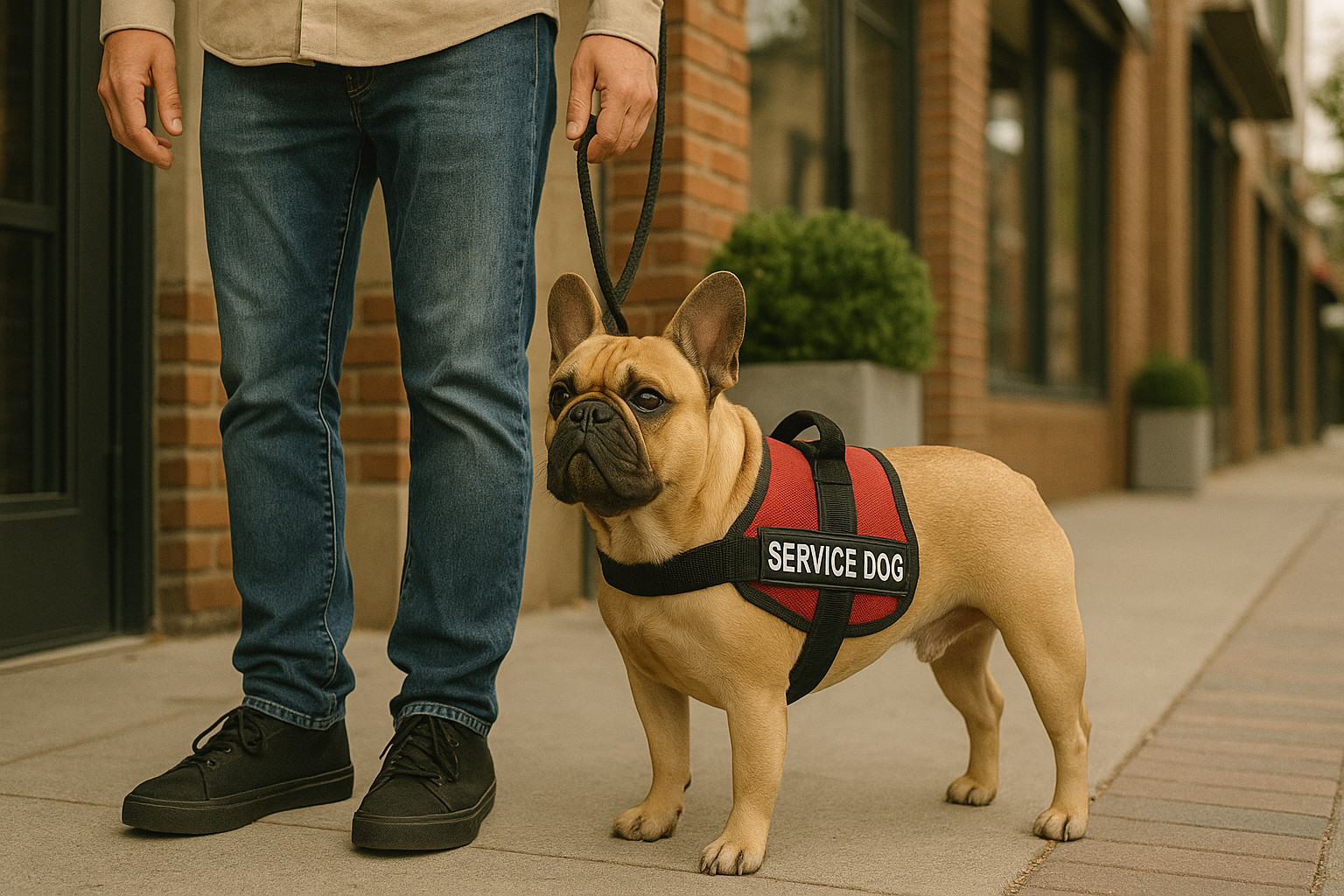
Emotional support dogs are not task-trained like service dogs; instead, they help by providing companionship, grounding, and emotional comfort.
Most Common Reasons for Service Dog Needs
While ESAs offer emotional comfort, service dogs help with disabilities through trained, task-based work. The list below outlines the disabilities and medical conditions most commonly associated with the need for a trained service dog.
Physical Disabilities and Mobility Needs
- Arthritis
- Ataxia (poor balance)
- Physical mobility impairments
- Pain-related conditions
- Spinal cord injury or head trauma
- Spina bifida
- Stroke recovery
Neurological and Developmental Conditions
- Autism
- Cerebral palsy
- Seizure disorders
- Neurodevelopmental disabilities
Sensory Disabilities
- Blindness or low vision
- Deafness or hearing impairment
Medical Conditions Requiring Alerts
- Diabetes (blood sugar alerts)
- Medical alert needs
- Severe allergy alerts
- Cardio/pulmonary diseases
- Cancer
Psychiatric Disabilities
- PTSD
- Severe anxiety or panic disorders
- Other psychiatric conditions requiring task-related support
Progressive or Chronic Illnesses
- Multiple sclerosis (MS)
- Chronic mobility or balance challenges
Service dogs must perform specific tasks directly related to their handler’s disability, such as retrieving items, interrupting symptoms, providing stability, alerting to medical changes, or performing emergency tasks.
Key Differences Between Emotional Support Dogs and Service Dogs
| Emotional Support Dogs | Service Dogs |
|---|---|
| Provide comfort and emotional stability | Perform trained tasks |
| Not protected under ADA for public access | Protected under ADA with full public access |
| Support mental or emotional disabilities | Support physical, medical, neurological, or psychiatric disabilities |
| Do not require special training | Require extensive, specialized task training |
Both improve quality of life, but service dogs perform disability-mitigating tasks, while ESAs offer therapeutic emotional support.
Not Registered Yet?,,
Example Cards Available In USA And Canada
Conclusion
The reasons for emotional support dogs are rooted in mental and emotional health needs such as anxiety, PTSD, mood disorders, and other psychological challenges. In contrast, service dogs assist with a wide range of physical, sensory, neurological, psychiatric, and medical disabilities through trained tasks.
Both serve essential roles in improving independence, safety, and well-being for those who rely on them.


-
Public Access Kits
$149.00 Learn more This product has multiple variants. The options may be chosen on the product page -
Quick Ship Premium Vests
$48.00 – $82.00 Learn more This product has multiple variants. The options may be chosen on the product page -
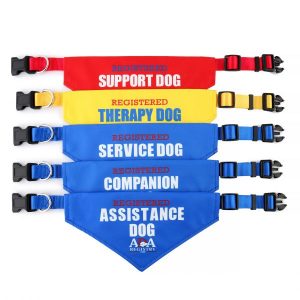
Service Dog Bandana
$39.95 Learn more This product has multiple variants. The options may be chosen on the product page
Custom ID Cards

Custom ID Cards
All States
Canada Cards

Custom Service Dog Tags
Official Dog Vests

Smart Vests
Official Public Access Kits
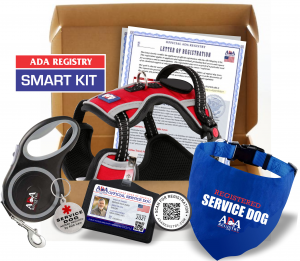
Complete Kits
USA & CANADA Letters

High Quality Bandanas
Service Dog Tags
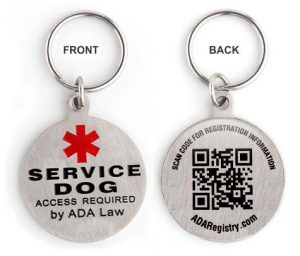
Smart Tags
ESA TAGS